
This story was first published in digitalhealth.net

Survey highlights worrying isolation of dementia patients
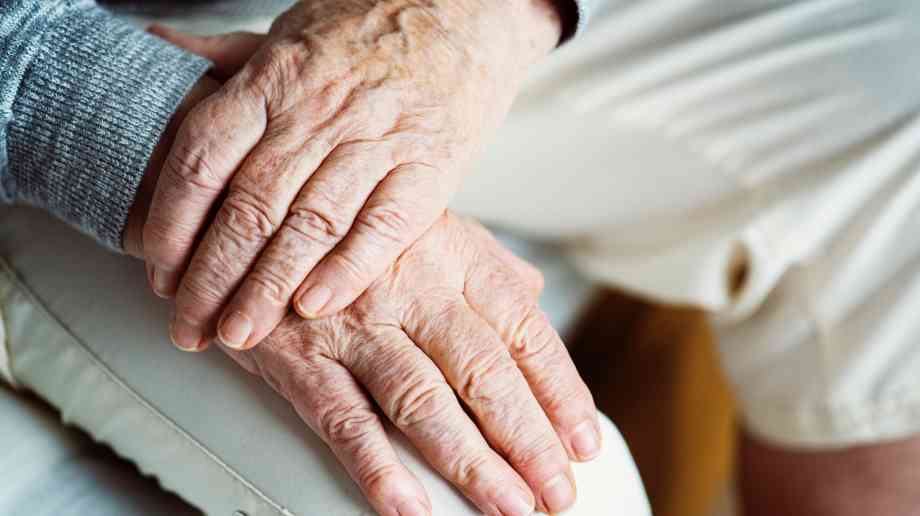
Research has shown that eight in 10 people living alone with dementia have seen no family or friends since March, while tens of thousands more regularly spending up to a week without having a single in-depth conversation.
The largest ever survey by the Alzheimer’s Society reveals that about 56 per cent of those with dementia, roughly 510,000 people, and 80 per cent (96,000) of those who live alone with the condition have been completely isolated since the coronavirus lockdown began.
As a result, the survey found that a third of those living with the condition now feel like 'giving up'. More than a third of people living with dementia who answered the survey said they had lost the confidence to leave their homes since the pandemic outbreak, despite the loosening of some lockdown rules.
Kate Lee, chief executive at the Alzheimer’s Society, said: “As lockdown begins to lift and the true extent of its knock-on effect to the health and well-being of people with dementia becomes evident, we’ve heard from people up and down the UK who are scared, lonely and struggling to cope.
“Thousands of people with dementia, worst hit by the virus, have tragically died. Additionally, the dreadful deterioration of their mental health risks scarring thousands more in the long term."
There are currently about 850,000 people with dementia in the UK, about 120,000 of whom live alone. The number of those living with dementia is projected to rise to 1.6 million by 2040.
Caroline Abrahams, Age UK’s charity director, said: “This new research confirms our worst fears about the catastrophic psychological impact of lockdown on many older people living with dementia – huge collateral damage from this terrible pandemic. This survey is also a reminder of the importance of ensuring those living alone with dementia in their own homes are not forgotten to.”
Latest News

16/02/2024 - 12:56
Hammersmith and Fulham Council has created a new alliance intended to clean dirty air and improve residents' health.

16/02/2024 - 10:44
Two million more GP appointments a month are being delivered for patients compared to the same month before the pandemic as part of the NHS primary care access recovery plan according to new NHS data.

15/02/2024 - 10:26
The Welsh Government has provided innovation funding of £380,000 to support two projects utilising technology in domiciliary care.

15/02/2024 - 10:13
The new Scottish health secretary has met with frontline staff at Queen Elizabeth University Hospital in Glasgow.

14/02/2024 - 10:27
The North East London NHS Foundation Trust (NELFT) has appointed three new Executive Directors to the Trust Board.
Product Features

UK Building Regulations highlight toxic gas and smoke from layers of paint built up over multiple redecorations as a major cause of permanent ill health or death in a building fire.
Their concern rose with discovery the flame retardant paints most widely used paint along escape routes have been ones which to this day counter-productively use emission of heavy toxic gas to smother flames which rapidly spread along walls if layers of paint delaminate in a fire.
Supplier Profiles

Northwich’s Victoria Infirmary (VIN) Community Diagnostic Centre (CDC) has enabled more patients

Adveco, the commercial hot water specialist, announces the launch of live metering of domestic ho
Latest Features

Sarah Greenslade, public affairs and communications officer at the British Parking Association looks at some of the problems and innovations in healthcare parking

It’s easy to assume that the comms team is there to handle press enquiries and the occasional social media storm – but the reality is that strategic communications can make a measurable impact across the entire organisation, from operational to financial, when done properly


