
This story was first published in digitalhealth.net

Ambitious strategy to tackle air pollution
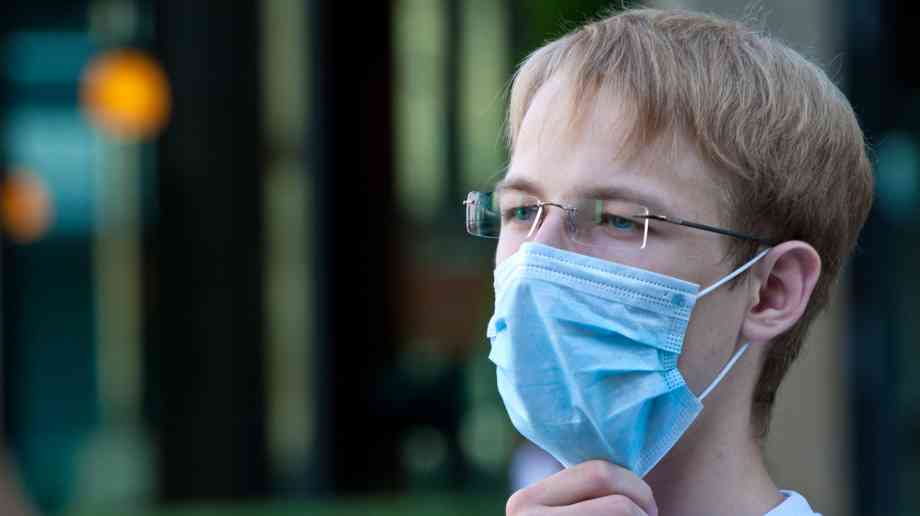
Environment Secretary Michael Gove has launched an ambitious, long-term strategy to tackle air pollution and reduce particulates across much of the country by 2030.
The new Clean Air Strategy sets out plans to cut the costs of air pollution to society by £1.7 billion every year by 2020, rising to £5.3 billion every year from 2030. This follows a commitment made by the government to halve the number of people living in areas breaching WHO guidelines on particulate matter by 2025.
Currently, air pollution is one of the biggest threats to public health in the UK, behind only cancer, obesity and heart disease. In the UK, more than 40 cities and towns were at, or have exceeded, the World Health Organization limit.
Therefore, to combat this, the strategy includes plans to ensure that only the cleanest stoves are available for sale by 2022, introduce new legislation to prohibit the sale of the most polluting fuels and explore how local authorities can gain further powers to increase the rate of upgrades of inefficient and polluting heating appliances.
Gove said: “The evidence is clear. While air quality has improved significantly in recent years, air pollution continues to shorten lives, harm our children and reduce quality of life. We must take strong, urgent action. Our ambitious strategy includes new targets, new powers for local government and confirms that our forthcoming Environment Bill will include new primary legislation on air quality.
“While air pollution may conjure images of traffic jams and exhaust fumes, transport is only one part of the story and the new strategy sets out the important role all of us - across all sectors of work and society - can play in reducing emissions and cleaning up our air to protect our health.”
Health Secretary Matt Hancock said: “Air pollution is a health issue: it harms the health of the nation. For each of us, our health is unavoidably shaped by the environment we live in. Environmental factors determine around 30 per cent of our healthy life expectancy. Air pollution poses the single greatest environmental threat to human health.
“Breathing dirty air is associated with a host of health problems, from asthma to cardiovascular disease and lung cancer, and all too often it is the most vulnerable – children, older people and those from poorer backgrounds – who are hit hardest. In short: clean air helps you live longer. No-one can tackle air pollution alone so it is a duty of government to act for us all. We are determined to clean up our environment and are taking the lead with this Clean Air Strategy. We have made strides forward over the past few years and the action we are taking today will save lives and improve the health of the nation – both for those of us here today and for generations to come.”
Latest News

16/02/2024 - 12:56
Hammersmith and Fulham Council has created a new alliance intended to clean dirty air and improve residents' health.

16/02/2024 - 10:44
Two million more GP appointments a month are being delivered for patients compared to the same month before the pandemic as part of the NHS primary care access recovery plan according to new NHS data.

15/02/2024 - 10:26
The Welsh Government has provided innovation funding of £380,000 to support two projects utilising technology in domiciliary care.

15/02/2024 - 10:13
The new Scottish health secretary has met with frontline staff at Queen Elizabeth University Hospital in Glasgow.

14/02/2024 - 10:27
The North East London NHS Foundation Trust (NELFT) has appointed three new Executive Directors to the Trust Board.
Product Features

UK Building Regulations highlight toxic gas and smoke from layers of paint built up over multiple redecorations as a major cause of permanent ill health or death in a building fire.
Their concern rose with discovery the flame retardant paints most widely used paint along escape routes have been ones which to this day counter-productively use emission of heavy toxic gas to smother flames which rapidly spread along walls if layers of paint delaminate in a fire.
Supplier Profiles

Northwich’s Victoria Infirmary (VIN) Community Diagnostic Centre (CDC) has enabled more patients

Adveco, the commercial hot water specialist, announces the launch of live metering of domestic ho
Latest Features

Sarah Greenslade, public affairs and communications officer at the British Parking Association looks at some of the problems and innovations in healthcare parking

It’s easy to assume that the comms team is there to handle press enquiries and the occasional social media storm – but the reality is that strategic communications can make a measurable impact across the entire organisation, from operational to financial, when done properly


