
This story was first published in digitalhealth.net

Care at risk because of hospital overcrowding
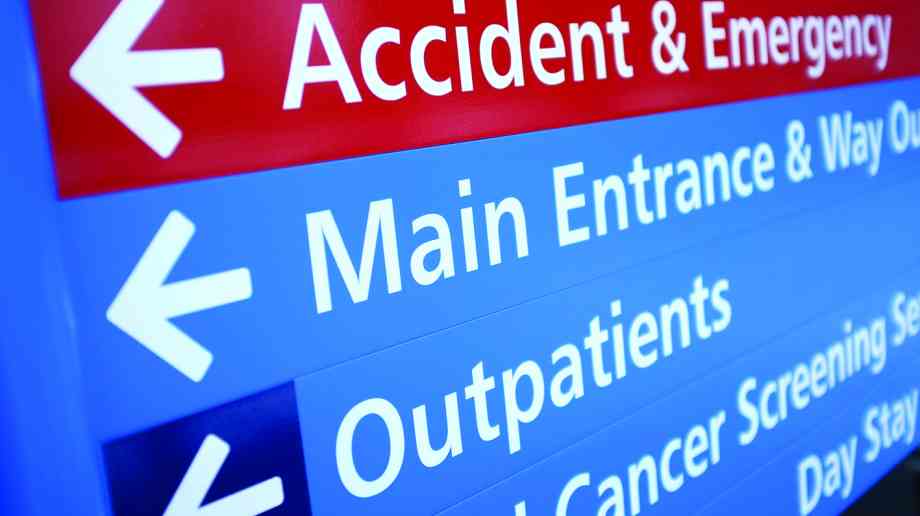
NHS England's first weekly report of the winter has revealed that nearly 95 per cent of beds are occupied in England’s hospitals, with some having to turn away ambulances because of lack of space.
Health leaders have warned that overcrowding this Christmas period means that patient care is being put at risk, with many hospitals now in what is deemed the ‘red zone’ Bed occupancy limits sit at 85 per cent, with anything above recognised as unsafe.
Ambulance crews should be able to handover patients to A&E staff within 15 minutes of arrival - but in one in nine cases it took over 30 minutes. The data for the first week in December showed that eight A&Es had diverted ambulance crews elsewhere because they were so busy.
It is now more than a year since any part of the UK has hit one of its three key targets for: A&E waits, cancer care or hospital operations.
NHS England has also published its monthly performance figures for November, showing that performance against the A&E four hour target is the worst in any November since the data collection began. In total, trusts have seen 1,000 more people with four hours in A&E every day in November compared to last year.
Miriam Deakin, director of policy and strategy at NHS Providers, said: "Despite the extensive preparations by trusts, today's figures make it very clear that the NHS is on course for a very difficult winter. Trusts and their staff are already working at full stretch, but with more patients than ever seeking A&E services in the run up to winter, performance against the four-hour target for November has slipped to its lowest level recorded for that month. However, trusts are seeing 1,000 more people each day in four hours than the same time last year.
"We should be in no doubt that the dedication of NHS staff has helped to maintain levels of performance across the system against a swell in demand for urgent care. NHS providers have worked hard to put preparations into place for winter with more of these measures yet to come into force; however, with the most busy and challenging months of the year still ahead, trusts and their staff are steeling themselves for a challenging winter."
Jonathan Ashworth, Labour’s Shadow Health Secretary, said: “Winter is only just beginning for our NHS and these are hugely concerning figures that don’t bode well for the difficult months ahead. While the government remains paralysed by Brexit infighting, the NHS is struggling as a result of years of underfunding, cuts and staffing shortages. Rather than their self-interest, Tory ministers must start prioritising patients’ interests by outlining proposals for the NHS this winter.
“It would be totally unforgivable if patients suffered another winter crisis like the ones we’ve seen in recent years. Patients will expect the imminent NHS plan to have a clear and credible solution to chronic understaffing and a roadmap for restoring performance that has deteriorated so unacceptably in recent years.”
Latest News

16/02/2024 - 12:56
Hammersmith and Fulham Council has created a new alliance intended to clean dirty air and improve residents' health.

16/02/2024 - 10:44
Two million more GP appointments a month are being delivered for patients compared to the same month before the pandemic as part of the NHS primary care access recovery plan according to new NHS data.

15/02/2024 - 10:26
The Welsh Government has provided innovation funding of £380,000 to support two projects utilising technology in domiciliary care.

15/02/2024 - 10:13
The new Scottish health secretary has met with frontline staff at Queen Elizabeth University Hospital in Glasgow.

14/02/2024 - 10:27
The North East London NHS Foundation Trust (NELFT) has appointed three new Executive Directors to the Trust Board.
Product Features

UK Building Regulations highlight toxic gas and smoke from layers of paint built up over multiple redecorations as a major cause of permanent ill health or death in a building fire.
Their concern rose with discovery the flame retardant paints most widely used paint along escape routes have been ones which to this day counter-productively use emission of heavy toxic gas to smother flames which rapidly spread along walls if layers of paint delaminate in a fire.
Supplier Profiles

Northwich’s Victoria Infirmary (VIN) Community Diagnostic Centre (CDC) has enabled more patients

Adveco, the commercial hot water specialist, announces the launch of live metering of domestic ho
Latest Features

Sarah Greenslade, public affairs and communications officer at the British Parking Association looks at some of the problems and innovations in healthcare parking

It’s easy to assume that the comms team is there to handle press enquiries and the occasional social media storm – but the reality is that strategic communications can make a measurable impact across the entire organisation, from operational to financial, when done properly


