
This story was first published in digitalhealth.net

Survival rates for many cancers have levelled
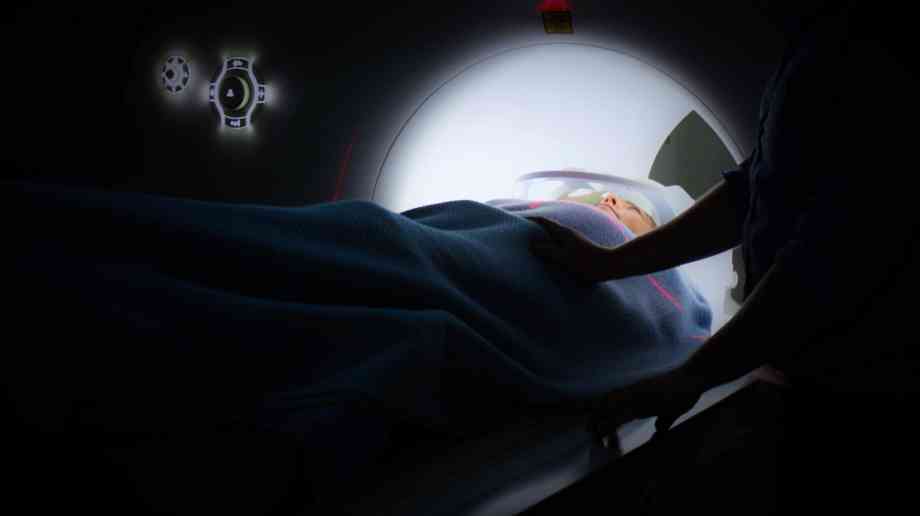
New Office for National Statistics figures have shown that survival rates for many cancers have plateaued over the past decade.
Macmillan Cancer Support, which analysed the data, said that the stall is ‘really worrying’, especially given ‘some encouraging improvement on previous years’. The figures are made even more concerning, the charity says, because the UK is already lagging behind the rates of many other European countries.
Macmillan has previously claimed that the chances of surviving some of the most commonly occurring types of the disease in the UK trail at least 10 years behind many comparable European countries.
The new figures show that the proportion of adults who survived for one year or five years respectively after being diagnosed with cancer in the four-year period 2013-2017 showed little change from levels in 2008-2012. For bladder cancer, the five-year survival rate apparently deteriorated.
Approximately 45,800 women and 320 men were diagnosed with breast cancer in 2017, while 41,200 men were diagnosed with prostate cancer and around 12,000 men and 11,200 women with colon cancer. For these three cancers, variations over time were insignificant in both one-year and five-year survival rates.
Fran Woodard, executive director of Policy at Macmillan Cancer Support, said: “These statistics highlight the importance of early diagnosis in cancer, as survival rates for patients diagnosed with more advanced cancers are significantly worse than those caught at an earlier stage. Whilst hardworking NHS staff do everything in their power to ensure patients are referred, diagnosed and treated as quickly as possible, they are desperately struggling to meet rising patient need.
“Macmillan is calling on the government to publish a fully-funded plan to grow and sustain the NHS workforce as a matter of urgency. Without this, commitments in the NHS Long Term plan to improve cancer survival rates will not be met, and people living with cancer will continue to endure the consequences.”
Latest News

16/02/2024 - 12:56
Hammersmith and Fulham Council has created a new alliance intended to clean dirty air and improve residents' health.

16/02/2024 - 10:44
Two million more GP appointments a month are being delivered for patients compared to the same month before the pandemic as part of the NHS primary care access recovery plan according to new NHS data.

15/02/2024 - 10:26
The Welsh Government has provided innovation funding of £380,000 to support two projects utilising technology in domiciliary care.

15/02/2024 - 10:13
The new Scottish health secretary has met with frontline staff at Queen Elizabeth University Hospital in Glasgow.

14/02/2024 - 10:27
The North East London NHS Foundation Trust (NELFT) has appointed three new Executive Directors to the Trust Board.
Product Features

UK Building Regulations highlight toxic gas and smoke from layers of paint built up over multiple redecorations as a major cause of permanent ill health or death in a building fire.
Their concern rose with discovery the flame retardant paints most widely used paint along escape routes have been ones which to this day counter-productively use emission of heavy toxic gas to smother flames which rapidly spread along walls if layers of paint delaminate in a fire.
Supplier Profiles

Northwich’s Victoria Infirmary (VIN) Community Diagnostic Centre (CDC) has enabled more patients

Adveco, the commercial hot water specialist, announces the launch of live metering of domestic ho
Latest Features

Sarah Greenslade, public affairs and communications officer at the British Parking Association looks at some of the problems and innovations in healthcare parking

It’s easy to assume that the comms team is there to handle press enquiries and the occasional social media storm – but the reality is that strategic communications can make a measurable impact across the entire organisation, from operational to financial, when done properly


