
This story was first published in digitalhealth.net

Hospital doctors 'ill-prepared' for major incident
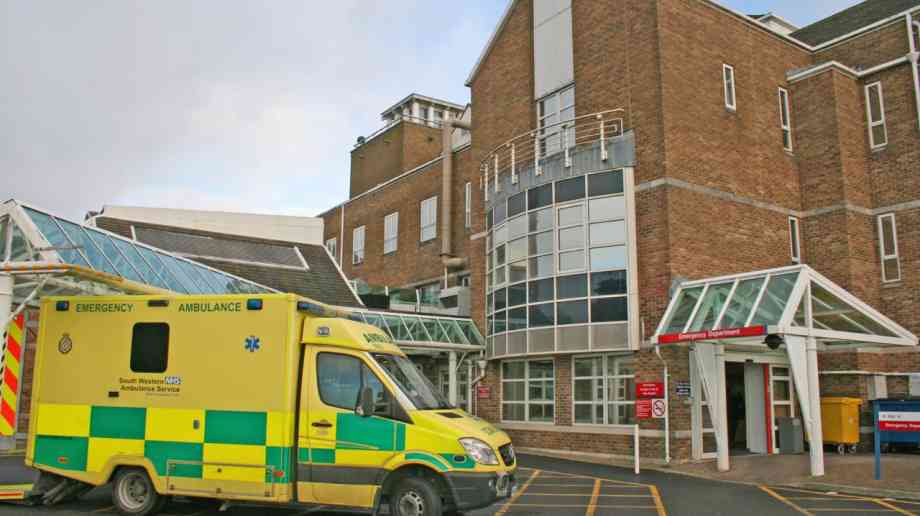
A new survey has found that half of key hospital doctors likely to be involved in responding to a major incident in the UK are not properly prepared.
Oxford University researchers conducted a phone survey to find out if the relatively low level of preparedness more than a decade ago had changed, citing incidents such as the Manchester Arena attack and the Grenfell Tower fire as reasons for the need for an incident plan.
They contacted 296 specialist trainees (on-call registrars) in emergency medicine, trauma and orthopaedics, anaesthetics and general surgery from 74 hospital trusts that had dealt with more than 30,000 patients in emergency care in the first three months of 2017.
However, the findings, published in the Emergency Medicine Journal, suggest that doctors are less prepared than their peers were in 2006. While all hospitals in England are required to have a major incident plan (MIP) to respond to an incident involving a large number of casualties, the survey reveals that half of specialist on-call registrar respondents had not read the plan at all, while about one in four had read part of it.
Less than half of respondents knew where to find a copy of the plan, just under 18 per cent did not know where to locate it, and the rest were unsure. Meanwhile, when asked what role they would have in a major incident response, 36 per cent knew what they would be required to do.
Dr Jamie Mawhinney, primary author of the report, said: “The take-home message from my study is that the majority of middle-grade doctors in England are not confident in the role that they should play in a major incident. We were surprised that this was the case, especially given recent high-profile emergencies in the UK such as the Grenfell Tower disaster and the London Bridge and Westminster terror attacks.
“Our results in fact show that registrar doctors are less confident in responding to the major incident plan than previously. In order to improve confidence amongst staff I believe it will be necessary to increase training. Specifically we believe that all doctors should receive education on their hospital’s major incident plan at all trust inductions, as well as an abbreviated version of their own particular role.”
The response rater to the Oxford University survey was 63 per cent.
Latest News

16/02/2024 - 12:56
Hammersmith and Fulham Council has created a new alliance intended to clean dirty air and improve residents' health.

16/02/2024 - 10:44
Two million more GP appointments a month are being delivered for patients compared to the same month before the pandemic as part of the NHS primary care access recovery plan according to new NHS data.

15/02/2024 - 10:26
The Welsh Government has provided innovation funding of £380,000 to support two projects utilising technology in domiciliary care.

15/02/2024 - 10:13
The new Scottish health secretary has met with frontline staff at Queen Elizabeth University Hospital in Glasgow.

14/02/2024 - 10:27
The North East London NHS Foundation Trust (NELFT) has appointed three new Executive Directors to the Trust Board.
Product Features

UK Building Regulations highlight toxic gas and smoke from layers of paint built up over multiple redecorations as a major cause of permanent ill health or death in a building fire.
Their concern rose with discovery the flame retardant paints most widely used paint along escape routes have been ones which to this day counter-productively use emission of heavy toxic gas to smother flames which rapidly spread along walls if layers of paint delaminate in a fire.
Supplier Profiles

Northwich’s Victoria Infirmary (VIN) Community Diagnostic Centre (CDC) has enabled more patients

Adveco, the commercial hot water specialist, announces the launch of live metering of domestic ho
Latest Features

Sarah Greenslade, public affairs and communications officer at the British Parking Association looks at some of the problems and innovations in healthcare parking

It’s easy to assume that the comms team is there to handle press enquiries and the occasional social media storm – but the reality is that strategic communications can make a measurable impact across the entire organisation, from operational to financial, when done properly


