
This story was first published in digitalhealth.net

Tougher penalties considered for paramedic attacks
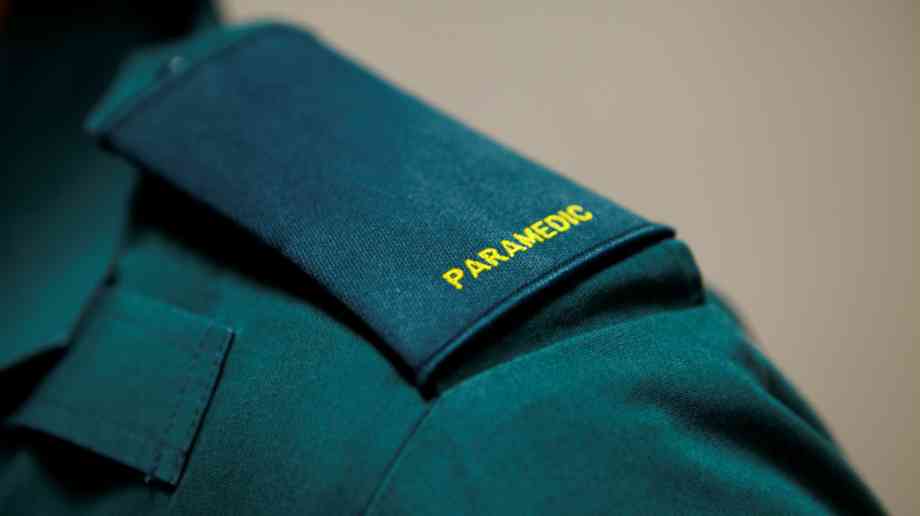
Anyone who assaults or attacks emergency workers could face longer jail terms, as the government launches a new consultation on doubling the maximum penalty for the offence.
Since 2018, anyone found guilty of assaulting a police officer, firefighter, prison officer or paramedic has faced a maximum of 12 months in prison. Judges must also consider tougher sentences for more serious offences – such as GBH or sexual assault – if the victim was an emergency worker.
The Ministry of Justice has now announced that ministers are seeking views from stakeholders, including representative bodies from the emergency services and the judiciary, on whether the maximum penalty should be doubled to two years behind bars.
The move follows a manifesto commitment to consult on tougher sentences, with ministers determined to recognise the debt of gratitude the public feels towards our emergency workers, especially in light of the coronavirus pandemic efforts of key workers.
Robert Buckland, the Justice Secretary, said: “Being punched, kicked or spat at should never be part of the job for our valiant emergency workers who put their lives on the line to keep the public safe. Now more than ever they must be able to do their extraordinary work without the fear of being attacked or assaulted, which is why we’re determined to look at how our laws can protect them further. We will continue to do everything in our power to protect our police, prison officers, firefighters and paramedics - and ensure those who seek to harm them feel the full force of the law.”
In 2019, more than 11,000 people were prosecuted for assaulting an emergency worker, with a quarter of those found guilty receiving a suspended sentence or immediate custody.
Latest News

16/02/2024 - 12:56
Hammersmith and Fulham Council has created a new alliance intended to clean dirty air and improve residents' health.

16/02/2024 - 10:44
Two million more GP appointments a month are being delivered for patients compared to the same month before the pandemic as part of the NHS primary care access recovery plan according to new NHS data.

15/02/2024 - 10:26
The Welsh Government has provided innovation funding of £380,000 to support two projects utilising technology in domiciliary care.

15/02/2024 - 10:13
The new Scottish health secretary has met with frontline staff at Queen Elizabeth University Hospital in Glasgow.

14/02/2024 - 10:27
The North East London NHS Foundation Trust (NELFT) has appointed three new Executive Directors to the Trust Board.
Product Features

UK Building Regulations highlight toxic gas and smoke from layers of paint built up over multiple redecorations as a major cause of permanent ill health or death in a building fire.
Their concern rose with discovery the flame retardant paints most widely used paint along escape routes have been ones which to this day counter-productively use emission of heavy toxic gas to smother flames which rapidly spread along walls if layers of paint delaminate in a fire.
Supplier Profiles

Northwich’s Victoria Infirmary (VIN) Community Diagnostic Centre (CDC) has enabled more patients

Adveco, the commercial hot water specialist, announces the launch of live metering of domestic ho
Latest Features

Sarah Greenslade, public affairs and communications officer at the British Parking Association looks at some of the problems and innovations in healthcare parking

It’s easy to assume that the comms team is there to handle press enquiries and the occasional social media storm – but the reality is that strategic communications can make a measurable impact across the entire organisation, from operational to financial, when done properly


