
This story was first published in digitalhealth.net

New approach to improve diabetes care unveiled
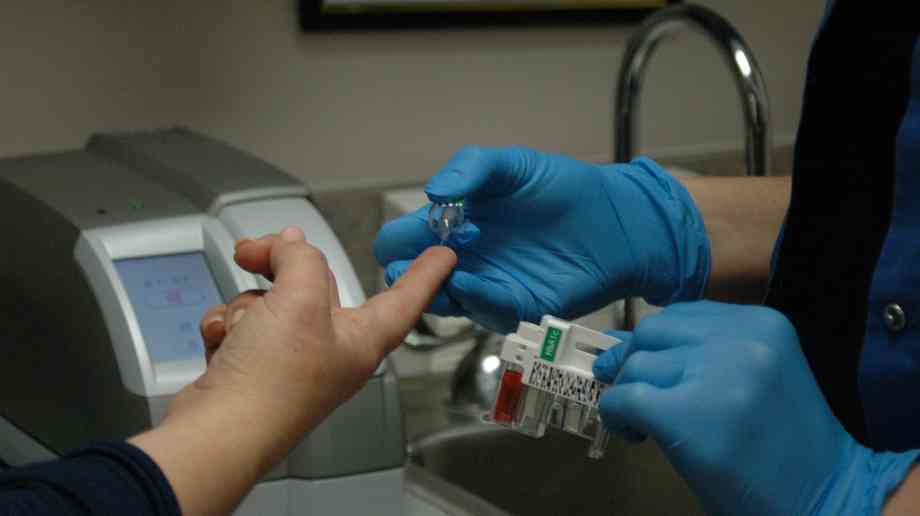
The Welsh Government has published new requirements for the NHS in Wales to improve diabetes care and better support people to manage their condition.
The Quality Statement for Diabetes sets out the key service priorities and national expectations for the development of better diabetes care.
It places an emphasis on good supportive care: helping people to learn how to manage their condition well by taking part in educational programmes, having routine support from healthcare services, and improving access to diabetes technology that can help people manage the condition.
Whilst Type 1 diabetes affects around 16,000 people in Wales and cannot be prevented, more than 190,000 people have type 2 diabetes, which can be prevented or delayed. Estimates suggest the prevalence of diabetes may rise to 10% of the population by 2035. When diabetes is not managed well, it can result in serious damage to the heart, eyes, kidneys, and feet as well as cause diabetic emergencies for some people.
People with diabetes require significant support from NHS services to help manage the condition. It is important people get the right support for them once they have condition and new cases are prevented where possible.
Part of the new approach is the roll out of support to people who are at highest risk of diabetes and the introduction of new remission services for newly diagnosed people who may be able to reverse the development of the condition. Additionally, £1m per year is being invested in the pre-diabetes prevention programme as part of the wider £13m investment under the Healthy Weight Healthy Wales Strategy.
Meeting patients who have been through the remission and education programmes, The Minister for Health and Social Services, Eluned Morgan said: "Today’s quality statement sets out how the NHS will diagnose and help people to manage their diabetes. It sets out the national priorities for service development and has a specific focus on prevention of type 2 diabetes and more broadly the prevention of the serious complications that can come with diabetes.
"Diabetes also has a significant impact on our NHS. We are investing in programmes that support people to reach a healthy weight – which is the best prevention against diabetes 2. However, it is clear that we must do more to prevent cases of type 2 diabetes, which make up about 90% of new cases.
"We need to make big systemic changes to create environments which encourage people to be more active. In a similar way, we need to ensure that everyone in Wales is able to access affordable heathy food. These changes reach beyond the NHS and need everyone in our society to do their part including helping to take the pressure off NHS services."
Latest News

16/02/2024 - 12:56
Hammersmith and Fulham Council has created a new alliance intended to clean dirty air and improve residents' health.

16/02/2024 - 10:44
Two million more GP appointments a month are being delivered for patients compared to the same month before the pandemic as part of the NHS primary care access recovery plan according to new NHS data.

15/02/2024 - 10:26
The Welsh Government has provided innovation funding of £380,000 to support two projects utilising technology in domiciliary care.

15/02/2024 - 10:13
The new Scottish health secretary has met with frontline staff at Queen Elizabeth University Hospital in Glasgow.

14/02/2024 - 10:27
The North East London NHS Foundation Trust (NELFT) has appointed three new Executive Directors to the Trust Board.
Product Features

UK Building Regulations highlight toxic gas and smoke from layers of paint built up over multiple redecorations as a major cause of permanent ill health or death in a building fire.
Their concern rose with discovery the flame retardant paints most widely used paint along escape routes have been ones which to this day counter-productively use emission of heavy toxic gas to smother flames which rapidly spread along walls if layers of paint delaminate in a fire.
Supplier Profiles

Northwich’s Victoria Infirmary (VIN) Community Diagnostic Centre (CDC) has enabled more patients

Adveco, the commercial hot water specialist, announces the launch of live metering of domestic ho
Latest Features

Sarah Greenslade, public affairs and communications officer at the British Parking Association looks at some of the problems and innovations in healthcare parking

It’s easy to assume that the comms team is there to handle press enquiries and the occasional social media storm – but the reality is that strategic communications can make a measurable impact across the entire organisation, from operational to financial, when done properly


