
This story was first published in digitalhealth.net

Approval given for non-invasive MRI scans
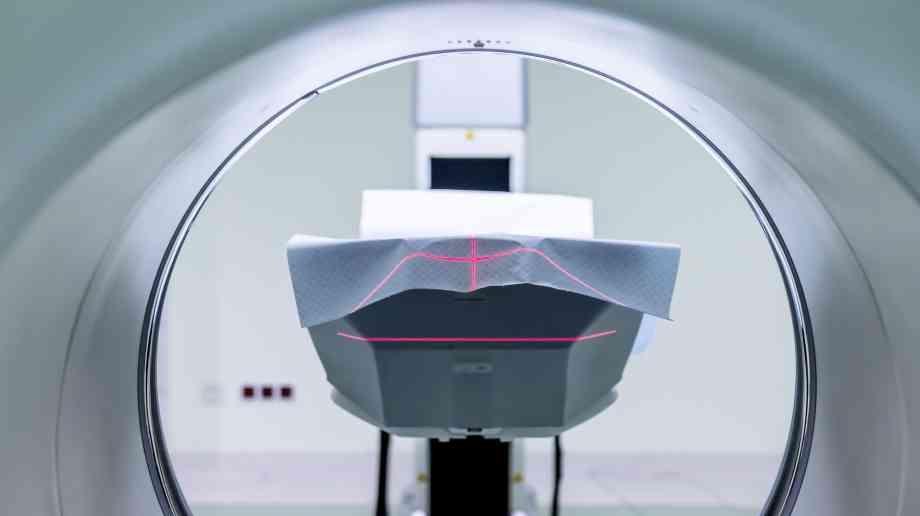
The National Institute for Health and Care Excellence (NICE) has backed MRI scanners as cost-effective and approved their use for detecting prostate cancer on the NHS.
Having been piloted in three areas across Wales, NICE has backed MRIs as cost-effective and able to detect more cancers, with the Welsh Government revealing that health boards are now preparing for changes ahead of NICE finalising guidelines next year.
Affecting one in nine men in Wales, prostate cancer can be difficult to diagnose and biopsies can be both invasive and painful. Multi-parametric MRIs (mpMRIs) allows specialists a better sight of the prostate to decide whether a biopsy is needed, combining up to three different types of scan for a clearer picture of the prostate.
In newly-published draft guidelines, NICE has recommended that mpMRI scanning should be offered as a first-line investigation for people with suspected clinically localised prostate cancer. This will not be replacing standard first-line tests such as the PSA test and people who are not going to have radical treatment should not be routinely offered the scan.
However, with campaigners urging for them to be made available across all of Wales, doubts have been raised over whether the NHS has enough MRI machines and radiologists to cater for the roll-out.
Paul Chrisp, director for the Centre for Guidelines said: “We are pleased to announce that we will be recommending multiparametric MRI for patients with prostate cancer. This diagnostic method aims to improve survival, reduce unnecessary biopsies and benefit both patients and the NHS in the long term.”
Latest News

16/02/2024 - 12:56
Hammersmith and Fulham Council has created a new alliance intended to clean dirty air and improve residents' health.

16/02/2024 - 10:44
Two million more GP appointments a month are being delivered for patients compared to the same month before the pandemic as part of the NHS primary care access recovery plan according to new NHS data.

15/02/2024 - 10:26
The Welsh Government has provided innovation funding of £380,000 to support two projects utilising technology in domiciliary care.

15/02/2024 - 10:13
The new Scottish health secretary has met with frontline staff at Queen Elizabeth University Hospital in Glasgow.

14/02/2024 - 10:27
The North East London NHS Foundation Trust (NELFT) has appointed three new Executive Directors to the Trust Board.
Product Features

UK Building Regulations highlight toxic gas and smoke from layers of paint built up over multiple redecorations as a major cause of permanent ill health or death in a building fire.
Their concern rose with discovery the flame retardant paints most widely used paint along escape routes have been ones which to this day counter-productively use emission of heavy toxic gas to smother flames which rapidly spread along walls if layers of paint delaminate in a fire.
Supplier Profiles

Northwich’s Victoria Infirmary (VIN) Community Diagnostic Centre (CDC) has enabled more patients

Adveco, the commercial hot water specialist, announces the launch of live metering of domestic ho
Latest Features

Sarah Greenslade, public affairs and communications officer at the British Parking Association looks at some of the problems and innovations in healthcare parking

It’s easy to assume that the comms team is there to handle press enquiries and the occasional social media storm – but the reality is that strategic communications can make a measurable impact across the entire organisation, from operational to financial, when done properly


