
This story was first published in digitalhealth.net

Adolescent eating habits detrimental to bone health, NOS warns
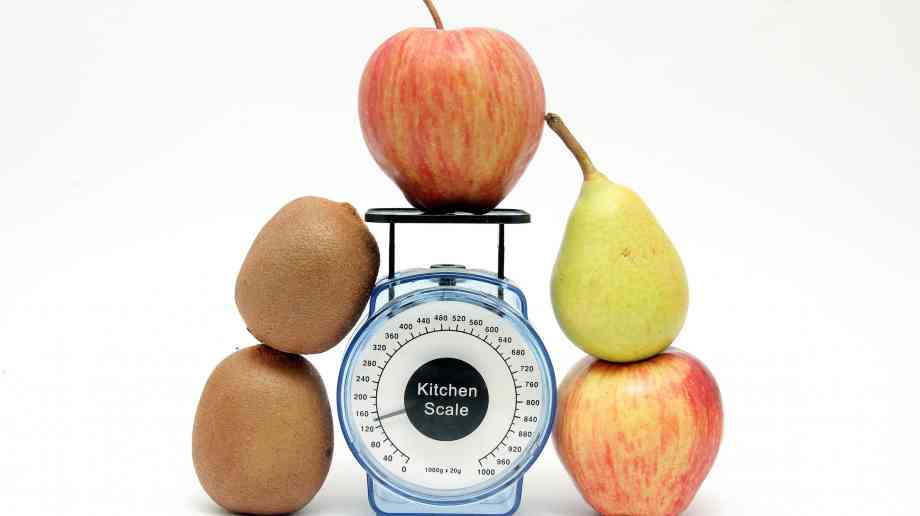
The National Osteoporosis Society (NOS) has warned that the current eating habits of teenagers and young adults is a risking their bone health and ‘time is running out for them to prevent permanent damage’.
According to a survey carried out on behalf of NOS: 70 per cent of 18 – 35 year olds are currently, or have previously been, dieting; while 20 per cent had cut or significantly reduced dairy in their diet.
NOS cautioned that dairy is an important source of calcium, vital in building bone strength when you are young.
NOS noted that the most common diet for those aged 25 and under was ‘clean eating’, which can see dieters cutting out whole food groups from their diet. The survey also showed that under 25s are much more likely than any other age group to be following health, diet or nutrition bloggers on social media.
NOS has raised concern over the influence such ‘fad eating regimes’ promoted on social media as having a potentially harmful effect on teenagers and young adults.
Studies have shown the foundations of good bone health are built in early adulthood, usually before the age of 25. Thus cutting out food groups during this stage of bone development could put future bone health at significant risk, and specifically increase the risk of developing osteoporosis, a condition that causes bones to become fragile and break easily.
Professor Susan Lanham-New, clinical advisor to the National Osteoporosis Society and Professor of Nutrition at the University of Surrey, says: “Diet in early adulthood is so important because by the time we get into our late twenties it is too late to reverse the damage caused by poor diet and nutrient deficiencies and the opportunity to build strong bones has passed.”
Lanham-New added: “Without urgent action being taken to encourage young adults to incorporate all food groups into their diets and avoid particular ‘clean eating’ regimes, we are facing a future where broken bones will become just the ‘norm’. We know that osteoporosis is a painful and debilitating condition and young adults have just one chance to build strong bones and reduce their risk of developing severe problems in later life.”
Latest News

16/02/2024 - 12:56
Hammersmith and Fulham Council has created a new alliance intended to clean dirty air and improve residents' health.

16/02/2024 - 10:44
Two million more GP appointments a month are being delivered for patients compared to the same month before the pandemic as part of the NHS primary care access recovery plan according to new NHS data.

15/02/2024 - 10:26
The Welsh Government has provided innovation funding of £380,000 to support two projects utilising technology in domiciliary care.

15/02/2024 - 10:13
The new Scottish health secretary has met with frontline staff at Queen Elizabeth University Hospital in Glasgow.

14/02/2024 - 10:27
The North East London NHS Foundation Trust (NELFT) has appointed three new Executive Directors to the Trust Board.
Product Features

UK Building Regulations highlight toxic gas and smoke from layers of paint built up over multiple redecorations as a major cause of permanent ill health or death in a building fire.
Their concern rose with discovery the flame retardant paints most widely used paint along escape routes have been ones which to this day counter-productively use emission of heavy toxic gas to smother flames which rapidly spread along walls if layers of paint delaminate in a fire.
Supplier Profiles

Northwich’s Victoria Infirmary (VIN) Community Diagnostic Centre (CDC) has enabled more patients

Adveco, the commercial hot water specialist, announces the launch of live metering of domestic ho
Latest Features

Sarah Greenslade, public affairs and communications officer at the British Parking Association looks at some of the problems and innovations in healthcare parking

It’s easy to assume that the comms team is there to handle press enquiries and the occasional social media storm – but the reality is that strategic communications can make a measurable impact across the entire organisation, from operational to financial, when done properly


