
This story was first published in digitalhealth.net

GS1 UK announces partnership with NHS Wales
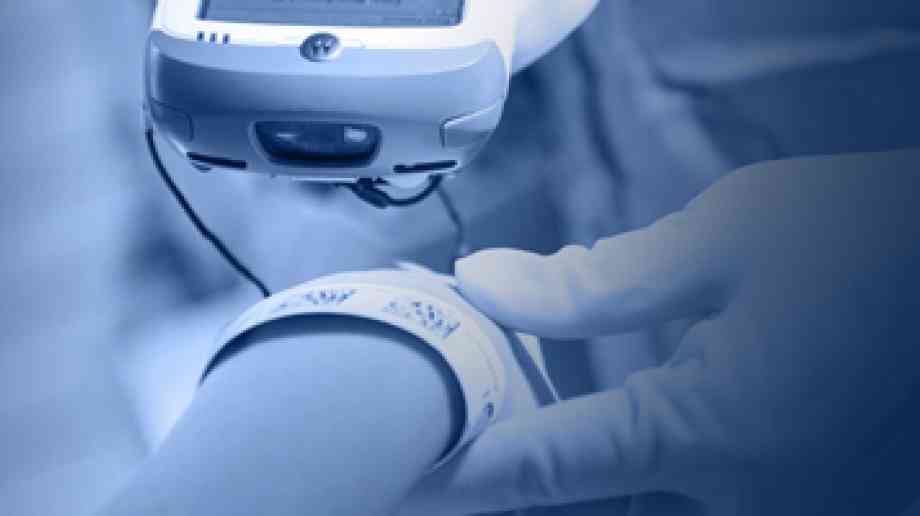
GS1 UK has announced the signing of a multi-year agreement with NHS Wales to drive the adoption of GS1 standards within healthcare settings across the UK.
NHS Wales becomes the third devolved nation – alongside England and Northern Ireland – to commit to the adoption of these standards to underpin traceability across healthcare. The decision to do so has been driven by the objectives of the Welsh Government’s Plan for Health and Social Care – A Healthier Wales. The plan centres on harnessing existing resources and investing in new technology, to deliver better outcomes for their patient populations.
The strategic Scan for Safety Wales Project Board, established to manage the rollout, will initially focus on developing a national inventory-management system to improve the traceability of healthcare products throughout the supply chain.
Not only will this serve to provide greater control over stock and reduce the volume of system-wide waste, but it will also facilitate the rapid identification of defective products to transform the product-recall process – a crucial patient-safety benefit. Phase two of the work plan will begin in parallel, to expand the adoption of GS1 standards to encompass the unique identification of every person, every product, and every place across all NHS Wales organisations.
Glen Hodgson, head of healthcare at GS1 UK, said: “We are delighted to be collaborating with NHS Wales on their Scan for Safety project. By working together, we can support the project board to deliver enhanced patient safety, reduce unwarranted clinical variation, and improve operational efficiencies across their entire healthcare system. “Furthermore, because GS1 standards are both system and device agnostic, any data captured can be shared effortlessly between systems and organisations. This is the key to improving the patient care journey – enabling access to accurate patient information in real time, irrespective of where that care was received.”
Evidence of such outcomes have already been seen across NHS trusts in England, in the publication of the Scan4Safety report in July 2020.
Latest News

16/02/2024 - 12:56
Hammersmith and Fulham Council has created a new alliance intended to clean dirty air and improve residents' health.

16/02/2024 - 10:44
Two million more GP appointments a month are being delivered for patients compared to the same month before the pandemic as part of the NHS primary care access recovery plan according to new NHS data.

15/02/2024 - 10:26
The Welsh Government has provided innovation funding of £380,000 to support two projects utilising technology in domiciliary care.

15/02/2024 - 10:13
The new Scottish health secretary has met with frontline staff at Queen Elizabeth University Hospital in Glasgow.

14/02/2024 - 10:27
The North East London NHS Foundation Trust (NELFT) has appointed three new Executive Directors to the Trust Board.
Product Features

UK Building Regulations highlight toxic gas and smoke from layers of paint built up over multiple redecorations as a major cause of permanent ill health or death in a building fire.
Their concern rose with discovery the flame retardant paints most widely used paint along escape routes have been ones which to this day counter-productively use emission of heavy toxic gas to smother flames which rapidly spread along walls if layers of paint delaminate in a fire.
Supplier Profiles

Northwich’s Victoria Infirmary (VIN) Community Diagnostic Centre (CDC) has enabled more patients

Adveco, the commercial hot water specialist, announces the launch of live metering of domestic ho
Latest Features

Sarah Greenslade, public affairs and communications officer at the British Parking Association looks at some of the problems and innovations in healthcare parking

It’s easy to assume that the comms team is there to handle press enquiries and the occasional social media storm – but the reality is that strategic communications can make a measurable impact across the entire organisation, from operational to financial, when done properly


