
This story was first published in digitalhealth.net

NHS needs more beds to fight winter breathing problems
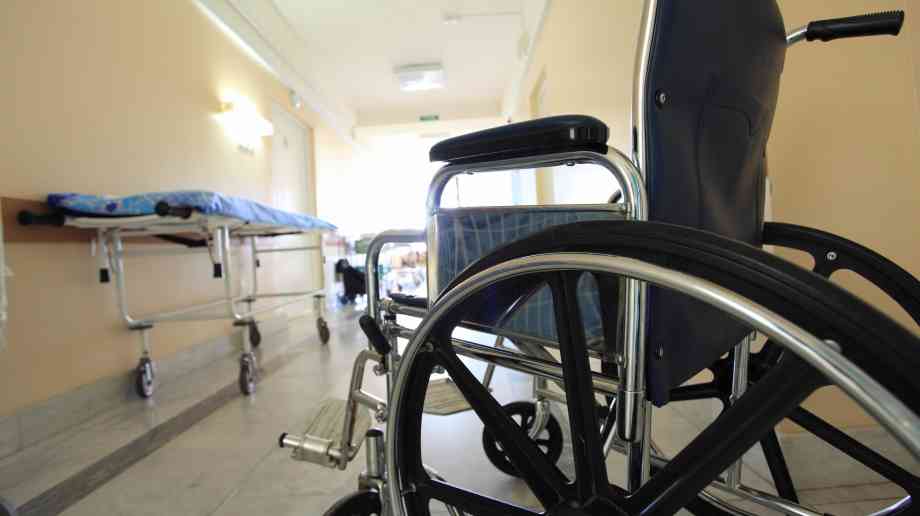
A new report has argued that hospitals must provide more beds in the winter months to deal with the rising numbers of adults and children who struggle to breathe in wintery conditions.
Out in the cold, published by the British Lung Foundation, warns that the ongoing failure to address a predictable and obvious seasonal variation in respiratory admissions is at the heart of the UK’s A&E winter crisis, potentially causing patients needless harm.
The charity’s report found that respiratory admissions peaked in December 2016 at 32,492, considerably above the average of 10,652 for the 20 most commons disease areas. Additionally, there are 80 per cent more lung disease admissions in the winter months of December, January and February compared to in March, April and May.
This annual fluctuation has consistently repeated over the last seven years, yet many hospitals have failed to adapt their services to cope with the surge in respiratory admissions. Despite knowledge of these facts, only 10 of the 104 hospital trusts who responded to requests for information from the British Lung Foundation on their 2017/18 winter plans said they were going to give more beds to people admitted for lung conditions.
The Out in the cold report recommends an improvement in prevention strategies, such as the annual flu jab, in order to reduce general respiratory infections and help people who have an existing lung condition to better manage it themselves. More immediately, the NHS needs to adapt its services to address this seasonality and prevent unavoidable respiratory admissions.
Penny Woods, chief executive of the foundation, said: “Year after year we are seeing an influx of patients admitted to A&E with respiratory conditions. Despite this our analysis reveals that many hospitals are woefully unprepared. This is at a great cost to patients who suffer as a result. Taking a more seasonal approach to supporting people with lung disease will reduce needless attendances and admissions and ultimately improve patient care and outcomes.”
Latest News

16/02/2024 - 12:56
Hammersmith and Fulham Council has created a new alliance intended to clean dirty air and improve residents' health.

16/02/2024 - 10:44
Two million more GP appointments a month are being delivered for patients compared to the same month before the pandemic as part of the NHS primary care access recovery plan according to new NHS data.

15/02/2024 - 10:26
The Welsh Government has provided innovation funding of £380,000 to support two projects utilising technology in domiciliary care.

15/02/2024 - 10:13
The new Scottish health secretary has met with frontline staff at Queen Elizabeth University Hospital in Glasgow.

14/02/2024 - 10:27
The North East London NHS Foundation Trust (NELFT) has appointed three new Executive Directors to the Trust Board.
Product Features

UK Building Regulations highlight toxic gas and smoke from layers of paint built up over multiple redecorations as a major cause of permanent ill health or death in a building fire.
Their concern rose with discovery the flame retardant paints most widely used paint along escape routes have been ones which to this day counter-productively use emission of heavy toxic gas to smother flames which rapidly spread along walls if layers of paint delaminate in a fire.
Supplier Profiles

Northwich’s Victoria Infirmary (VIN) Community Diagnostic Centre (CDC) has enabled more patients

Adveco, the commercial hot water specialist, announces the launch of live metering of domestic ho
Latest Features

Sarah Greenslade, public affairs and communications officer at the British Parking Association looks at some of the problems and innovations in healthcare parking

It’s easy to assume that the comms team is there to handle press enquiries and the occasional social media storm – but the reality is that strategic communications can make a measurable impact across the entire organisation, from operational to financial, when done properly


