
This story was first published in digitalhealth.net

Contraception services damaged by coronavirus
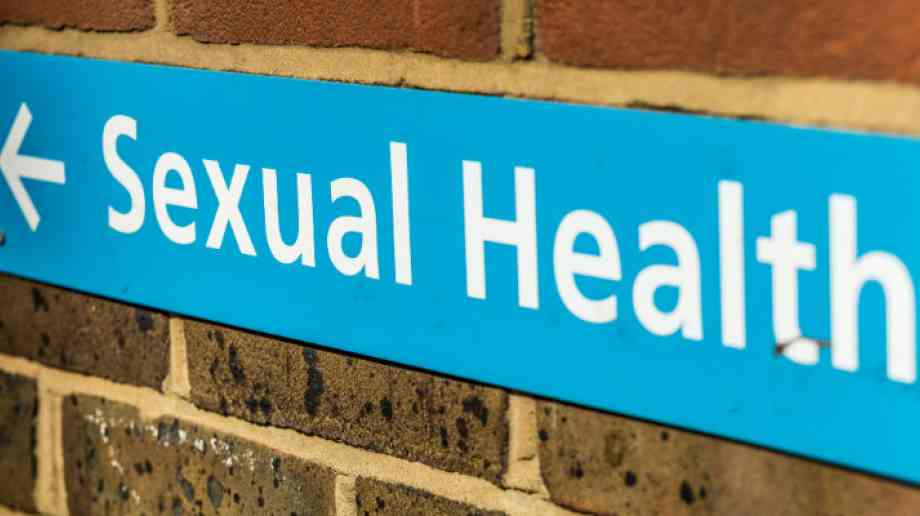
A group of MPs have warned that the coronavirus pandemic has made a ‘difficult situation even worse’ for women trying to access contraception.
The All Party Parliamentary Group (APPG) on Sexual and Reproductive Health said that years of cuts means patients ‘have to navigate a complex system just to receive basic healthcare’. Because of the pandemic, the service is now more ‘overstretched and underfunded’ that before, which has led to service closures, reduced opening hours, waiting lists and staff cuts.
The MPs claim that the damage caused by coronavirus, where women are said to be ‘bounced from service to service’, could see a rise in unplanned pregnancies and abortions. In some cases during lockdown, even essential care provision like emergency fittings and removals of devices have been affected.
The APPG on Sexual and Reproductive Health is calling for a single commissioning body. It claims that the current system means there is a ‘significant lack of local and national accountability’ and the national reorganisation of Public Health England is an opportunity to solve issues.
The British Pregnancy Advisor Service (BPAS) has previously called for emergency contraception to be available to buy in supermarkets without a consultation after figures suggested access to the morning-after pill had fallen significantly during lockdown.
Ian Hudspeth, chairman of the Local Government Association’s Community Wellbeing Board, said: “This report is an important contribution into how we look to improve access to contraception for women which best meets their needs. Councils have been working hard to maintain and expand access to sexual and reproductive health services, both during and prior to the pandemic, despite severe funding pressures.
“Rising demand is continuing to push some councils’ sexual health services to capacity and there is a real risk of waiting times increasing and patient experience deteriorating. The forthcoming Spending Review needs to see significant and sustainable investment in public health, including a reversal of councils’ grant funding reductions since 2015.
“It is good that government has listened to our calls for a national strategy for sexual and reproductive health and we look forward to reviewing it. Better integration across the system is needed, as this report recognises, such as pooling resources and expertise. We will continue to work with government on recognising the importance of sexual and reproductive health, including through the current reforms to public health.”
Latest News

16/02/2024 - 12:56
Hammersmith and Fulham Council has created a new alliance intended to clean dirty air and improve residents' health.

16/02/2024 - 10:44
Two million more GP appointments a month are being delivered for patients compared to the same month before the pandemic as part of the NHS primary care access recovery plan according to new NHS data.

15/02/2024 - 10:26
The Welsh Government has provided innovation funding of £380,000 to support two projects utilising technology in domiciliary care.

15/02/2024 - 10:13
The new Scottish health secretary has met with frontline staff at Queen Elizabeth University Hospital in Glasgow.

14/02/2024 - 10:27
The North East London NHS Foundation Trust (NELFT) has appointed three new Executive Directors to the Trust Board.
Product Features

UK Building Regulations highlight toxic gas and smoke from layers of paint built up over multiple redecorations as a major cause of permanent ill health or death in a building fire.
Their concern rose with discovery the flame retardant paints most widely used paint along escape routes have been ones which to this day counter-productively use emission of heavy toxic gas to smother flames which rapidly spread along walls if layers of paint delaminate in a fire.
Supplier Profiles

Northwich’s Victoria Infirmary (VIN) Community Diagnostic Centre (CDC) has enabled more patients

Adveco, the commercial hot water specialist, announces the launch of live metering of domestic ho
Latest Features

Sarah Greenslade, public affairs and communications officer at the British Parking Association looks at some of the problems and innovations in healthcare parking

It’s easy to assume that the comms team is there to handle press enquiries and the occasional social media storm – but the reality is that strategic communications can make a measurable impact across the entire organisation, from operational to financial, when done properly


