
This story was first published in digitalhealth.net

Scots NHS introduce HPV test for cervical cancer
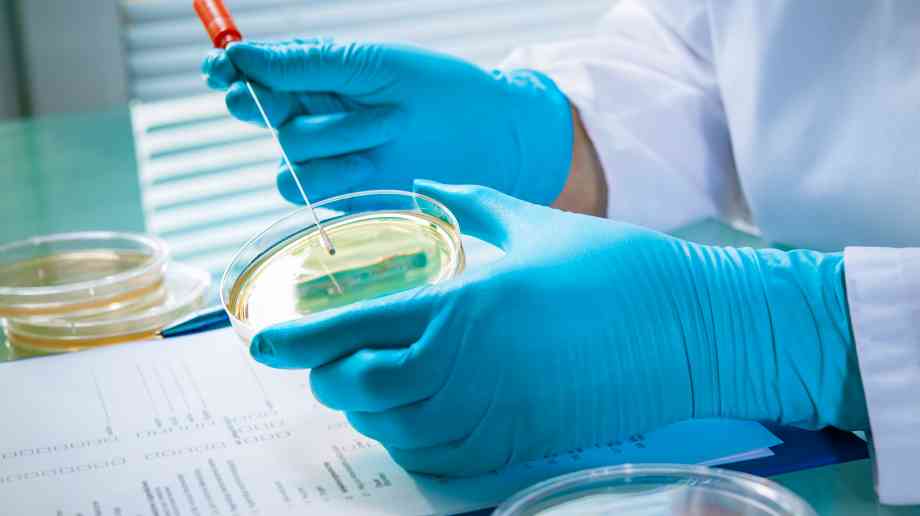
Scotland’s NHS is to introduce a more accurate test for cervical cancer which could help speed up treatment for patients.
The new plans mean that women who are offered a routine smear test for cervical cancer will also be checked for Human Papilloma Virus (HPV), which has been strongly linked to the cancer.
The new tests were introduced in the NHS in England after a successful trial in 2016. They follow recommendations from the UK National Screening Committee and will be given to all women aged between 25 and 64 who are offered a smear test.
The decision comes after latest figures showed that uptake of screening is on a downward trend in Scotland, with just under 70 per cent of eligible women attending a test, compared to 80 per cent the previous decade.
Treatment as a result of screening prevents eight out of 10 cervical cancers from developing and saves around 5,000 lives in the UK annually.
The new test is expected to be available to patients by 2019-20.
Shona Robison, Health Secretary, said: “Cervical screening is an important health service that can reduce cases of cervical cancer and death. We must continue to invest in more accurate and accessible tests.
"I am pleased to announce that investment from our cancer strategy will be used to introduce this new test, which will help ensure the early signs of cervical cancer are identified and treated earlier."
Robert Music, chief executive of Jo’s Cervical Cancer Trust, said: “It is positive to see the NHS in Scotland following advice from the UKNSC and changing to this more effective test which will reduce incidence of cervical cancer in Scotland and save lives.
"We look forward to working with the screening programme to ensure this change is made as smoothly as possible, communicated effectively to the public, and that the workforce in particular is supported to adapt to the changes."
Gregor McNie, Cancer Research UK, said: “Testing first for the human papilloma virus will help prevent more cervical cancers, as it can pick up the cancer-causing infection before any abnormalities could develop in the cells.
"The need for improvements to the cervical screening programme was set out in the Scottish government's cancer strategy published last year, so it's good to see progress being made."
Latest News

16/02/2024 - 12:56
Hammersmith and Fulham Council has created a new alliance intended to clean dirty air and improve residents' health.

16/02/2024 - 10:44
Two million more GP appointments a month are being delivered for patients compared to the same month before the pandemic as part of the NHS primary care access recovery plan according to new NHS data.

15/02/2024 - 10:26
The Welsh Government has provided innovation funding of £380,000 to support two projects utilising technology in domiciliary care.

15/02/2024 - 10:13
The new Scottish health secretary has met with frontline staff at Queen Elizabeth University Hospital in Glasgow.

14/02/2024 - 10:27
The North East London NHS Foundation Trust (NELFT) has appointed three new Executive Directors to the Trust Board.
Product Features

UK Building Regulations highlight toxic gas and smoke from layers of paint built up over multiple redecorations as a major cause of permanent ill health or death in a building fire.
Their concern rose with discovery the flame retardant paints most widely used paint along escape routes have been ones which to this day counter-productively use emission of heavy toxic gas to smother flames which rapidly spread along walls if layers of paint delaminate in a fire.
Supplier Profiles

Northwich’s Victoria Infirmary (VIN) Community Diagnostic Centre (CDC) has enabled more patients

Adveco, the commercial hot water specialist, announces the launch of live metering of domestic ho
Latest Features

Sarah Greenslade, public affairs and communications officer at the British Parking Association looks at some of the problems and innovations in healthcare parking

It’s easy to assume that the comms team is there to handle press enquiries and the occasional social media storm – but the reality is that strategic communications can make a measurable impact across the entire organisation, from operational to financial, when done properly


