
This story was first published in digitalhealth.net

Mental health crisis plan access to go live
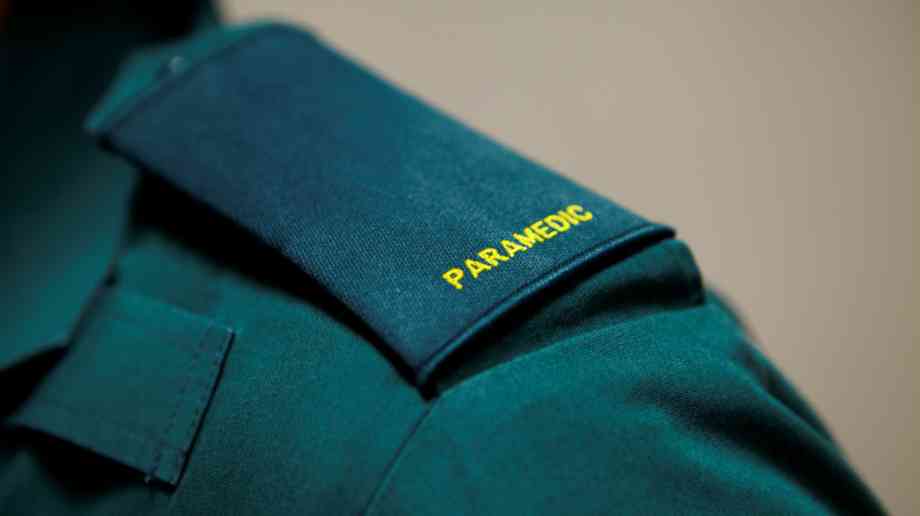
Paramedics will soon be able to access the mental health crisis plans of emergency patients while on the move, following the successful first pilot phase of the National Record Locator.
The pilot gave ambulance staff in pilot areas the ability to see whether someone they were treating had a mental health crisis plan, joining up services and helping patients get the best possible care. Now it will expand, giving paramedics the crisis plan itself so that they can make the right clinical decisions on the ground instead of taking the patient to A&E units or referring back to other health professionals who have access to the information.
NHS Digital says that the first full record retrieval will take place in November, with an additional three mental health trusts joining the nine trusts already involved with the first phase.
Mike Walker, head of the Integrating Care programme at NHS Digital said: “This pilot has so far been a fabulous success, with over 85,000 mental health crisis plan pointers added to the database across the country since last December, so that ambulance staff are less in the dark about the people they’re on their way to help.
“Now we’ve proven that the technology works, it’s time to open it up, to new areas of specialism, new settings: putting the clinical information itself into the hands of those that need it. Our ambulance staff do a fantastic job, handling real-life emergencies every single day. Having access to the right information at the right time will mean fewer wasted trips to overstretched A&Es and better care for patients.”
The next phase of the pilot will also see digital child health records shared by child health organisations and health visiting services, as care is transferred from one service to another. Pointers will be added for digital maternity services in successful pilot areas next year, flagging where expectant mothers are receiving care elsewhere. Mental health nurses will be able to access records when working in the community with the police, to promote joined up service provision and appropriate care.
Latest News

16/02/2024 - 12:56
Hammersmith and Fulham Council has created a new alliance intended to clean dirty air and improve residents' health.

16/02/2024 - 10:44
Two million more GP appointments a month are being delivered for patients compared to the same month before the pandemic as part of the NHS primary care access recovery plan according to new NHS data.

15/02/2024 - 10:26
The Welsh Government has provided innovation funding of £380,000 to support two projects utilising technology in domiciliary care.

15/02/2024 - 10:13
The new Scottish health secretary has met with frontline staff at Queen Elizabeth University Hospital in Glasgow.

14/02/2024 - 10:27
The North East London NHS Foundation Trust (NELFT) has appointed three new Executive Directors to the Trust Board.
Product Features

UK Building Regulations highlight toxic gas and smoke from layers of paint built up over multiple redecorations as a major cause of permanent ill health or death in a building fire.
Their concern rose with discovery the flame retardant paints most widely used paint along escape routes have been ones which to this day counter-productively use emission of heavy toxic gas to smother flames which rapidly spread along walls if layers of paint delaminate in a fire.
Supplier Profiles

Northwich’s Victoria Infirmary (VIN) Community Diagnostic Centre (CDC) has enabled more patients

Adveco, the commercial hot water specialist, announces the launch of live metering of domestic ho
Latest Features

Sarah Greenslade, public affairs and communications officer at the British Parking Association looks at some of the problems and innovations in healthcare parking

It’s easy to assume that the comms team is there to handle press enquiries and the occasional social media storm – but the reality is that strategic communications can make a measurable impact across the entire organisation, from operational to financial, when done properly


