
This story was first published in digitalhealth.net

Coghill to lead London race equality programme
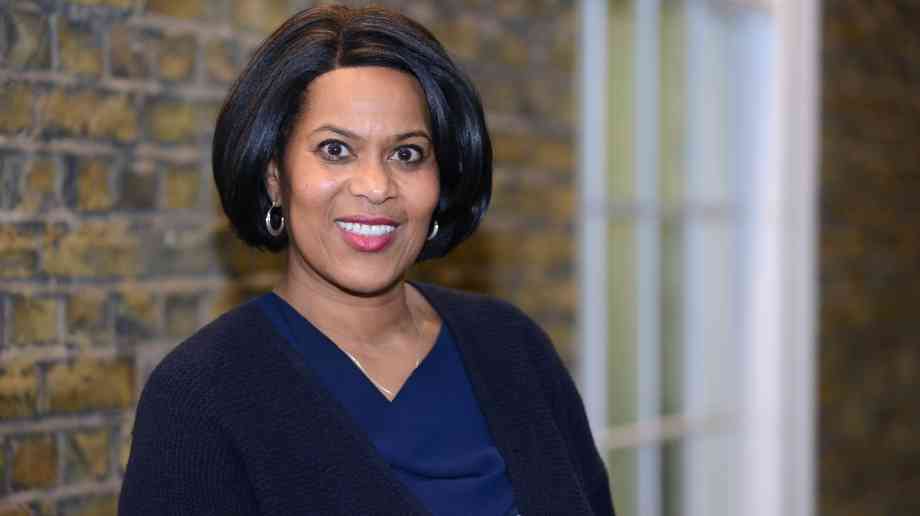
Yvonne Coghill, NHS England’s director of Workforce Race Equality, is to lead a rapid programme of work to support black Asian and minority ethnic (BAME) staff across London, in response to the coronavirus outbreak.
Coghill will focus on the capital, which has the largest workforce diversity, to support NHS employers to make further positive changes for their staff.
The WRES programme was established to understand the experience of people from BAME backgrounds working in the NHS, and make practical improvements on key issues including recruitment, development and disciplinary processes.
In response to the current pandemic, the NHS has taken further action to support BAME staff, as evidence shows people from these backgrounds are at greater risk of harm.
All local NHS employers are expected to undertake risk-assessments of their BAME staff’s working environments, patterns and responsibilities and make changes to staffing to protect those at risk, and Coghill will help local services make changes, informed by learning from the WRES programme.
Coghill will be replaced by Habib Naqvi, deputy director of the WRES programme, until autumn, when a permanent appointment will be made.
Yvonne Coghill said: “The WRES programme has already made important, significant progress in making the NHS a better place to work, regardless of your race or ethnicity, but everyone recognises that we have a long way to go.
“Covid-19 has injected even greater urgency into the work we are doing to support staff from BAME backgrounds, and over the coming months I’ll be working closely. I’d like to thank my team and everyone across the NHS for their continued work to make the NHS a fairer and more equal employer and I’m proud that WRES has driven change in recent years and will no doubt continue to make a positive impact into the future.”
Prerana Issar, chief people officer for the NHS, said: “The NHS has always been driven by the professionalism and dedication of our staff, who have since the foundation of the health service been drawn from a range of backgrounds and from countries across the globe. Tackling Covid-19 is one of the gravest challenges our people in the NHS have ever faced, and since the start of the outbreak, nationally and across the country NHS employers have looked to support frontline staff, and it’s clear that the particular impact on people from BAME backgrounds means we must keep a relentless focus on making practical, positive changes.”
Latest News

16/02/2024 - 12:56
Hammersmith and Fulham Council has created a new alliance intended to clean dirty air and improve residents' health.

16/02/2024 - 10:44
Two million more GP appointments a month are being delivered for patients compared to the same month before the pandemic as part of the NHS primary care access recovery plan according to new NHS data.

15/02/2024 - 10:26
The Welsh Government has provided innovation funding of £380,000 to support two projects utilising technology in domiciliary care.

15/02/2024 - 10:13
The new Scottish health secretary has met with frontline staff at Queen Elizabeth University Hospital in Glasgow.

14/02/2024 - 10:27
The North East London NHS Foundation Trust (NELFT) has appointed three new Executive Directors to the Trust Board.
Product Features

UK Building Regulations highlight toxic gas and smoke from layers of paint built up over multiple redecorations as a major cause of permanent ill health or death in a building fire.
Their concern rose with discovery the flame retardant paints most widely used paint along escape routes have been ones which to this day counter-productively use emission of heavy toxic gas to smother flames which rapidly spread along walls if layers of paint delaminate in a fire.
Supplier Profiles

Northwich’s Victoria Infirmary (VIN) Community Diagnostic Centre (CDC) has enabled more patients

Adveco, the commercial hot water specialist, announces the launch of live metering of domestic ho
Latest Features

Sarah Greenslade, public affairs and communications officer at the British Parking Association looks at some of the problems and innovations in healthcare parking

It’s easy to assume that the comms team is there to handle press enquiries and the occasional social media storm – but the reality is that strategic communications can make a measurable impact across the entire organisation, from operational to financial, when done properly


