
This story was first published in digitalhealth.net

Social care left exposed by lack of PPE, say MPs
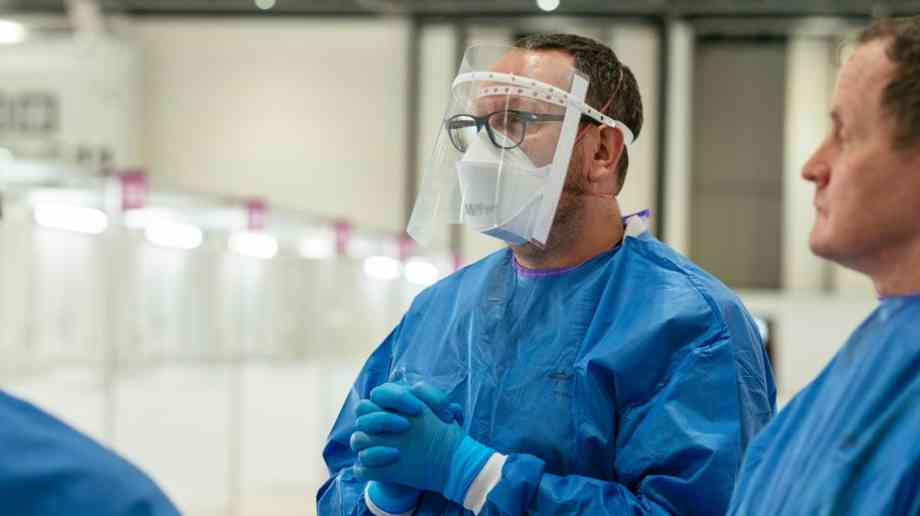
The Commons Public Accounts Committee has said that the Department for Health and Social Care's decision to prioritise hospitals at the beginning of the pandemic meant social care providers were left exposed by lack of PPE.
The committee highlights the appalling situation of staff having to care for people with coronavirus or suspected coronavirus without sufficient PPE to protect themselves from infection.
MPs say that the government’s failure to be transparent about its buying decisions in the pandemic has ‘left it open to accusations of poor value for money, conflicts of interest and preferential treatment of some suppliers’. This includes a lack of transparency in publishing contracts in a timely manner and maintaining proper records of key decisions.
Having spent billions on goods and services without competition, the Department of Health and Social Care is reported to have spent over £12 billion on 32 billion items of PPE between February and July 2020. So far, it has identified items worth hundreds of millions of pounds which are unusable for their intended purpose, at further risk to taxpayers’ money.
At each stage the government maintains that no setting actually ran out of PPE. But the Public Accounts Committee heard compelling evidence from organisations representing front-line workers that stocks ran perilously low; single use items were reused; some was not fit for purpose - including reports of expired, substandard, deficient or even insect-infested supplies - and staff were in fear that they would run out.
Meg Hillier MP, chair of the Public committee, said: "Government had permission to procure equipment at pace and without tendering under the law, but acting fast did not give it license to rip up record keeping on decisions. It did not publish contracts in time and kept poor records of why some companies won multi-million pound contracts. The cost of emergency procurement - £billions higher than the equivalent a year before - highlights how both its pandemic plan and supply of essential equipment were inadequate.
“Frontline workers were left without adequate supplies, risking their own and their families’ lives to provide treatment and care. We’re at a dangerous new phase of the pandemic, in our third national lockdown with no defined end in sight. The government needs to acknowledge the errors and be better prepared."
Latest News

16/02/2024 - 12:56
Hammersmith and Fulham Council has created a new alliance intended to clean dirty air and improve residents' health.

16/02/2024 - 10:44
Two million more GP appointments a month are being delivered for patients compared to the same month before the pandemic as part of the NHS primary care access recovery plan according to new NHS data.

15/02/2024 - 10:26
The Welsh Government has provided innovation funding of £380,000 to support two projects utilising technology in domiciliary care.

15/02/2024 - 10:13
The new Scottish health secretary has met with frontline staff at Queen Elizabeth University Hospital in Glasgow.

14/02/2024 - 10:27
The North East London NHS Foundation Trust (NELFT) has appointed three new Executive Directors to the Trust Board.
Product Features

UK Building Regulations highlight toxic gas and smoke from layers of paint built up over multiple redecorations as a major cause of permanent ill health or death in a building fire.
Their concern rose with discovery the flame retardant paints most widely used paint along escape routes have been ones which to this day counter-productively use emission of heavy toxic gas to smother flames which rapidly spread along walls if layers of paint delaminate in a fire.
Supplier Profiles

Northwich’s Victoria Infirmary (VIN) Community Diagnostic Centre (CDC) has enabled more patients

Adveco, the commercial hot water specialist, announces the launch of live metering of domestic ho
Latest Features

Sarah Greenslade, public affairs and communications officer at the British Parking Association looks at some of the problems and innovations in healthcare parking

It’s easy to assume that the comms team is there to handle press enquiries and the occasional social media storm – but the reality is that strategic communications can make a measurable impact across the entire organisation, from operational to financial, when done properly


