
This story was first published in digitalhealth.net

PRU service to ease pressure on London’s hospitals
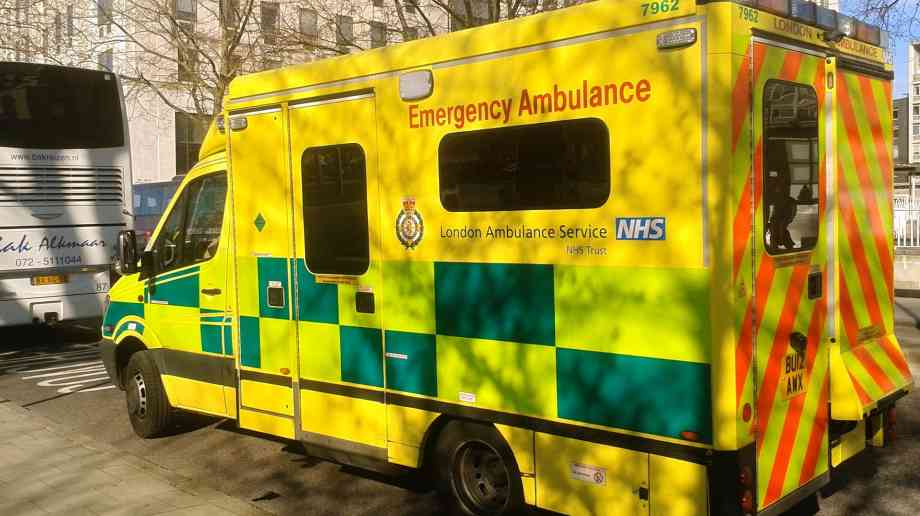
London’s Air Ambulance, London Ambulance Service and Barts Health NHS Trust have remodelled their Physician Response Unit (PRU) service to enable around 50 per cent more patients to be seen each day.
The PRU’s emergency staff will respond and will enable the treatment of a wider range of illnesses and injuries at the scene of emergency compared to ambulance crews which take many emergency patients to hospital. By enabling patients to remain at home, the PRU cuts treatment times by hours and focuses on improving patients’ experience compared to the normal route of being admitted to hospital wards.
Dr Tony Joy, clinical lead for the PRU, said: “This is an exciting time for emergency care in London. The PRU is an innovative solution to help us respond to the very high demand on health services. The redevelopment will mean longer operational hours, and closer working between all aspects of healthcare provision. It turns emergency care on its head so that emergency patients are seen in the community by senior clinicians, enabling early treatment and access to alternative pathways without the need to go to hospital.
“It will help reduce pressure on emergency departments by reducing admissions and will support London Ambulance Service by reducing the need for ambulance conveyances. We hope that this model of care will be rolled out throughout the UK one day.”
Malik Ramadhan, of Barts Health NHS Trust, added: “It is vital that we look at innovative ways of caring for the ever increasing number of emergency patients coming through the doors of A&Es. Just as we are now able to safely book some A&E patients in for a next-day scan, saving them from an unnecessary overnight stay in hospital, it is often more favorable to patients to receive the care they need without having to come to hospital at all. This also keeps hospital beds free for those most urgently in need and operations running on time which is better for patients and more cost-effective for the NHS.”
Latest News

16/02/2024 - 12:56
Hammersmith and Fulham Council has created a new alliance intended to clean dirty air and improve residents' health.

16/02/2024 - 10:44
Two million more GP appointments a month are being delivered for patients compared to the same month before the pandemic as part of the NHS primary care access recovery plan according to new NHS data.

15/02/2024 - 10:26
The Welsh Government has provided innovation funding of £380,000 to support two projects utilising technology in domiciliary care.

15/02/2024 - 10:13
The new Scottish health secretary has met with frontline staff at Queen Elizabeth University Hospital in Glasgow.

14/02/2024 - 10:27
The North East London NHS Foundation Trust (NELFT) has appointed three new Executive Directors to the Trust Board.
Product Features

UK Building Regulations highlight toxic gas and smoke from layers of paint built up over multiple redecorations as a major cause of permanent ill health or death in a building fire.
Their concern rose with discovery the flame retardant paints most widely used paint along escape routes have been ones which to this day counter-productively use emission of heavy toxic gas to smother flames which rapidly spread along walls if layers of paint delaminate in a fire.
Supplier Profiles

Northwich’s Victoria Infirmary (VIN) Community Diagnostic Centre (CDC) has enabled more patients

Adveco, the commercial hot water specialist, announces the launch of live metering of domestic ho
Latest Features

Sarah Greenslade, public affairs and communications officer at the British Parking Association looks at some of the problems and innovations in healthcare parking

It’s easy to assume that the comms team is there to handle press enquiries and the occasional social media storm – but the reality is that strategic communications can make a measurable impact across the entire organisation, from operational to financial, when done properly


