
This story was first published in digitalhealth.net


09/09/2021 - 09:39
Innovative ways of working will help the NHS to treat around 30 per cent more patients who need elective care by 2023/24.
09/09/2021 - 09:27
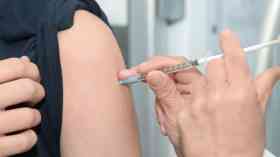
A consultation is being launched on protecting patients by mandating vaccination for frontline health and social care staff in England.

08/09/2021 - 15:02
Analysis of NHS England data has found that there is huge regional variation in the number of patients receiving NHS treatment in England.

08/09/2021 - 08:26
More than 600,000 cancer patients in the UK are facing treatment delays or missing out on vital support because of a shortage of specialist nurses.

08/09/2021 - 08:18
Latest figures indicate that four in five people aged 16 and over in the UK have received both doses of a coronavirus vaccine.

08/09/2021 - 08:09
The NHS Confederation and NHS Providers have jointly warned that the extra funding for the NHS falls far short of what is needed for patients.

07/09/2021 - 13:54
Boris Johnson has said that a new health and social care tax will be introduced across the UK to pay for reforms to the care sector and NHS funding.

07/09/2021 - 11:36
All secondary school children are now being taught about blood, organ and stem cell donation as part of the national curriculum.

07/09/2021 - 09:13
There is a link between a person’s exposure to air pollution and the severity with which they will experience the effects of coronavirus.

06/09/2021 - 20:43
The NHS will receive an extra £5.4 billion over the next six months to support its response to coronavirus and help tackle waiting lists.

06/09/2021 - 15:18
It will cost up to £16.8 billion over the remainder of this Parliament to enable the NHS to clear the backlog of people waiting for routine elective care.

06/09/2021 - 08:57
People seeking NHS help to lose weight during the pandemic are on average five pounds heavier than those starting the programme during the previous three years.

06/09/2021 - 08:32
A drop in numbers of mental health beds in the NHS have led to a steep rise in spending on private hospitals as patients are sent miles from home to be treated.

06/09/2021 - 08:00
The Office for Health Improvement and Disparities will officially launch on 1 October with the aim of tackling health inequalities across the country.

03/09/2021 - 09:39
An increase in national insurance contributions could be used for a post-pandemic boost for the NHS and to address long-term social care funding.

03/09/2021 - 09:19
Stephen Fry is backing an NHS campaign encouraging people with potential cancer symptoms to come forward for lifesaving checks.

02/09/2021 - 14:48
New figures show that 50 per cent of all teens aged 16 and 17 have had their first coronavirus jab, in the space of just four weeks.

02/09/2021 - 10:56
Men could benefit from faster diagnosis and quicker treatment of prostate cancer following the expansion of a pioneering trial of AI to analyse biopsies.
Pages
Product Features

UK Building Regulations highlight toxic gas and smoke from layers of paint built up over multiple redecorations as a major cause of permanent ill health or death in a building fire.
Their concern rose with discovery the flame retardant paints most widely used paint along escape routes have been ones which to this day counter-productively use emission of heavy toxic gas to smother flames which rapidly spread along walls if layers of paint delaminate in a fire.
Supplier Profiles

Northwich’s Victoria Infirmary (VIN) Community Diagnostic Centre (CDC) has enabled more patients

Adveco, the commercial hot water specialist, announces the launch of live metering of domestic ho
Latest Features

Sarah Greenslade, public affairs and communications officer at the British Parking Association looks at some of the problems and innovations in healthcare parking

It’s easy to assume that the comms team is there to handle press enquiries and the occasional social media storm – but the reality is that strategic communications can make a measurable impact across the entire organisation, from operational to financial, when done properly


