
This story was first published in digitalhealth.net

NHS sites too expensive for nursing staff
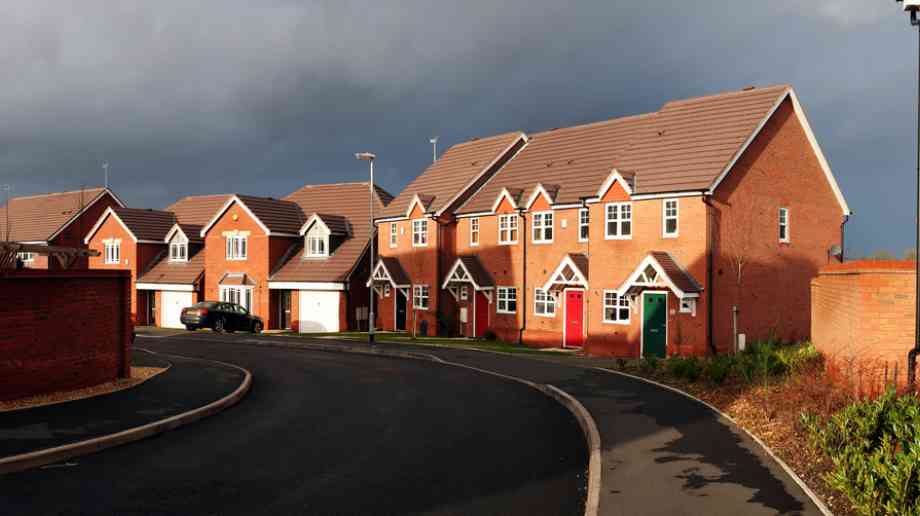
Four out of five homes built on former NHS sites that have been sold off to private developers will cost more than nurses can afford, new research shows.
Fifty-nine NHS sites have already been sold to housebuilders as part of the government’s public land sale programme to boost housing supply. But the majority will be unaffordable to nurses, according to new research from the New Economics Foundation (NEF). It found that in London none of the homes will be affordable.
The NEF also found that the new developments are not adding much to the supply of affordable or social housing.
Across the UK, only one in 10 of the homes built on the sold-off NHS sites analysed will be available at social rent. The average sale price is expected to be 10 times a nurse’s average annual salary.
The Royal College of Nursing has warned that high housing costs could force 40 per cent of nurses out of London by 2021. For newly-qualified nurses the price of a typical first-time-buyer home is 16 times their salary in inner London, seven times in the West Midlands and six times in the north-west of England.
The report, No Homes for Nurses, estimated it would take a midwife over a century to afford the deposit for a market-rate home in Enfield where Chase Farm hospital is being redeveloped into 138 residential dwellings. Only 19 per cent of them will be affordable, despite the borough having a goal of 40 per cent.
The government has identified surplus Department of Health sites with capacity for 26,000 homes. Between 2015 and 2017 it was expecting to sell sites for 4,000 homes.
In November, the government announced nurses would have first refusal on affordable housing generated through the sale of surplus NHS land. But the NEF argued that in London even affordable rent, which can be as high as 80 per cent of market rent, is not affordable for nurses.
Joe Beswick, housing lead at NEF, said: “These NHS sites are community assets – they should be used to deliver community benefits. Public land, which is owned by all of us, is being flogged off to developers so they can make massive profits, while producing a tiny amount of affordable housing.”
John Healey, Labour’s shadow secretary of state for housing, said: “This is a government with the wrong priorities on housing. Ministers should be maximising the number of new genuinely affordable homes on public land, not treating low-cost housing as an afterthought.”
A government spokesperson said: “Since April 2010 there have been more than 357,000 affordable homes provided in England, but we’re aware that more needs to be done, which is why we’re investing over £9 billion in affordable housing.
“For NHS staff in particular, we announced plans in October last year to give first refusal on affordable housing schemes built on NHS land sold for development.”
Latest News

16/02/2024 - 12:56
Hammersmith and Fulham Council has created a new alliance intended to clean dirty air and improve residents' health.

16/02/2024 - 10:44
Two million more GP appointments a month are being delivered for patients compared to the same month before the pandemic as part of the NHS primary care access recovery plan according to new NHS data.

15/02/2024 - 10:26
The Welsh Government has provided innovation funding of £380,000 to support two projects utilising technology in domiciliary care.

15/02/2024 - 10:13
The new Scottish health secretary has met with frontline staff at Queen Elizabeth University Hospital in Glasgow.

14/02/2024 - 10:27
The North East London NHS Foundation Trust (NELFT) has appointed three new Executive Directors to the Trust Board.
Product Features

UK Building Regulations highlight toxic gas and smoke from layers of paint built up over multiple redecorations as a major cause of permanent ill health or death in a building fire.
Their concern rose with discovery the flame retardant paints most widely used paint along escape routes have been ones which to this day counter-productively use emission of heavy toxic gas to smother flames which rapidly spread along walls if layers of paint delaminate in a fire.
Supplier Profiles

Northwich’s Victoria Infirmary (VIN) Community Diagnostic Centre (CDC) has enabled more patients

Adveco, the commercial hot water specialist, announces the launch of live metering of domestic ho
Latest Features

Sarah Greenslade, public affairs and communications officer at the British Parking Association looks at some of the problems and innovations in healthcare parking

It’s easy to assume that the comms team is there to handle press enquiries and the occasional social media storm – but the reality is that strategic communications can make a measurable impact across the entire organisation, from operational to financial, when done properly


