
This story was first published in digitalhealth.net

Asthma to be cured within a generation, research suggests
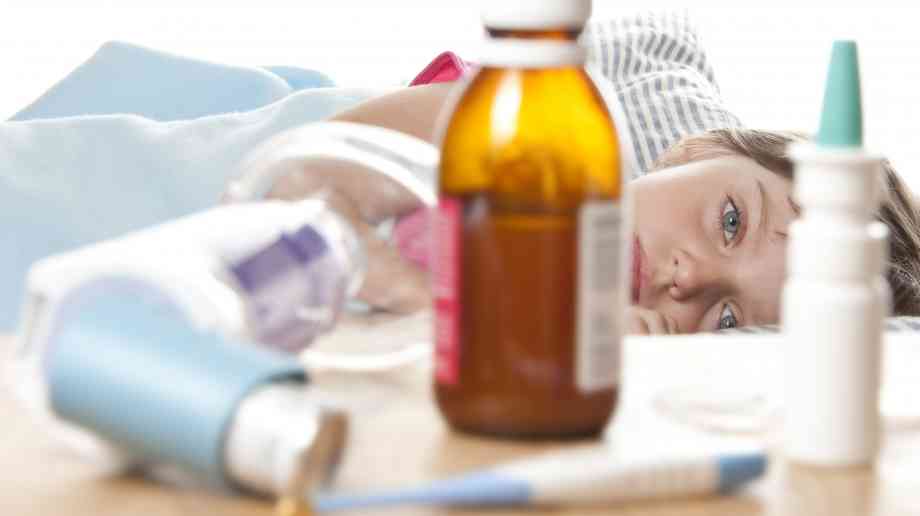
Papers published in the European Respiratory Journal have indicated that a cure for asthma could be a generation away if there were more international research collaboration and investment based on recent advances.
This news comes on World Asthma Day and has seen scientists from across Europe, working with the pharmaceutical industry (GSK and Novartis) and patient groups, to mapp out all the mechanisms of asthma and assemble a review of current knowledge and a series of recommendations.
Asthma has for a long time been incorrectly regarded as one condition, regardless of the severity and symptoms, when in fact there are many different variations of the disease.
The work was completed as part of the European Asthma Research and Innovation Partnership (EARIP), a European Commission-funded programme carried out between 2014 and 2016. Different working groups carried out extensive literature reviews and a series of Europe-wide consultations to develop a comprehensive review of the science and a roadmap of the 15 most important research and development priorities.
The researchers claimed that if the recommendations were to be funded and delivered, deaths could be reduced by 25 per cent within the next 10 years.
Professor Sebastian Johnston, lead author of one of the papers, from the National Heart and Lung Institute at Imperial College London, said: “Ten years ago we could never have imagined talking about potential cures being so close.
Having mapped all the mechanics of asthma we now have a much clearer picture of the research that needs to be done, so that we could be looking at cures for many types of asthma within a generation.”
Professor Sven-Erik Dahlén, EARIP partner and Professor of Asthma and Allergy Research at the Karolinska Institutet, Sweden, said: “For the first time ever, we have a robust, internationally agreed, ambitious roadmap for research, development and innovation that could transform the lives of more than 300 million people who currently have asthma around the world.”
“Asthma is already a global epidemic and it is predicted that prevalence could increase to 400 million by 2025. We are now calling for funders, research commissioners, institutes and industry to adopt the priorities to help achieve our ambitions to eradicate asthma.”
Dr Samantha Walker, co-ordinator of the EARIP project and co-author on three papers, said: “This was an incredibly thorough, comprehensive, scientifically sound project that involved many hundreds of contributors and which was designed to guide European research funding for decades to come. We hope that those who have the power and opportunity to address these priorities will join together to fund and deliver the necessary research to cure and prevent asthma for future generations.”
Latest News

16/02/2024 - 12:56
Hammersmith and Fulham Council has created a new alliance intended to clean dirty air and improve residents' health.

16/02/2024 - 10:44
Two million more GP appointments a month are being delivered for patients compared to the same month before the pandemic as part of the NHS primary care access recovery plan according to new NHS data.

15/02/2024 - 10:26
The Welsh Government has provided innovation funding of £380,000 to support two projects utilising technology in domiciliary care.

15/02/2024 - 10:13
The new Scottish health secretary has met with frontline staff at Queen Elizabeth University Hospital in Glasgow.

14/02/2024 - 10:27
The North East London NHS Foundation Trust (NELFT) has appointed three new Executive Directors to the Trust Board.
Product Features

UK Building Regulations highlight toxic gas and smoke from layers of paint built up over multiple redecorations as a major cause of permanent ill health or death in a building fire.
Their concern rose with discovery the flame retardant paints most widely used paint along escape routes have been ones which to this day counter-productively use emission of heavy toxic gas to smother flames which rapidly spread along walls if layers of paint delaminate in a fire.
Supplier Profiles

Northwich’s Victoria Infirmary (VIN) Community Diagnostic Centre (CDC) has enabled more patients

Adveco, the commercial hot water specialist, announces the launch of live metering of domestic ho
Latest Features

Sarah Greenslade, public affairs and communications officer at the British Parking Association looks at some of the problems and innovations in healthcare parking

It’s easy to assume that the comms team is there to handle press enquiries and the occasional social media storm – but the reality is that strategic communications can make a measurable impact across the entire organisation, from operational to financial, when done properly


