
This story was first published in digitalhealth.net

New wards to tackle Covid-19 waiting lists in Birmingham
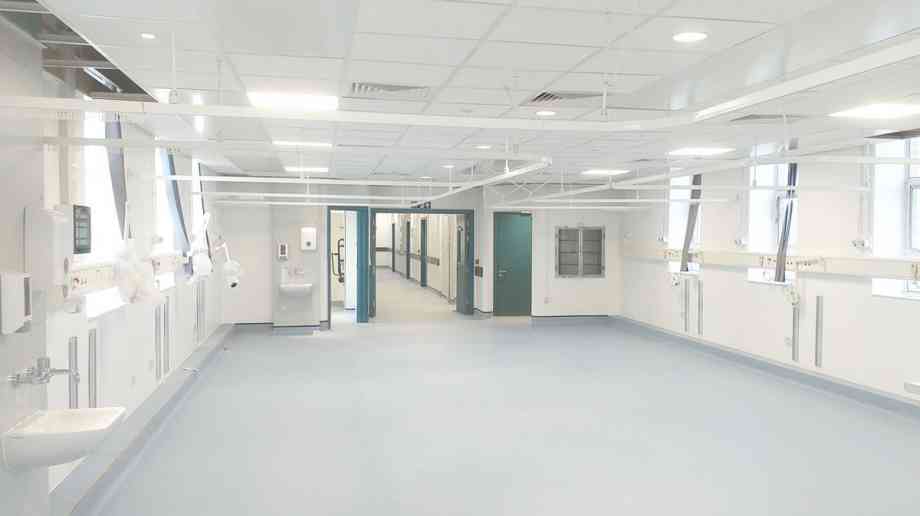
Two new wards have opened for patients at the Queen Elizabeth Hospital Birmingham, as part of the first new inpatient beds promised in capacity expansion plan.
University Hospitals Birmingham NHS Foundation Trust, which runs QEHB, was the hardest hit of any other NHS organisation in England, disproportionately experiencing 40 per cent more coronavirus cases than the next most-impacted trust.
The plan will help to tackle the growing waiting lists that have built up as a result of the pandemic. Formerly office space for many clinical and corporate colleagues, the new East 2a and East 2b wards have been refurbished to modern clinical standards, providing 47 new bed spaces for patients.
East 2a and East 2b are the first of seven new wards to be opened for the Trust. Works at Good Hope Hospital to bring on site two new modular wards is proceeding with enabling works beginning in the past three weeks, and detailed plans for two new wards at Heartlands Hospital are well underway.
Jonathan Brotherton, chief operating officer at QEB, said: “While our hospitals are still experiencing the extremely challenging effects of the pandemic, these new wards provide both hope and reassurance for the people of Birmingham and Solihull, and our front line clinicians who strive to provide the highest possible standards of care.
“Almost 400 beds are currently occupied by patients with Covid-19 across our hospitals, with 21 in ICU, this has a huge effect on our ability to provide other treatments that we would have normally used this capacity for, however these wards will help accelerate our continued recovery and treat more patients.
“Positive signs from many of our interventions are starting to show, but right now we must say a huge thank you to the incredible and dedicated teams that made these new wards happen so quickly, from the contractors at Tilbury Douglas, to the estates, facilities, pharmacy, therapy, medical engineering, nursing team and many more – our colleagues have created excellent facilities to help us deliver on our vision to build healthier lives.”
Latest News

16/02/2024 - 12:56
Hammersmith and Fulham Council has created a new alliance intended to clean dirty air and improve residents' health.

16/02/2024 - 10:44
Two million more GP appointments a month are being delivered for patients compared to the same month before the pandemic as part of the NHS primary care access recovery plan according to new NHS data.

15/02/2024 - 10:26
The Welsh Government has provided innovation funding of £380,000 to support two projects utilising technology in domiciliary care.

15/02/2024 - 10:13
The new Scottish health secretary has met with frontline staff at Queen Elizabeth University Hospital in Glasgow.

14/02/2024 - 10:27
The North East London NHS Foundation Trust (NELFT) has appointed three new Executive Directors to the Trust Board.
Product Features

UK Building Regulations highlight toxic gas and smoke from layers of paint built up over multiple redecorations as a major cause of permanent ill health or death in a building fire.
Their concern rose with discovery the flame retardant paints most widely used paint along escape routes have been ones which to this day counter-productively use emission of heavy toxic gas to smother flames which rapidly spread along walls if layers of paint delaminate in a fire.
Supplier Profiles

Northwich’s Victoria Infirmary (VIN) Community Diagnostic Centre (CDC) has enabled more patients

Adveco, the commercial hot water specialist, announces the launch of live metering of domestic ho
Latest Features

Sarah Greenslade, public affairs and communications officer at the British Parking Association looks at some of the problems and innovations in healthcare parking

It’s easy to assume that the comms team is there to handle press enquiries and the occasional social media storm – but the reality is that strategic communications can make a measurable impact across the entire organisation, from operational to financial, when done properly


