
This story was first published in digitalhealth.net

Hospitals running at 99 per cent capacity
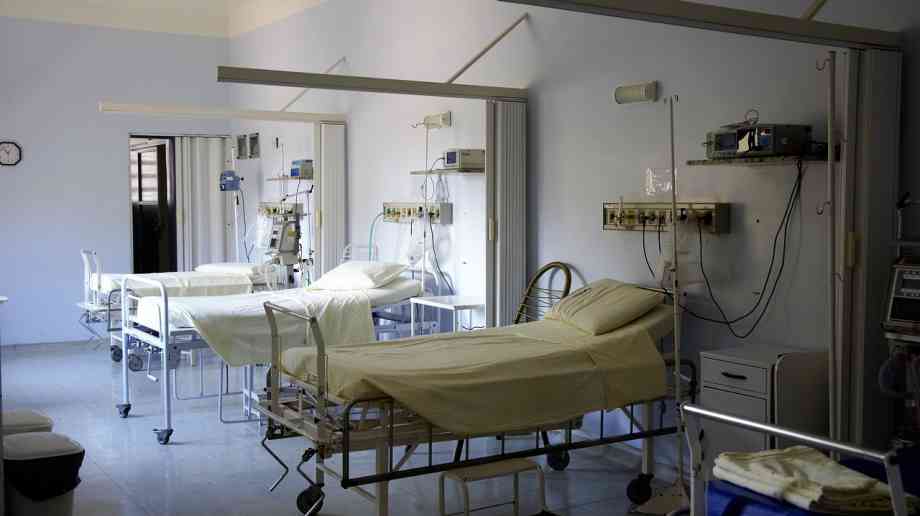
Hospitals are already 99 per cent full as the NHS prepares itself for winter - far over the 85 per cent limit experts recommend to protect patient safety.
Hospital trust chief executives have revealed that they are running close to 100 per cent bed occupancy even before the bad weather has arrived.
NHS bosses also voiced fears that patients could be harmed and staff left unable to cope with the winter surge in demand for care because their hospitals could run out of beds.
The combination of bed shortages and what the NHS calls Dtocs is a real concern owing to its potential impact on the quality of care.
Health experts agree that if more than 85 per cent of beds are occupied there is a greater risk of patients acquiring infections, ending up on wards not suitable for their illness and receiving inadequate care.
The NHS recently admitted that a £1 billion drive to free up 2,000 to 3,000 hospital beds in England by this autumn had failed. The initiative has significantly reduced delayed transfers of care in only a few areas.
The chief executive of one trust said: “We’re lucky to get below 99 per cent bed occupancy rates.We plan for winter all year round, but there’s an underlying lack of beds and resources. There is a daily battle [over where to care for patients who need to be admitted] due to the lack of beds.
“In terms of extreme pressure, we do worry. We worry about getting people into beds quickly enough.”
Another trust chief executive said: “We’re at 98 per cent capacity and 11 per cent of our beds are occupied by delayed transfer of care patients [who are medically fit to be discharged but cannot leave as social care support is not available]. Every day we have 80 to 90 patients in beds who should be somewhere else.”
Chris Hopson, chief executive of NHS Providers, said: “It is worrying to hear of occupancy rates in some places moving close to 100 per cent before winter has started.
“The health service may be sorely tested in the coming months as it is already at or close to full stretch.”
Chaand Nagpaul, chair of the British Medical Association, said: “These figures are deeply worrying and show an NHS which is now struggling to find free beds year round. The UK already has fewer beds than equivalent European nations and further cuts could exacerbate pressures, which will adversely impact patients.
“Bed occupancy remains higher than recommended safety levels of 85 per cent, and this is added to by lack of capacity in community services and social care. High levels of bed occupancy can increase the risk of cross infection between patients, and will make it difficult for many hospitals to provide beds to ill patients who desperately need to be admitted.”
A spokesman for NHS Improvement said: “The NHS is under great pressure, bed occupancy is very high in some areas and its staff are owed a huge thank you for working so hard for patients in these circumstances.
“Planning for this winter has been more effective and more extensive than ever before. We would always encourage the public to consider alternatives to going to hospital wherever possible, including their local GP or pharmacist.”
Latest News

16/02/2024 - 12:56
Hammersmith and Fulham Council has created a new alliance intended to clean dirty air and improve residents' health.

16/02/2024 - 10:44
Two million more GP appointments a month are being delivered for patients compared to the same month before the pandemic as part of the NHS primary care access recovery plan according to new NHS data.

15/02/2024 - 10:26
The Welsh Government has provided innovation funding of £380,000 to support two projects utilising technology in domiciliary care.

15/02/2024 - 10:13
The new Scottish health secretary has met with frontline staff at Queen Elizabeth University Hospital in Glasgow.

14/02/2024 - 10:27
The North East London NHS Foundation Trust (NELFT) has appointed three new Executive Directors to the Trust Board.
Product Features

UK Building Regulations highlight toxic gas and smoke from layers of paint built up over multiple redecorations as a major cause of permanent ill health or death in a building fire.
Their concern rose with discovery the flame retardant paints most widely used paint along escape routes have been ones which to this day counter-productively use emission of heavy toxic gas to smother flames which rapidly spread along walls if layers of paint delaminate in a fire.
Supplier Profiles

Northwich’s Victoria Infirmary (VIN) Community Diagnostic Centre (CDC) has enabled more patients

Adveco, the commercial hot water specialist, announces the launch of live metering of domestic ho
Latest Features

Sarah Greenslade, public affairs and communications officer at the British Parking Association looks at some of the problems and innovations in healthcare parking

It’s easy to assume that the comms team is there to handle press enquiries and the occasional social media storm – but the reality is that strategic communications can make a measurable impact across the entire organisation, from operational to financial, when done properly


