
This story was first published in digitalhealth.net

Government intends to pass minimum service level laws
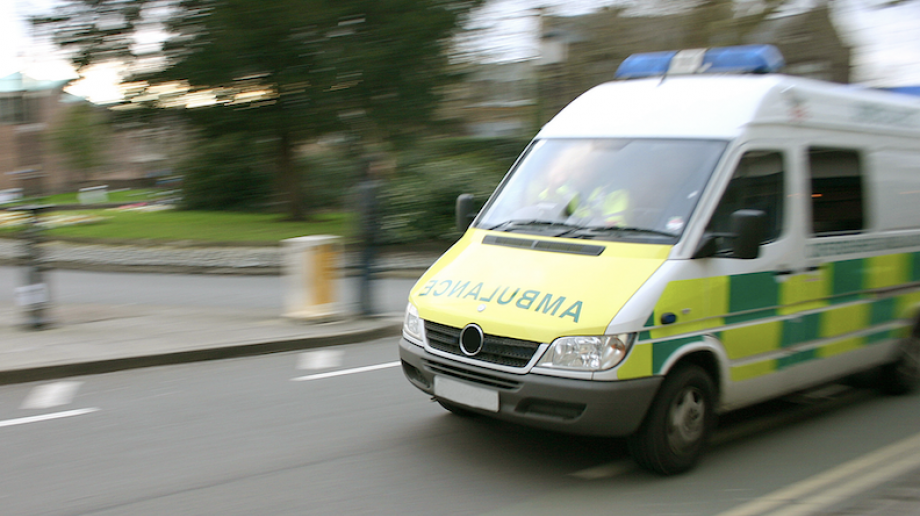
The government has announced regulations to be laid in parliament to require minimum service levels for rail workers, ambulance staff and border security staff in an attempt to "mitigate disruption and ensure vital public services continue if strikes are called".
The government stated that "the minimum service levels are designed to be effective and proportionate by balancing the ability to take strike action with ensuring we can keep our borders secure, supporting people to make important journeys including accessing work, education, and healthcare, and allowing people to get the emergency care they need".
Minimum service level regulations for ambulance workers will require that cases that are life-threatening, or where there is no reasonable clinical alternative to an ambulance response, are responded to.
Employers will be able to issue work notices to identify people who are reasonably required to work to ensure minimum service levels are met.
Unions will be required to take reasonable steps and ensure their members who are identified with a work notice comply and if a union fails to do this, they will lose their legal protection from damages claims.
Prime Minister Rishi Sunak said: "We are doing everything in our power to stop unions de-railing Christmas for millions of people. This legislation will ensure more people will be able to travel to see their friends and family and get the emergency care they need.
"We cannot go on relying on short term fixes - including calling on our Armed Forces or civil servants - to mitigate the disruption caused by strike action.
"That’s why we’re taking the right long-term decision to bring in minimum service levels, in line with other countries, to keep people safe and continue delivering the vital public services that hard-working people rely on."
Health and social care secretary Steve Barclay said: "Patients must be protected and strikes in ambulance services could put the lives and health of the public at risk, given their essential role in responding to life threatening emergencies.
"While voluntary agreements between employers and trade unions can still be agreed ahead of industrial action, these regulations provide a safety net for trusts and an assurance to the public that vital emergency services will be there when they need them.
"We will continue to take steps to protect patient safety and ensure health services have the staff they need to operate safely and effectively, no matter the circumstances."
Latest News

16/02/2024 - 12:56
Hammersmith and Fulham Council has created a new alliance intended to clean dirty air and improve residents' health.

16/02/2024 - 10:44
Two million more GP appointments a month are being delivered for patients compared to the same month before the pandemic as part of the NHS primary care access recovery plan according to new NHS data.

15/02/2024 - 10:26
The Welsh Government has provided innovation funding of £380,000 to support two projects utilising technology in domiciliary care.

15/02/2024 - 10:13
The new Scottish health secretary has met with frontline staff at Queen Elizabeth University Hospital in Glasgow.

14/02/2024 - 10:27
The North East London NHS Foundation Trust (NELFT) has appointed three new Executive Directors to the Trust Board.
Product Features

UK Building Regulations highlight toxic gas and smoke from layers of paint built up over multiple redecorations as a major cause of permanent ill health or death in a building fire.
Their concern rose with discovery the flame retardant paints most widely used paint along escape routes have been ones which to this day counter-productively use emission of heavy toxic gas to smother flames which rapidly spread along walls if layers of paint delaminate in a fire.
Supplier Profiles

Northwich’s Victoria Infirmary (VIN) Community Diagnostic Centre (CDC) has enabled more patients

Adveco, the commercial hot water specialist, announces the launch of live metering of domestic ho
Latest Features

Sarah Greenslade, public affairs and communications officer at the British Parking Association looks at some of the problems and innovations in healthcare parking

It’s easy to assume that the comms team is there to handle press enquiries and the occasional social media storm – but the reality is that strategic communications can make a measurable impact across the entire organisation, from operational to financial, when done properly


