
This story was first published in digitalhealth.net

Thérèse Coffey appointed health secretary
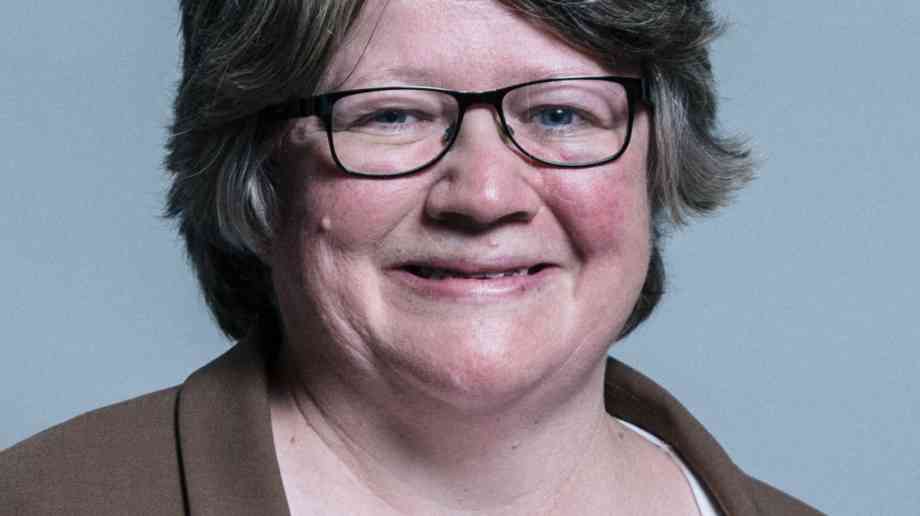
Thérèse Coffey has been appointed health secretary by new prime minister Liz Truss.
She replaces Stephen Barclay, who had been in the role for two months.
The MP for Suffolk Coastal since 2010 has previously served as work and pensions secretary, environment minister, Commons deputy leader and assistant whip.
Her appointment as health secretary has been criticised by abortion charities, given her record on abortion rights.
She is a devout Roman Catholic, and when asked about her views on abortion following the US Supreme Court ruling, she said the law was not going to change in the UK, though she would prefer people not to have abortions.
The British Pregnancy Advisory Service said her record on abortion rights was "deeply concerning".
She has previously voted against extending access to abortion care. She recently voted against making at-home abortion pills permanently available in England and Wales. In 2010, as a backbencher, she introduced a motion in Parliament, which called for mental health assessments for women seeking an abortion. She also voted against extending abortion rights to women in Northern Ireland.
Abortion charities have accused her of putting personal beliefs above expert clinical guidance.
Coffey told the BBC that abortion access already available in England will continue while she is in post. She said that as health secretary, she would focus on "what the vast majority of people use the NHS" for - ambulances, backlogs, care, doctors and dentists."
Clare Murphy, chief executive of the British Pregnancy Advisory Service (BPAS), said: "To have a health secretary who would place their personal beliefs above expert clinical guidance is deeply concerning."
She continued to say that the UK should be "a beacon for women's reproductive choice", especially after the repeal of Roe v Wade.
"Anti-abortion protest activity is escalating, with women and clinic staff facing intimidation while seeking to access and provide an NHS-funded service."
"Every week, women with complex medical conditions are forced to continue pregnancies against their will because of a lack of appointments within NHS hospital settings.
"We need a health secretary who wants to improve access to a medical procedure that one in three women will need in their lifetime, not impose further restrictions."
Stella Creasy, a labour MP who has campaigned to make abortion a human right in the UK, told the BBC: "There's every reason to believe this new administration will lead to abortion access being reduced because the new prime minister herself removed a commitment to protecting this from her own international activity.
"It's why we have to put the freedom of women in the UK to choose to have an abortion beyond interference just as the government has pledged to protect freedom of speech from interference too."
Image: Chris McAndrew / UK Parliament
Latest News

16/02/2024 - 12:56
Hammersmith and Fulham Council has created a new alliance intended to clean dirty air and improve residents' health.

16/02/2024 - 10:44
Two million more GP appointments a month are being delivered for patients compared to the same month before the pandemic as part of the NHS primary care access recovery plan according to new NHS data.

15/02/2024 - 10:26
The Welsh Government has provided innovation funding of £380,000 to support two projects utilising technology in domiciliary care.

15/02/2024 - 10:13
The new Scottish health secretary has met with frontline staff at Queen Elizabeth University Hospital in Glasgow.

14/02/2024 - 10:27
The North East London NHS Foundation Trust (NELFT) has appointed three new Executive Directors to the Trust Board.
Product Features

UK Building Regulations highlight toxic gas and smoke from layers of paint built up over multiple redecorations as a major cause of permanent ill health or death in a building fire.
Their concern rose with discovery the flame retardant paints most widely used paint along escape routes have been ones which to this day counter-productively use emission of heavy toxic gas to smother flames which rapidly spread along walls if layers of paint delaminate in a fire.
Supplier Profiles

Northwich’s Victoria Infirmary (VIN) Community Diagnostic Centre (CDC) has enabled more patients

Adveco, the commercial hot water specialist, announces the launch of live metering of domestic ho
Latest Features

Sarah Greenslade, public affairs and communications officer at the British Parking Association looks at some of the problems and innovations in healthcare parking

It’s easy to assume that the comms team is there to handle press enquiries and the occasional social media storm – but the reality is that strategic communications can make a measurable impact across the entire organisation, from operational to financial, when done properly


