
This story was first published in digitalhealth.net

At least six trusts could be overwhelmed this winter
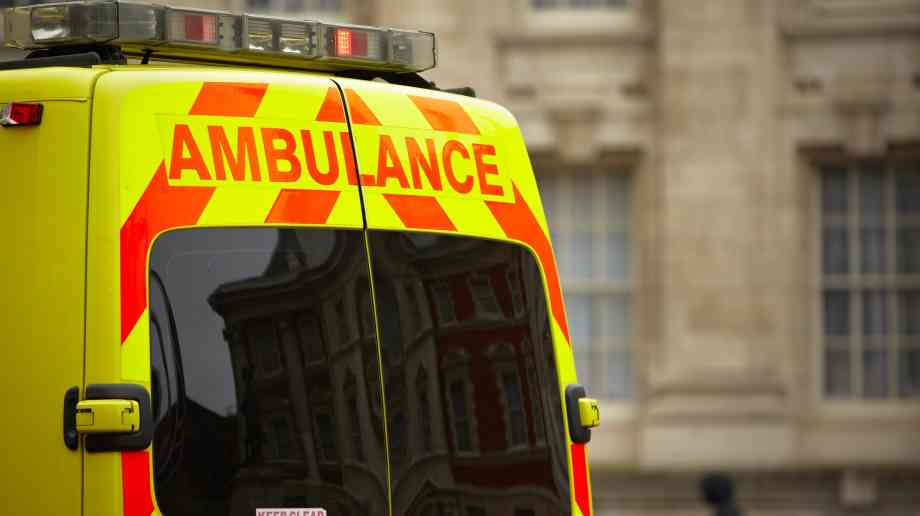
New analysis suggests that more than 100 NHS trusts in England could be at or above full capacity this winter if they faced a second wave of coronavirus admissions on top of the usual seasonal workload.
The Guardian compared each trust’s 2019/20 winter capacity against the number of beds they needed for coronavirus patients in April, when an average of 16,000 beds were required for coronavirus patients per day, and May, by which time lockdown and physical distancing had reduced the number requiring hospitalisation.
Carried out in collaboration with Edge Health, the analysis suggested that if NHS England experienced April levels of the virus pressure on top of normal winter pressures, 107 of 132 trusts (81 per cent) would have fewer beds than were available to them last winter, with 46 trusts exceeding capacity by 110 per cent or more. If they reach May’s level, 79 of 132 trusts (60 per cent) could reach capacity with seven trusts oversubscribed by at least 10 per cent compared with last year.
In either scenario, six trusts could be overwhelmed - meaning that some NHS hospitals would struggle to accommodate all seriously ill patients needing admission.
Chris Hopson, chief executive of NHS Providers, said: “These figures illustrate the point that trust leaders have strongly made over each of the last five winters – that there is insufficient acute bed capacity, and community capacity, to deal with winter demand. That’s not entirely surprising after a near decade of the longest and deepest funding squeeze in NHS history, when the NHS has been unable to grow its capacity to meet rising demand because it simply can’t afford to. We also know that our bed capacity is run at much higher levels of occupancy – often at 95 per cent or higher – than in other comparable European countries.
Niall Dickson, chief executive of the NHS Confederation, which represents organisations across the healthcare sector, said: “We are worried and our members are worried. The NHS faces a collision of pressures this winter and this feels very much like the calm before the storm. It is not just the usual winter pressures, nor even just the very real concern about another spike which could disrupt efforts to restore services. The reality is that those delivering frontline services are having to work with significant infection control measures to contain the virus, including PPE and social distancing both of which reduce productivity. They are also having to cope with staff shortages and, frankly, there are some pretty exhausted clinical and support staff who have managed through this traumatic period.”
The analysis excluded extra capacity provided through Nightingale hospitals or the private sector due to a lack of available data.
Latest News

16/02/2024 - 12:56
Hammersmith and Fulham Council has created a new alliance intended to clean dirty air and improve residents' health.

16/02/2024 - 10:44
Two million more GP appointments a month are being delivered for patients compared to the same month before the pandemic as part of the NHS primary care access recovery plan according to new NHS data.

15/02/2024 - 10:26
The Welsh Government has provided innovation funding of £380,000 to support two projects utilising technology in domiciliary care.

15/02/2024 - 10:13
The new Scottish health secretary has met with frontline staff at Queen Elizabeth University Hospital in Glasgow.

14/02/2024 - 10:27
The North East London NHS Foundation Trust (NELFT) has appointed three new Executive Directors to the Trust Board.
Product Features

UK Building Regulations highlight toxic gas and smoke from layers of paint built up over multiple redecorations as a major cause of permanent ill health or death in a building fire.
Their concern rose with discovery the flame retardant paints most widely used paint along escape routes have been ones which to this day counter-productively use emission of heavy toxic gas to smother flames which rapidly spread along walls if layers of paint delaminate in a fire.
Supplier Profiles

Northwich’s Victoria Infirmary (VIN) Community Diagnostic Centre (CDC) has enabled more patients

Adveco, the commercial hot water specialist, announces the launch of live metering of domestic ho
Latest Features

Sarah Greenslade, public affairs and communications officer at the British Parking Association looks at some of the problems and innovations in healthcare parking

It’s easy to assume that the comms team is there to handle press enquiries and the occasional social media storm – but the reality is that strategic communications can make a measurable impact across the entire organisation, from operational to financial, when done properly


