
This story was first published in digitalhealth.net

NHS long-term plan must prioritise prevention
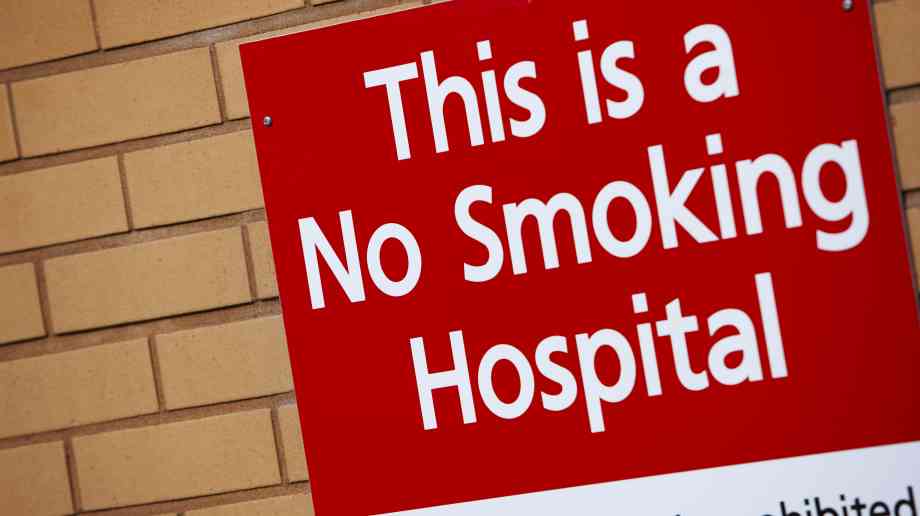
Public Health England has claimed that the NHS can help those living older enjoy better health by prioritising the prevention of smoking, cardiovascular disease (CVD) and obesity in the new long-term plan.
Speaking at the NHS Expo, Duncan Selbie, chief executive of PHE, said that the NHS long-term plan should commit to achieving a smokefree society by 2030 and a population prevalence of less than five per cent, changing the perception of smoking as a lifestyle choice to an addiction that needs medical treatment.
As well as claiming that reducing smoking rates is the single biggest thing we can do to improve the nation’s health, PHE also states that reducing smoking rates will save the NHS up to £890 million a year.
An estimated 50 to 80 per cent of CVD cases are preventable, so PHE says that the long-term plan could save 250 to 500 lives each year across England by prioritising the identification of people who are at risk of developing CVD. Furthermore, better detection and management of high blood pressure, high cholesterol and atrial fibrillation could prevent more than 9,000 heart attacks and at least 14,000 strokes from happening in the next three years.
Discussing obesity, with one in three children leave primary school overweight or obese, the childhood obesity plan has a commitment to halve the rate of childhood obesity by 2030. However, by increasing weight management support provided, and making it routine for people to have their BMI measured and recorded in primary care and pharmacy settings, Selfie says that more can eb done to tackle obesity and Type 2 diabetes.
Selbie said: “With the right long-term plan in place we can remove smoking from England, halve childhood obesity and the number of avoidable deaths from cardiovascular disease. These three priorities are where the NHS and PHE should focus efforts. It is not that other priorities won’t matter, but these will need to matter most. Successful delivery will require action from every part of civil society. We must pull together to use our resources and we must engage the public directly in the choices they are making about their own health and well-being.”
Latest News

16/02/2024 - 12:56
Hammersmith and Fulham Council has created a new alliance intended to clean dirty air and improve residents' health.

16/02/2024 - 10:44
Two million more GP appointments a month are being delivered for patients compared to the same month before the pandemic as part of the NHS primary care access recovery plan according to new NHS data.

15/02/2024 - 10:26
The Welsh Government has provided innovation funding of £380,000 to support two projects utilising technology in domiciliary care.

15/02/2024 - 10:13
The new Scottish health secretary has met with frontline staff at Queen Elizabeth University Hospital in Glasgow.

14/02/2024 - 10:27
The North East London NHS Foundation Trust (NELFT) has appointed three new Executive Directors to the Trust Board.
Product Features

UK Building Regulations highlight toxic gas and smoke from layers of paint built up over multiple redecorations as a major cause of permanent ill health or death in a building fire.
Their concern rose with discovery the flame retardant paints most widely used paint along escape routes have been ones which to this day counter-productively use emission of heavy toxic gas to smother flames which rapidly spread along walls if layers of paint delaminate in a fire.
Supplier Profiles

Northwich’s Victoria Infirmary (VIN) Community Diagnostic Centre (CDC) has enabled more patients

Adveco, the commercial hot water specialist, announces the launch of live metering of domestic ho
Latest Features

Sarah Greenslade, public affairs and communications officer at the British Parking Association looks at some of the problems and innovations in healthcare parking

It’s easy to assume that the comms team is there to handle press enquiries and the occasional social media storm – but the reality is that strategic communications can make a measurable impact across the entire organisation, from operational to financial, when done properly


