
This story was first published in digitalhealth.net


18/08/2020 - 13:52
The National Institute for Health Protection has been formally created to advance the UK’s response to the coronavirus pandemic.

18/08/2020 - 09:21
Dido Harding has controversially been chosen to run the new institute set to replace Public Health England.
18/08/2020 - 09:13
The majority of doctors think ambitions to get the NHS back to near-normal service by autumn are unlikely to be realised.

17/08/2020 - 16:02
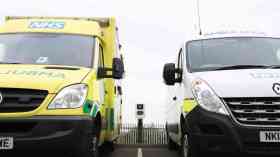
NHS figures show that almost a million people waited at least half an hour for an ambulance after having a medical emergency last year.

17/08/2020 - 11:34
Up to 10,000 chemotherapy home deliveries were made over three months at the peak of the coronavirus outbreak.
17/08/2020 - 08:40
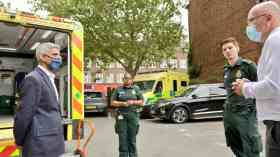
Sadiq Khan has unveiled a new training centre which will help enable the training of more emergency call handlers in East London.

17/08/2020 - 08:28
The government is encouraging more people to join the thousands of volunteers and sign up to the NHS Covid-19 Vaccine Research Registry.

17/08/2020 - 07:28
£5 million in funding will help support people to stay connected and maintain their health and well-being following the pandemic.
17/08/2020 - 06:54
Public Health England is to be replaced by a new agency that will specifically deal with protecting against pandemics.
14/08/2020 - 10:49
Data released by NHS England shows that the number of people in hospital with coronavirus fell in coronavirus hotspots in June and July.

14/08/2020 - 09:39
The government has signed deals for a further 90 million doses of coronavirus vaccine, taking its potential stockpile to 340 million doses.
14/08/2020 - 09:31
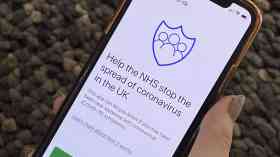
NHS Providers has highlighted the size of the task ahead to build a national test and trace service that will be fit for purpose this winter.
13/08/2020 - 11:56
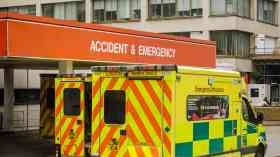
The number of patients admitted for routine treatment in hospitals was down 67 per cent in June compared with the same time last year.

13/08/2020 - 10:53
The revamped coronavirus contact-tracing app is set to begin public trials, after initial trials were halted in June.

13/08/2020 - 09:48
NHS England has said that staff will be given ‘Covid-19 passports’ to help hospitals redeploy workers during a feared second wave of infection.

13/08/2020 - 09:23
A BMA survey of doctors during the pandemic has revealed significant levels of long-term coronavirus symptoms in patients and doctors.
13/08/2020 - 09:04
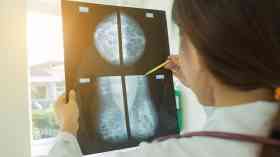
Screening women for breast cancer from their 40s rather than their 50s could save lives without adding to the diagnosis of harmless cancers.

12/08/2020 - 15:44
Professional NHS communicators have become more influential and have developed an enhanced strategic role during the coronavirus pandemic.
Pages
Product Features

UK Building Regulations highlight toxic gas and smoke from layers of paint built up over multiple redecorations as a major cause of permanent ill health or death in a building fire.
Their concern rose with discovery the flame retardant paints most widely used paint along escape routes have been ones which to this day counter-productively use emission of heavy toxic gas to smother flames which rapidly spread along walls if layers of paint delaminate in a fire.
Supplier Profiles

Northwich’s Victoria Infirmary (VIN) Community Diagnostic Centre (CDC) has enabled more patients

Adveco, the commercial hot water specialist, announces the launch of live metering of domestic ho
Latest Features

Sarah Greenslade, public affairs and communications officer at the British Parking Association looks at some of the problems and innovations in healthcare parking

It’s easy to assume that the comms team is there to handle press enquiries and the occasional social media storm – but the reality is that strategic communications can make a measurable impact across the entire organisation, from operational to financial, when done properly


