
This story was first published in digitalhealth.net

RAC calls for reform of hospital parking
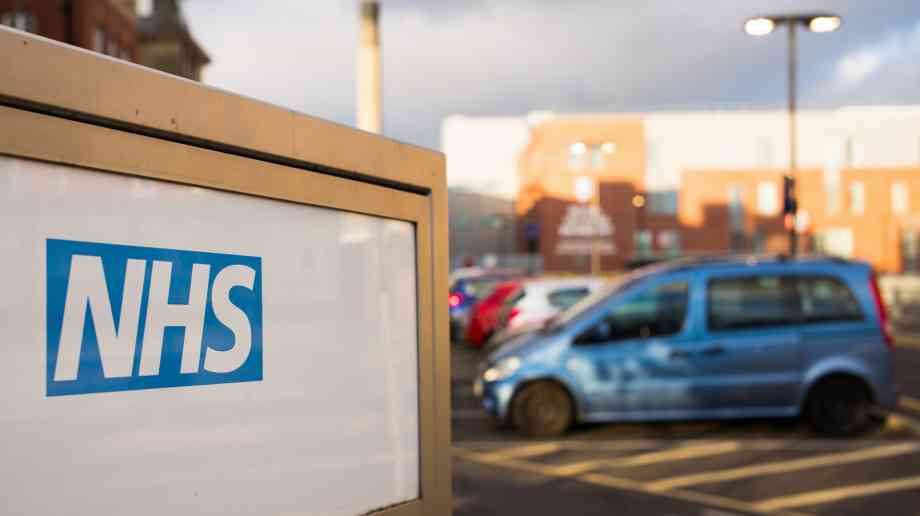
A Freedom of Information request submitted by the RAC has brought has revealed 38 per cent of trusts offer no credit or debit card payment option for on-site parking, highlighting most visitors have bigger concerns on their mind than finding cash.
In total, 164 of England’s 206 hospital trusts responded to the request, of which 125 operate chargeable car parks.
The data indicated that one in three require a payment upfront, meaning those arriving without cash are left in a challenging situation. The findings follow a separate report by the RAC in 2016 which found hospital parking charges to be the most unpopular of all parking fees.
The same report showed 53 per cent of respondents believed hospital parking machines should always accept cards.
Simon Williams, spokesman for the RAC, said: “These figures show that in many cases it is still too difficult for people to pay to park when they make a visit to a hospital in England, with drivers still expected to carry pocketfuls of change in order to park legally – despite the advent first of credit and debit card payments, and now contactless and mobile payment technology.
“In the 21st century, we also think it is unreasonable to expect drivers to have to estimate how long their visit to hospital might take – payment on exit, while perhaps not appropriate for smaller hospital car parks, should be rolled out at larger sites as far as it is practicable.”
Williams added: “We’re not calling for changes to be brought in overnight. We acknowledge the financial pressures trusts are under, and while we accept their need to charge we would like to see hospitals publish details of when patients and visitors might expect car park payment facilities to be upgraded – and to begin working with operators that run car parks on their behalf to achieve the necessary changes.”
Latest News

16/02/2024 - 12:56
Hammersmith and Fulham Council has created a new alliance intended to clean dirty air and improve residents' health.

16/02/2024 - 10:44
Two million more GP appointments a month are being delivered for patients compared to the same month before the pandemic as part of the NHS primary care access recovery plan according to new NHS data.

15/02/2024 - 10:26
The Welsh Government has provided innovation funding of £380,000 to support two projects utilising technology in domiciliary care.

15/02/2024 - 10:13
The new Scottish health secretary has met with frontline staff at Queen Elizabeth University Hospital in Glasgow.

14/02/2024 - 10:27
The North East London NHS Foundation Trust (NELFT) has appointed three new Executive Directors to the Trust Board.
Product Features

UK Building Regulations highlight toxic gas and smoke from layers of paint built up over multiple redecorations as a major cause of permanent ill health or death in a building fire.
Their concern rose with discovery the flame retardant paints most widely used paint along escape routes have been ones which to this day counter-productively use emission of heavy toxic gas to smother flames which rapidly spread along walls if layers of paint delaminate in a fire.
Supplier Profiles

Northwich’s Victoria Infirmary (VIN) Community Diagnostic Centre (CDC) has enabled more patients

Adveco, the commercial hot water specialist, announces the launch of live metering of domestic ho
Latest Features

Sarah Greenslade, public affairs and communications officer at the British Parking Association looks at some of the problems and innovations in healthcare parking

It’s easy to assume that the comms team is there to handle press enquiries and the occasional social media storm – but the reality is that strategic communications can make a measurable impact across the entire organisation, from operational to financial, when done properly


