
This story was first published in digitalhealth.net

Lung roadshow tours England
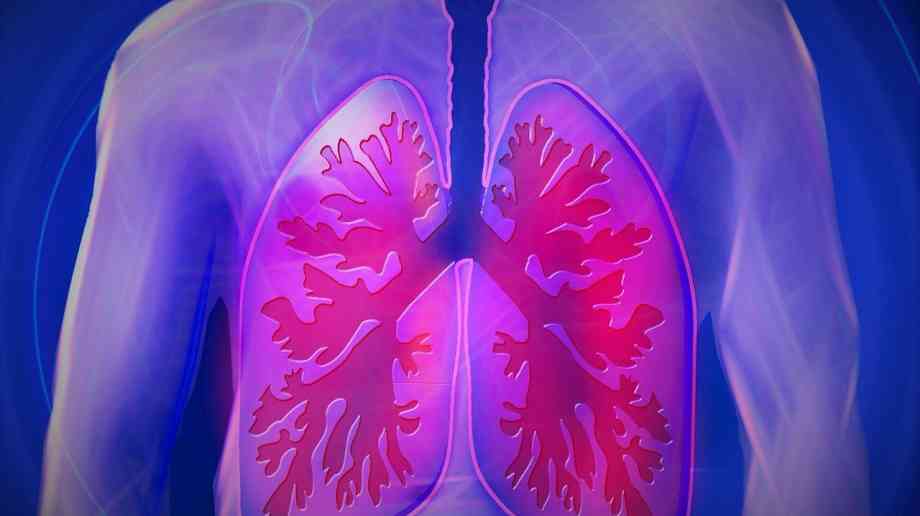
Giant inflatable lungs are on a tour of the UK, to raise awareness of potential cancer symptoms and help catch cancer earlier.
The Let’s Talk Lung Cancer roadshow, run between the NHS and Roy Castle Lung Foundation will visit thousands of people in England’s lung cancer hotspots.
The roadshow comes at a time when new survey data reveals just two in five respondents (41%) would see their GP if they had a persistent cough for three weeks or more.
Half of the survey respondents also believed that lung cancer only affects a small amount of people every year in England, when in fact it’s the leading cause of cancer deaths in the UK.
One in seven (14%) people believe that lung cancer only affects smokers.
NHS national clinical director for cancer, Professor Peter Johnson, said: “While lung cancer is one of the most common cancers, with tens of thousands of people diagnosed each year, our recent survey found that half of people believe lung cancer only affects a small amount of people every year, with many admitting they would not see their GP for a persistent cough of three weeks or more.
“This is exactly why the NHS is running awareness campaigns like our inflatable lung roadshow, which is going into the heart of communities to catch people’s attention, start a conversation about cancer, and raise awareness about symptoms and when to get checked out.
“Talking about cancer saves lives, and our message to the public is simple – don’t hold off if you have worrying symptoms such as a persistent cough or aches and pains when breathing – it might not be cancer but catching it early gives people the best chance of treating it”.
Chief executive of Roy Castle Lung Cancer Foundation, Paula Chadwick, said: “It is staggering that half of those surveyed still do not know how prevalent lung cancer is. We believe this stems from a reluctance, even aversion, to talking about lung cancer, and that is largely because of its links to smoking and associated stigma.
“That’s why these events are so important. They give us the opportunity to have one-on-one conversations with people who may not realise they are at risk, who may not recognise potential symptoms or could feel unable to act on them.
“If we can help just one person get diagnosed earlier when lung cancer can be treated more easily, then that is worth doing”.
Latest News

16/02/2024 - 12:56
Hammersmith and Fulham Council has created a new alliance intended to clean dirty air and improve residents' health.

16/02/2024 - 10:44
Two million more GP appointments a month are being delivered for patients compared to the same month before the pandemic as part of the NHS primary care access recovery plan according to new NHS data.

15/02/2024 - 10:26
The Welsh Government has provided innovation funding of £380,000 to support two projects utilising technology in domiciliary care.

15/02/2024 - 10:13
The new Scottish health secretary has met with frontline staff at Queen Elizabeth University Hospital in Glasgow.

14/02/2024 - 10:27
The North East London NHS Foundation Trust (NELFT) has appointed three new Executive Directors to the Trust Board.
Product Features

UK Building Regulations highlight toxic gas and smoke from layers of paint built up over multiple redecorations as a major cause of permanent ill health or death in a building fire.
Their concern rose with discovery the flame retardant paints most widely used paint along escape routes have been ones which to this day counter-productively use emission of heavy toxic gas to smother flames which rapidly spread along walls if layers of paint delaminate in a fire.
Supplier Profiles

Northwich’s Victoria Infirmary (VIN) Community Diagnostic Centre (CDC) has enabled more patients

Adveco, the commercial hot water specialist, announces the launch of live metering of domestic ho
Latest Features

Sarah Greenslade, public affairs and communications officer at the British Parking Association looks at some of the problems and innovations in healthcare parking

It’s easy to assume that the comms team is there to handle press enquiries and the occasional social media storm – but the reality is that strategic communications can make a measurable impact across the entire organisation, from operational to financial, when done properly


