
This story was first published in digitalhealth.net

50 million NHS masks rejected over safety concerns
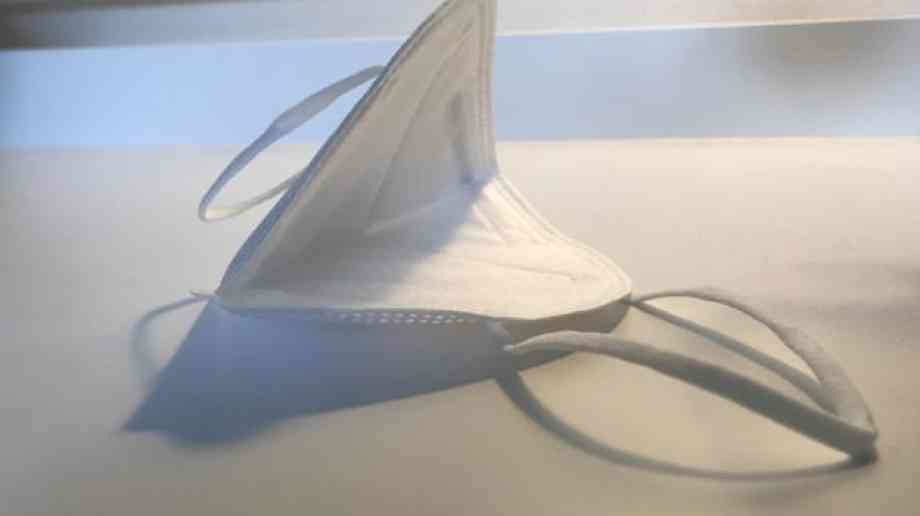
It has been revealed that 50 million face masks bought by the government in April will not be used in the NHS because of safety concerns.
Purchased for healthcare workers from supplier Ayanda Capital as part of a £252 million contract, the government has conceded that the masks, which use ear-loop fastenings rather than head loops, may not fit tightly enough.
The most expensive part of the order consisted of 50 million FFP2 respirator masks, which are designed to protect healthcare workers from inhaling harmful particles. To be effective these types of face mask need to fit tightly to create a seal between the mask and the wearer's face, with anyone who wears them for work required to undergo a face fit test.
Ayanda says the masks meet the specifications the government had set out. It is not clear what will happen now to the 50 million masks.
Ayanda Capital also supplied 150 million Type IIR masks, which the government says are unaffected. Most have now been delivered but they have not yet been released for use in the NHS and are awaiting further testing.
The NHS experienced severe shortages of personal protective equipment in its early response to the coronavirus pandemic and saw a number of ‘quick’ attempts to counter the issue fail. At the start of May it was revealed that approximately 400,000 surgical gowns ordered from Turkey to help frontline health staff tackle coronavirus in UK hospitals did not meet British safety standards, and were consequently returned.
In related news, it has also been revealed that the person who originally approached the government about the deal was a government trade adviser who also advises the board of Ayanda. He maintains that his position played no part in the awarding of the contract.
The Good Law Project, which is seeking to challenge the government in the courts over three PPE contracts it awarded, including Ayanda Capital’s, has recently argued that government's awarding of contracts directly to companies during the pandemic, rather than opening them to competition, may have been unlawful.
Jolyon Maugham, the Good Law Project's director, said: “It's taken this extraordinary sum of public funds and wasted it on PPE that it itself says cannot be released for use in the NHS because it's not safe. We do think that it's important that the court take a look at these contracts, that it declare them to be unlawful and that there be full transparency of how these staggering amounts of public money have been spent."
Latest News

16/02/2024 - 12:56
Hammersmith and Fulham Council has created a new alliance intended to clean dirty air and improve residents' health.

16/02/2024 - 10:44
Two million more GP appointments a month are being delivered for patients compared to the same month before the pandemic as part of the NHS primary care access recovery plan according to new NHS data.

15/02/2024 - 10:26
The Welsh Government has provided innovation funding of £380,000 to support two projects utilising technology in domiciliary care.

15/02/2024 - 10:13
The new Scottish health secretary has met with frontline staff at Queen Elizabeth University Hospital in Glasgow.

14/02/2024 - 10:27
The North East London NHS Foundation Trust (NELFT) has appointed three new Executive Directors to the Trust Board.
Product Features

UK Building Regulations highlight toxic gas and smoke from layers of paint built up over multiple redecorations as a major cause of permanent ill health or death in a building fire.
Their concern rose with discovery the flame retardant paints most widely used paint along escape routes have been ones which to this day counter-productively use emission of heavy toxic gas to smother flames which rapidly spread along walls if layers of paint delaminate in a fire.
Supplier Profiles

Northwich’s Victoria Infirmary (VIN) Community Diagnostic Centre (CDC) has enabled more patients

Adveco, the commercial hot water specialist, announces the launch of live metering of domestic ho
Latest Features

Sarah Greenslade, public affairs and communications officer at the British Parking Association looks at some of the problems and innovations in healthcare parking

It’s easy to assume that the comms team is there to handle press enquiries and the occasional social media storm – but the reality is that strategic communications can make a measurable impact across the entire organisation, from operational to financial, when done properly


