
This story was first published in digitalhealth.net

Director of Pandemic Sciences Institute calls on leaders to invest in pandemic preparedness
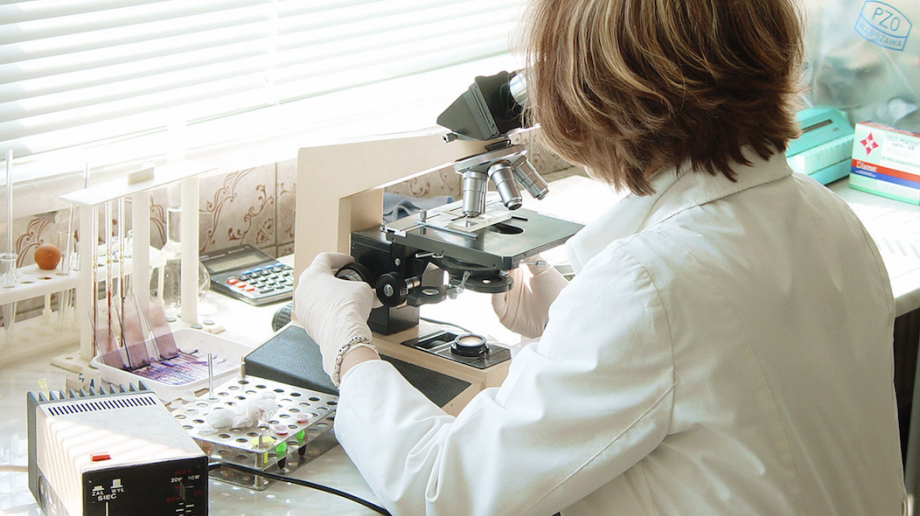
The director of a new UK institute to fight future outbreaks of infectious diseases had told global leaders ‘to put your money where your mouth is’ and invest in pandemic preparedness.
Professor Sir Peter Horby is the leader of the new Pandemic Sciences Institute (PSI), which has been founded by University of Oxford experts to identify and better respond to pandemic threats.
The aims of the institute include helping the UK and the rest of the world to deliver diagnostics, therapeutics and vaccines within 100 days of the start of the next pandemic. This goal was unveiled by G7 leaders last year.
Speaking to reporters, Professor Sir Peter Horby said there has been “a lot of political rhetoric around preventing another Covid-19 style pandemic” but then continued: “what we haven't yet seen is the investment to back that rhetoric up.
“There needs to be that investment.
“Currently our fundraising has mostly been from philanthropic sources, or from industry, and we're not seeing the investment that we would want from national governments – not just our own – but national governments around the world.
“I think we need to hold them to task for that if we're going to have statements that we want drugs, diagnostics, vaccines, ready in 100 days. You've got to put your money where your mouth is and make the investments to make that happen.”
The PSI has already raised around £100m for programmatic costs and construction of a new building.
The institute is set to have its own labs to investigate high-threat pathogens and look at viruses that have the potential to cause further outbreaks including Sars-CoV-2, nipah virus and the monkeypox virus.
Experts from different fields will work together to learn from the lessons of Covid and refine diagnostics, drugs, vaccines and surveillance to help counter the next pandemic threat.
Sir Peter highlighted the rapid response to Covid-19 in showing what the scientific community was capable of, saying: “We saw vaccines developed at lightning speed, we saw therapeutic trials set up in just nine days. We saw new diagnostics, and we saw new public health interventions. And all of those have made a very real difference saving lives. And if we can do that during the emergency, we should be able to achieve that during peacetime as well.”
There is a UK Vaccine Manufacturing Innovation Centre (VMIC) near Oxford, which was meant to be part of the country's pandemic defences, however it has since been sold to the private sector. The completion date was brought forward, because of the pandemic. It was built to develop a state-run vaccine manufacturing network and speed up vaccine production in the event of an outbreak of an infectious disease. However, since it has been sold, it will no longer be performing this role
Professor Dame Sarah Gilbert, Professor of Vaccinology at the University of Oxford, said this was a shame.
“I’m disappointed that VMIC won't be able to fulfil the role that we had planned for it. It was planned as a flexible facility that could manufacture more than one vaccine technology and be able to respond as needed.”
She added: “We want to be in a position, as Peter said, within 100 days of knowing about a new pandemic, having the tools ready to deal with that so that we don't find ourselves in a situation where a virus has spread around the world and there's no prospect of containing it."
Latest News

16/02/2024 - 12:56
Hammersmith and Fulham Council has created a new alliance intended to clean dirty air and improve residents' health.

16/02/2024 - 10:44
Two million more GP appointments a month are being delivered for patients compared to the same month before the pandemic as part of the NHS primary care access recovery plan according to new NHS data.

15/02/2024 - 10:26
The Welsh Government has provided innovation funding of £380,000 to support two projects utilising technology in domiciliary care.

15/02/2024 - 10:13
The new Scottish health secretary has met with frontline staff at Queen Elizabeth University Hospital in Glasgow.

14/02/2024 - 10:27
The North East London NHS Foundation Trust (NELFT) has appointed three new Executive Directors to the Trust Board.
Product Features

UK Building Regulations highlight toxic gas and smoke from layers of paint built up over multiple redecorations as a major cause of permanent ill health or death in a building fire.
Their concern rose with discovery the flame retardant paints most widely used paint along escape routes have been ones which to this day counter-productively use emission of heavy toxic gas to smother flames which rapidly spread along walls if layers of paint delaminate in a fire.
Supplier Profiles

Northwich’s Victoria Infirmary (VIN) Community Diagnostic Centre (CDC) has enabled more patients

Adveco, the commercial hot water specialist, announces the launch of live metering of domestic ho
Latest Features

Sarah Greenslade, public affairs and communications officer at the British Parking Association looks at some of the problems and innovations in healthcare parking

It’s easy to assume that the comms team is there to handle press enquiries and the occasional social media storm – but the reality is that strategic communications can make a measurable impact across the entire organisation, from operational to financial, when done properly


