
This story was first published in digitalhealth.net

Improving cancer end of life care could save £4.6 million a year
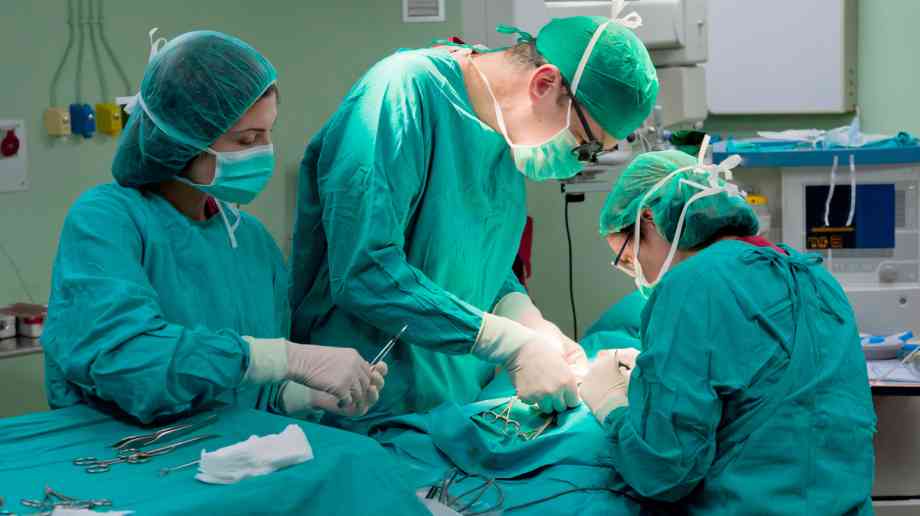
New collaborative research has argued that people with the four most common cancers are more likely to be admitted to hospital as an emergency in the last six months of their lives, which is increasing the cost of their care.
Published in Health Affairs, the study analysed data from England’s National Cancer Registry on 250,000 people, examining how the cost of hospital care for cancer patients in the last six months of their lives varies by socioeconomic deprivation.
It found that people with breast, bowel, prostate or lung cancer living in the most deprived parts of England are more likely to be admitted to hospital as an emergency and are also more likely to spend longer in hospital following an emergency admission.
This means that hospital care during the last six months of life for people with cancer living in the most deprived areas of England costs: £526 more per patient for breast cancer, £564 more per patient for prostate cancer and £456 more per patient for bowel cancer.
Macmillan Cancer Support, who funded the research, emphasised the ‘unacceptable’ variation in access to specialist end of life care, arguing that providing people with advanced cancer with the support they need could help avoid costly and distressing emergency admissions.
Adrienne Betteley, Macmillan Cancer Support’s specialist advisor for End of Life Care, said: “Access to the right care and support when you have advanced cancer should not depend on where you are from, or your socioeconomic background. Yet too many people from the poorest parts of England are having to rely on emergency care towards the end of their lives, which can be incredibly traumatic for both patients and their families.
“Alongside the great human cost, there’s a huge financial implication of poor access to care for dying people. That’s why it’s vitally important for the new Government to keep its promises about improving end of life care – which it committed to a year ago today, and repeated in its General Election manifesto.”
Dr Mauro Laudicella, one of the authors of the paper, added: “What our study shows is that there are significant disparities in end-of-life hospital treatment costs for cancer patients in England, largely due to a greater use of emergency care in patients from most deprived areas. In contrast, use of elective care is more prevalent in patients from less deprived areas of England.
“Managing the health care needs of patients from most deprived areas more effectively could potentially reduce such disparities in costs, through the use of planned rather than emergency care, and a more effective use of palliative care. By investing in patients early on in their cancer journey, the NHS can slow down the spiralling cost of care, and ensure that in the future everyone who has cancer will be able to get the care they need.”
The research was undertaken by City, University of London and the Economic and Social Research Institute.
Latest News

16/02/2024 - 12:56
Hammersmith and Fulham Council has created a new alliance intended to clean dirty air and improve residents' health.

16/02/2024 - 10:44
Two million more GP appointments a month are being delivered for patients compared to the same month before the pandemic as part of the NHS primary care access recovery plan according to new NHS data.

15/02/2024 - 10:26
The Welsh Government has provided innovation funding of £380,000 to support two projects utilising technology in domiciliary care.

15/02/2024 - 10:13
The new Scottish health secretary has met with frontline staff at Queen Elizabeth University Hospital in Glasgow.

14/02/2024 - 10:27
The North East London NHS Foundation Trust (NELFT) has appointed three new Executive Directors to the Trust Board.
Product Features

UK Building Regulations highlight toxic gas and smoke from layers of paint built up over multiple redecorations as a major cause of permanent ill health or death in a building fire.
Their concern rose with discovery the flame retardant paints most widely used paint along escape routes have been ones which to this day counter-productively use emission of heavy toxic gas to smother flames which rapidly spread along walls if layers of paint delaminate in a fire.
Supplier Profiles

Northwich’s Victoria Infirmary (VIN) Community Diagnostic Centre (CDC) has enabled more patients

Adveco, the commercial hot water specialist, announces the launch of live metering of domestic ho
Latest Features

Sarah Greenslade, public affairs and communications officer at the British Parking Association looks at some of the problems and innovations in healthcare parking

It’s easy to assume that the comms team is there to handle press enquiries and the occasional social media storm – but the reality is that strategic communications can make a measurable impact across the entire organisation, from operational to financial, when done properly


