
This story was first published in digitalhealth.net

Cancer signs can appear long before diagnosis
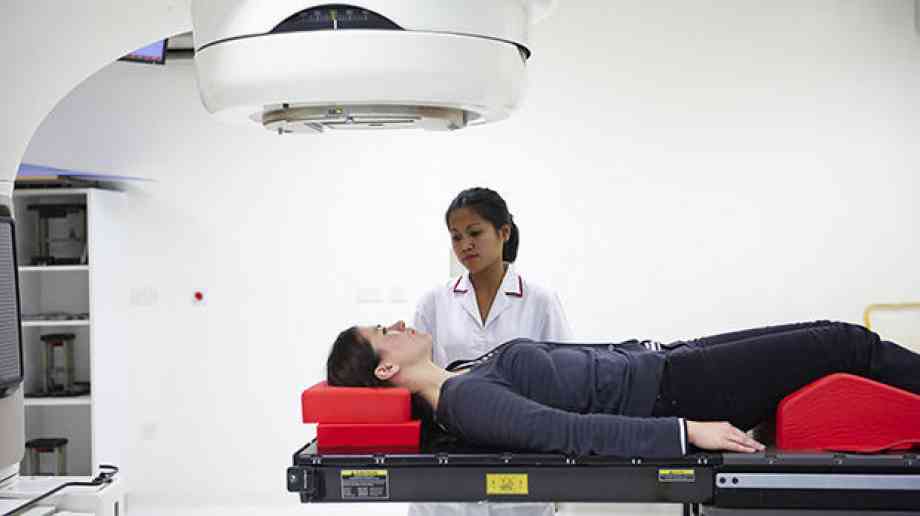
New research led by the Francis Crick Institute has claimed that early signs of cancer can appear years before diagnosis and developing tests for these genetic signs could provide new ways to spot cancer early.
Published in Nature, the study analysed 47 million genetic changes in more than 2,500 human tumours, across 38 cancer types. By looking at how many times a single change had been replicated and copied across chromosomes, the researchers were able to determine the order in which they happened and the relative timing between them.
The research discovered that just over 20 per cent of mutations can be considered early events in a tumour’s development, with some of these changes taking place years, even decades, before the cancer is found. Half of these fall within the same nine genes, meaning there is a small number of genes that are common drivers of early cancer development.
Peter Van Loo, co-lead author, said: “We’ve developed the first timelines of genetic mutations across the spectrum of cancer types. For more than 30 cancers, we now know what specific genetic changes are likely to happen, and when these are likely to take place. Unlocking these patterns means it should now be possible to develop new diagnostic tests, that pick up signs of cancer much earlier.”
The research identified cancer types in which mutations tend to happen particularly early, for example, ovarian cancer and two types of brain tumours, glioblastoma and medulloblastoma. It also revealed the specific changes that are likely to happen early in each of the more than 30 cancer types. One of the most common early changes in many cancers, including ovarian cancer, affects a gene called TP53. In glioblastoma, an extra copy of chromosome 7 is very frequently gained early, while for pancreatic neuroendocrine cancer a number of chromosomes are lost in the initial stages of tumour development.
Latest News

16/02/2024 - 12:56
Hammersmith and Fulham Council has created a new alliance intended to clean dirty air and improve residents' health.

16/02/2024 - 10:44
Two million more GP appointments a month are being delivered for patients compared to the same month before the pandemic as part of the NHS primary care access recovery plan according to new NHS data.

15/02/2024 - 10:26
The Welsh Government has provided innovation funding of £380,000 to support two projects utilising technology in domiciliary care.

15/02/2024 - 10:13
The new Scottish health secretary has met with frontline staff at Queen Elizabeth University Hospital in Glasgow.

14/02/2024 - 10:27
The North East London NHS Foundation Trust (NELFT) has appointed three new Executive Directors to the Trust Board.
Product Features

UK Building Regulations highlight toxic gas and smoke from layers of paint built up over multiple redecorations as a major cause of permanent ill health or death in a building fire.
Their concern rose with discovery the flame retardant paints most widely used paint along escape routes have been ones which to this day counter-productively use emission of heavy toxic gas to smother flames which rapidly spread along walls if layers of paint delaminate in a fire.
Supplier Profiles

Northwich’s Victoria Infirmary (VIN) Community Diagnostic Centre (CDC) has enabled more patients

Adveco, the commercial hot water specialist, announces the launch of live metering of domestic ho
Latest Features

Sarah Greenslade, public affairs and communications officer at the British Parking Association looks at some of the problems and innovations in healthcare parking

It’s easy to assume that the comms team is there to handle press enquiries and the occasional social media storm – but the reality is that strategic communications can make a measurable impact across the entire organisation, from operational to financial, when done properly


