
This story was first published in digitalhealth.net

Three quarters of dentists unsure of full service resumption
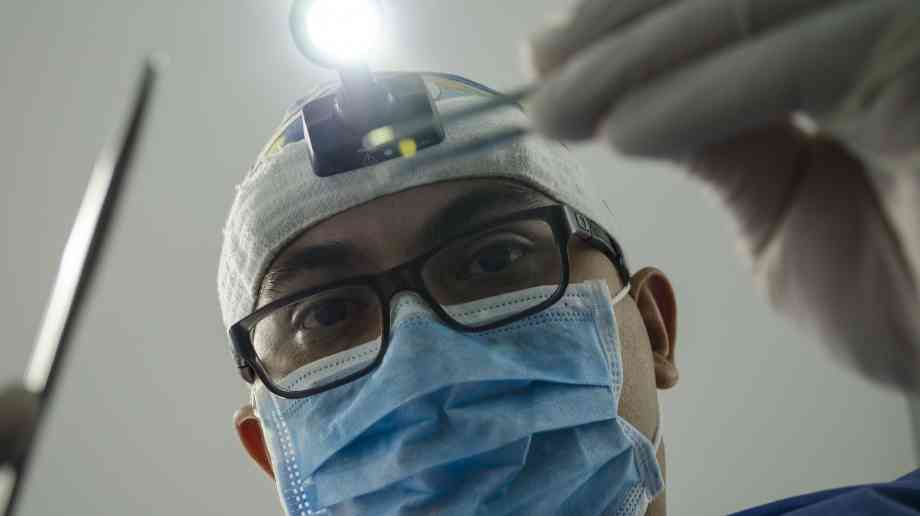
A new survey has revealed that 74 per cent of dentists are unsure whether they will be able to provide a full service this year or don’t know when they will be able to do so.
The Faculty of Dental Surgery at the Royal College of Surgeons of England surveyed more than 450 dentists to understand what barriers remain to resuming services, which were cancelled in the wider efforts to prevent the spread of coronavirus.
As dental services began to resume over the summer, 96 per cent of dentists surveyed said they were providing a service, but not the ‘full service’ that they would have provided before the pandemic. Private practice respondents were considerably more likely to have provided vitally important ‘aerosol generating’ procedures, most commonly associated with the use of a normal dental drill, with 83 per cent having done so. In NHS hospital practice, this fell to 62 per cent, and fell further to 40 per cent in NHS general dental practice.
When looking ahead, 34 per cent of respondents did not know when they would fully resume services, with a further 36 per cent saying they did not expect to resume full pre-pandemic services until 2021. Overall, 74 per cent said they would be unable to provide a full service this year or don’t know when they will be able to do so.
Comments revealed that time taken between each patient to comply with new infection control protocols brought in because of Covid-19 was slowing down how many patients could be seen. Dentists are seeing far fewer patients per ‘session’ (half day) than prior to the pandemic. Where 46 er cent of dentists were able to see more than 10 patients each morning or afternoon before the pandemic, only seven per cent can say the same now.
Leading dental surgeons have stressed that services ‘should not be switched off again’ in a second wave, as dentistry is an essential part of healthcare. In a new report, A resumption of dental services?, the Faculty of Dental Surgery calls on the government to: keep dentistry open throughout the remaining ‘stages’ of the Covid-19 pandemic, using PPE and infection prevention measures to mitigate risks and keep patients safe; ensure adequate PPE across regions and settings; and tackle the barriers to full resumption of dental care, particularly ‘fallow time’, by promoting and monitoring the use of ventilation systems to increase the number of ‘air changes per hour’ in dental settings.
Matthew Garrett, the Dean of the Faculty, said: “There have been huge challenges for dentists trying to get services started again after the government hit the ‘off switch’ back in March. Few will be able to resume fully this year. It is critical that we avoid any further suspension of services in a second wave. Already a considerable backlog has been created. Waiting lists for treatment will become insurmountable if we halt again, with disastrous consequences for patients.
“We need urgent action in particular to help NHS general practice surgeries resume routine procedures like fillings and crown repair. These help the long-term good oral health of our patients and help prevent unnecessary dental extractions.
“It is also crucial that dentists are able to see more patients each day, getting back to pre-pandemic levels as soon as possible. This can be achieved with better ventilation systems in surgeries, and with an adequate supply of PPE. As with the rest of society, dentistry is going to have to ‘live with’ Covid for the foreseeable future. We need every support possible to open services up again and keep them running no matter what.”
Latest News

16/02/2024 - 12:56
Hammersmith and Fulham Council has created a new alliance intended to clean dirty air and improve residents' health.

16/02/2024 - 10:44
Two million more GP appointments a month are being delivered for patients compared to the same month before the pandemic as part of the NHS primary care access recovery plan according to new NHS data.

15/02/2024 - 10:26
The Welsh Government has provided innovation funding of £380,000 to support two projects utilising technology in domiciliary care.

15/02/2024 - 10:13
The new Scottish health secretary has met with frontline staff at Queen Elizabeth University Hospital in Glasgow.

14/02/2024 - 10:27
The North East London NHS Foundation Trust (NELFT) has appointed three new Executive Directors to the Trust Board.
Product Features

UK Building Regulations highlight toxic gas and smoke from layers of paint built up over multiple redecorations as a major cause of permanent ill health or death in a building fire.
Their concern rose with discovery the flame retardant paints most widely used paint along escape routes have been ones which to this day counter-productively use emission of heavy toxic gas to smother flames which rapidly spread along walls if layers of paint delaminate in a fire.
Supplier Profiles

Northwich’s Victoria Infirmary (VIN) Community Diagnostic Centre (CDC) has enabled more patients

Adveco, the commercial hot water specialist, announces the launch of live metering of domestic ho
Latest Features

Sarah Greenslade, public affairs and communications officer at the British Parking Association looks at some of the problems and innovations in healthcare parking

It’s easy to assume that the comms team is there to handle press enquiries and the occasional social media storm – but the reality is that strategic communications can make a measurable impact across the entire organisation, from operational to financial, when done properly


