
This story was first published in digitalhealth.net

Action plan for UK’s obesity launched
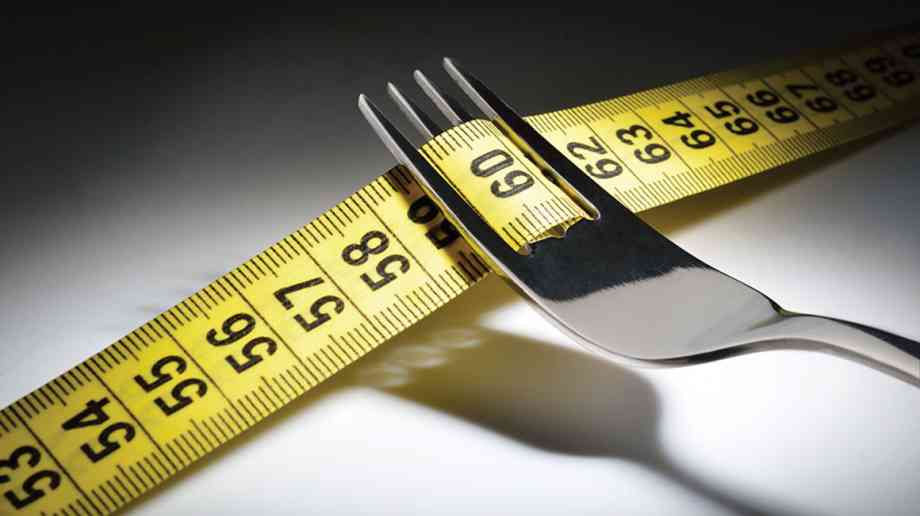
The Obesity Health Alliance has launched a 10 point policy manifesto warning that the government must get a handle on the UK’s obesity epidemic.
The alliance warns that unless action is taken immediately, the NHS will find itself in irreversible financial trouble, and is urging each political party to make tackling obesity a priority, especially for children, where obesity levels are at the highest ever level. More than one in five children are overweight or obese in their first year of primary school and this rises to over one in three by the time they leave.
Obesity is estimated to cost the NHS at least £5.1 billion a year, equivalent to the salary of 165,000 nurses or 85,000 hospital doctors. Additionally, the estimated cost is similar to carrying out 116,000 heart transplants or nearly 730,000 hip replacements.
Acknowledging the positive effect of the Soft Drinks Industry Levy and targets to reduce sugar from foods commonly eaten by children, 41 leading health campaigners have urged that momentum continue.
The 10 proposed recommendations include: protecting children from all junk food marketing; the levy on sugary drinks; reduced sugar, saturated fat, and salt in food; fewer promotions and displays of unhealthy food; traffic light labelling on all processed foods; healthy meals in schools and teaching children how to cook; local authorities to have freedom to take action on obesity in their area; healthy food available in hospitals; full obesity training for health and social care professionals; and funding for child measurement weight management programmes.
Caroline Cerny, Alliance lead, said: “The direct cost to the NHS of over £5 billion is shocking enough, but the true economic cost to wider society is five times as much – £27 billion annually. It makes not only moral sense to combat obesity, but clear economic sense too. As our waistlines continue to increase, so do the chances of developing devastating diseases such as Type 2 diabetes, cancer, cardiovascular and liver disease plus associated mental health problems.”
Latest News

16/02/2024 - 12:56
Hammersmith and Fulham Council has created a new alliance intended to clean dirty air and improve residents' health.

16/02/2024 - 10:44
Two million more GP appointments a month are being delivered for patients compared to the same month before the pandemic as part of the NHS primary care access recovery plan according to new NHS data.

15/02/2024 - 10:26
The Welsh Government has provided innovation funding of £380,000 to support two projects utilising technology in domiciliary care.

15/02/2024 - 10:13
The new Scottish health secretary has met with frontline staff at Queen Elizabeth University Hospital in Glasgow.

14/02/2024 - 10:27
The North East London NHS Foundation Trust (NELFT) has appointed three new Executive Directors to the Trust Board.
Product Features

UK Building Regulations highlight toxic gas and smoke from layers of paint built up over multiple redecorations as a major cause of permanent ill health or death in a building fire.
Their concern rose with discovery the flame retardant paints most widely used paint along escape routes have been ones which to this day counter-productively use emission of heavy toxic gas to smother flames which rapidly spread along walls if layers of paint delaminate in a fire.
Supplier Profiles

Northwich’s Victoria Infirmary (VIN) Community Diagnostic Centre (CDC) has enabled more patients

Adveco, the commercial hot water specialist, announces the launch of live metering of domestic ho
Latest Features

Sarah Greenslade, public affairs and communications officer at the British Parking Association looks at some of the problems and innovations in healthcare parking

It’s easy to assume that the comms team is there to handle press enquiries and the occasional social media storm – but the reality is that strategic communications can make a measurable impact across the entire organisation, from operational to financial, when done properly


