
This story was first published in digitalhealth.net

Ambulance service trials electric vehicles
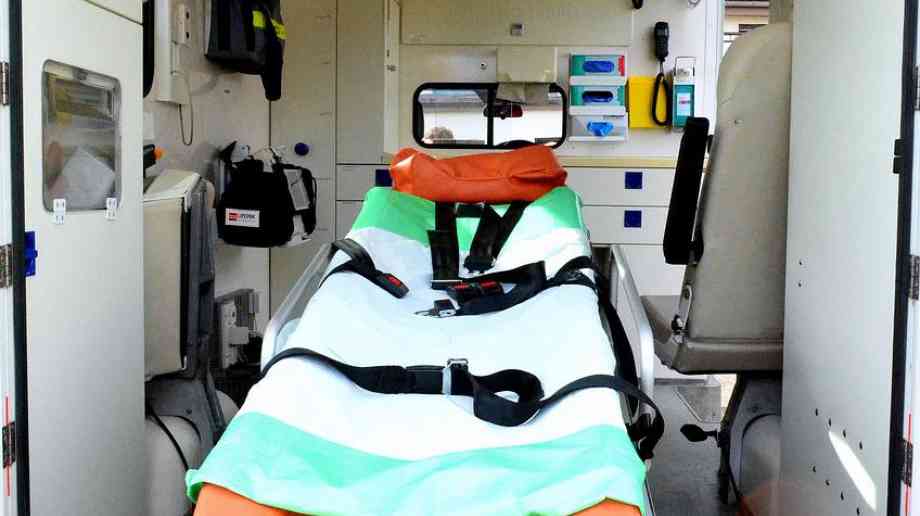
The East of England Ambulance Service NHS (EEAST) Trust are trialling three electric rapid response cars.
The electric vehicles are part of a two-year trial to see how they can be used to the best effect.
Two Skoda Enyaq iV 80x vehicles will be used as rapid response cars, for urgent calls such as cardiac arrests, and a Vauxhall Vivaro-E van will be trialled for different roles, such as a falls response vehicle and as a mental health response vehicle.
EEAST which covers covers Bedfordshire, Cambridgeshire, Essex, Hertfordshire, Norfolk and Suffolk, is waiting for technology to progress before trialling electric ambulances.
Chief executive of the trust, Tom Abell, said the new electric vehicles are "much faster" than their diesel equivalents, doing 0 to 60 mph in 6 seconds, half that of a diesel rapid response car. Using the quickest charger, the electric vehicles can be charged 80 per cent in 30 minutes.
Mr Abell said: "Clearly the challenge with it is going to be range, but actually in terms of their general performance actually they are superior in many ways and they're zero emission which is fantastic."
He continued: "The east of England is a very diverse geographical area ... We know that this technology works very well in urban areas and cities.
"We need to look at how it will work in more rural communities and what is the charging infrastructure and the ways of working that we're going to need to put in place in order to be able to support this technology moving forward."
The trial is part-funded by a £250,000 grant from NHS England which paid for new charging infrastructure. Chargers are being installed at large hub sites across the area, with smaller stations set to receive them later. Charging is also possible at commercial charging sites with a payment card system. Control room staff who receive emergency calls and send crews are able to see the level of charge of each vehicle thanks to telematics.
As part of the trial, the electric vehicles will be trialled with community first responders and with partners in the police and fire service, who often respond to events alongside the ambulance service. This helps to understand how the vehicles will work in different settings.
The introduction of electric vehicles is part of the NHS's pledge to net zero by 2045.
Image: Pixabay
Latest News

16/02/2024 - 12:56
Hammersmith and Fulham Council has created a new alliance intended to clean dirty air and improve residents' health.

16/02/2024 - 10:44
Two million more GP appointments a month are being delivered for patients compared to the same month before the pandemic as part of the NHS primary care access recovery plan according to new NHS data.

15/02/2024 - 10:26
The Welsh Government has provided innovation funding of £380,000 to support two projects utilising technology in domiciliary care.

15/02/2024 - 10:13
The new Scottish health secretary has met with frontline staff at Queen Elizabeth University Hospital in Glasgow.

14/02/2024 - 10:27
The North East London NHS Foundation Trust (NELFT) has appointed three new Executive Directors to the Trust Board.
Product Features

UK Building Regulations highlight toxic gas and smoke from layers of paint built up over multiple redecorations as a major cause of permanent ill health or death in a building fire.
Their concern rose with discovery the flame retardant paints most widely used paint along escape routes have been ones which to this day counter-productively use emission of heavy toxic gas to smother flames which rapidly spread along walls if layers of paint delaminate in a fire.
Supplier Profiles

Northwich’s Victoria Infirmary (VIN) Community Diagnostic Centre (CDC) has enabled more patients

Adveco, the commercial hot water specialist, announces the launch of live metering of domestic ho
Latest Features

Sarah Greenslade, public affairs and communications officer at the British Parking Association looks at some of the problems and innovations in healthcare parking

It’s easy to assume that the comms team is there to handle press enquiries and the occasional social media storm – but the reality is that strategic communications can make a measurable impact across the entire organisation, from operational to financial, when done properly


