
This story was first published in digitalhealth.net

GPs unsatisfied with amount of time with patients
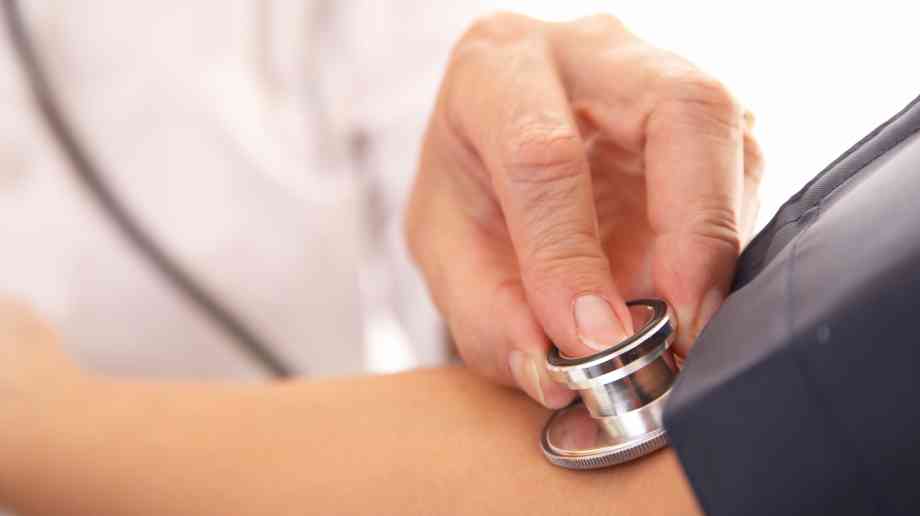
A new Health Foundation survey of more than 1,000 UK-based GPs has found that only one in four UK GPs are satisfied with time they are able to spend with patients.
The independent health charity claims that 60 per cent of UK GPs say they find their job ‘extremely’ or ‘very’ stressful, and almost half plan to reduce their weekly hours in the next three years.
Among 11 high income countries included in the study, only France has lower levels of overall satisfaction with practising medicine than GPs in the UK, and only Sweden reported higher levels of stress.
UK GPs also reported significantly shorter appointment lengths than their international colleagues. The average length of a GP appointment in the UK is 11 minutes, compared with a 19 minute average appointment for GP and primary care physicians in the other countries surveyed. UK GPs are the least satisfied with the amount of time they are able to spend with patients, with just a quarter feeling satisfied with the length of time spent with patients, and just five per cent feeling ‘extremely’ or ‘very’ satisfied.
The UK did perform well in other areas. The Health Foundation found that 99 per cent of UK GPs surveyed use electronic medical records, and use of data to review and improve patient care is relatively high, in comparison to international counterparts. GPs in the UK are also broadly supportive of ambitions to improve integration of services – a key aim for policymakers.
Rebecca Fisher, one of the Health Foundation report’s authors, said: “These findings illustrate the pressures faced by general practice, and the strain that GPs are under. Right now the health system is in unprecedented territory and mobilising to meet the challenge of Covid-19. This survey shows that over the long term we need concerted action to stabilise general practice.
“Despite performing strongly in some aspects of care, many GPs consider that appointments are simply too short to fully meet the needs of patients. Too many GPs are highly stressed and overburdened - to the point of wanting to leave the profession altogether. Policymakers need to be sure not to build castles on quicksand. Primary Care Networks are intended to reform general practice, but solutions that rely on the existing GP workforce doing more are likely to misfire. Bringing in additional workforce, from pharmacists to physios, is welcome but will not quickly solve the immediate pressures facing GPs.”
Despite a 2015 target for 5,000 additional GPs by 2020, the number of qualified permanent full time equivalent GPs in the UK has fallen. There are now 1,700 fewer qualified permanent GPs than in 2015.
Latest News

16/02/2024 - 12:56
Hammersmith and Fulham Council has created a new alliance intended to clean dirty air and improve residents' health.

16/02/2024 - 10:44
Two million more GP appointments a month are being delivered for patients compared to the same month before the pandemic as part of the NHS primary care access recovery plan according to new NHS data.

15/02/2024 - 10:26
The Welsh Government has provided innovation funding of £380,000 to support two projects utilising technology in domiciliary care.

15/02/2024 - 10:13
The new Scottish health secretary has met with frontline staff at Queen Elizabeth University Hospital in Glasgow.

14/02/2024 - 10:27
The North East London NHS Foundation Trust (NELFT) has appointed three new Executive Directors to the Trust Board.
Product Features

UK Building Regulations highlight toxic gas and smoke from layers of paint built up over multiple redecorations as a major cause of permanent ill health or death in a building fire.
Their concern rose with discovery the flame retardant paints most widely used paint along escape routes have been ones which to this day counter-productively use emission of heavy toxic gas to smother flames which rapidly spread along walls if layers of paint delaminate in a fire.
Supplier Profiles

Northwich’s Victoria Infirmary (VIN) Community Diagnostic Centre (CDC) has enabled more patients

Adveco, the commercial hot water specialist, announces the launch of live metering of domestic ho
Latest Features

Sarah Greenslade, public affairs and communications officer at the British Parking Association looks at some of the problems and innovations in healthcare parking

It’s easy to assume that the comms team is there to handle press enquiries and the occasional social media storm – but the reality is that strategic communications can make a measurable impact across the entire organisation, from operational to financial, when done properly


