
This story was first published in digitalhealth.net

Patient ambulance wait time doubles in two years
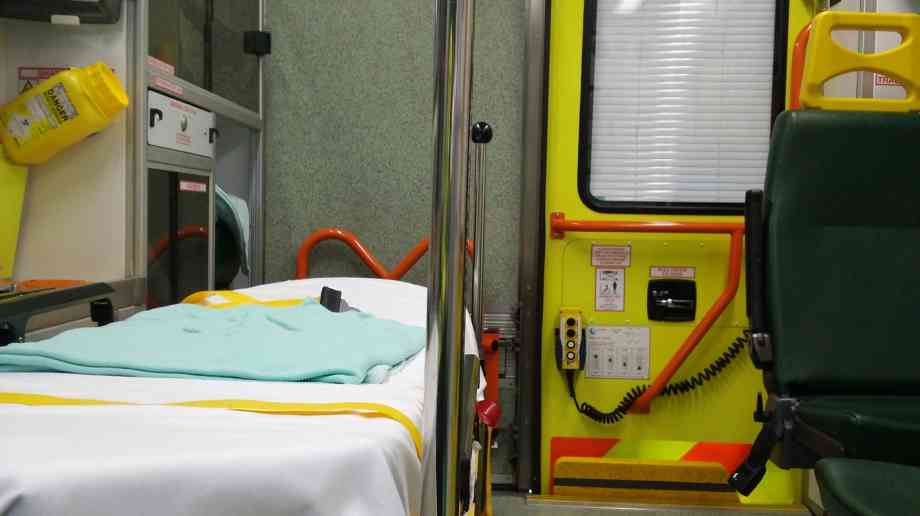
The number of patients waiting an hour or over to be transferred from an ambulance into an NHS A&E ward has doubled in England over the past two years.
According to figures obtained by Labour through freedom of information requests, there were 111,524 people who waited at least 60 minutes in an ambulance in 2016-17, up from 51,115 in 2014-15, prompting fears about patient safety.
The increase was even more pronounced in other parts of the country, with figures from South East Coast ambulance service (Secamb) showing the number more than quadrupled over the same period, while in London it almost trebled.
Labour said the figures were a sign the NHS has been ‘pushed to the brink’.
South Western ambulance service was the only one of the 10 English ambulance trusts to record a decline in waits of an hour or more - by almost a third - between 2014-15 and 2016-17.
There was also an increase in patients waiting 30 minutes or longer for admission to an emergency ward. Every trust recorded a rise from 2014-15, except West Midlands ambulance service, which did not provide the relevant statistics on half-hour waits.
Earlier this year, NHS Improvement (NHSI) said: “Tolerating ambulance handover delays is tolerating significant risk of harm to patients.”
It said that when ambulances are forced to queue, it increases the risk to patients because of delays in diagnosis of treatment, and means the vehicles are not available to respond to other emergencies.
NHSI wrote in advice to hospitals and ambulance services: “It is crucial that patients are assessed on arrival in the ED [emergency department] and ambulance crews are freed up to attend the next emergency call.”
Jon Ashworth, shadow health secretary, said: “These figures show an ambulance service pushed to the brink by years of Tory underinvestment. It’s clear that NHS services last year were operating at the absolute limit of what they could cope with.
“There is no excuse for the government to allow another crisis on this scale to develop this year. They’ve been well warned and they should take action to sort it out.
“Theresa May has a choice in the budget: give the NHS the money it needs to deliver a decent standard of care, or leave NHS patients stranded in pain in the back of ambulances because the hospitals are just too full to cope.”
A Department of Health spokesperson said: “In the face of huge increases in demand, our paramedics and call-handlers are working exceptionally hard and answering 4,500 more 999 calls every day compared to five years ago.
“Nevertheless, we expect patient handovers from ambulance to A&E to happen within 30 minutes and where delays occur hospital and ambulance trusts have a responsibility to make improvements.”
Latest News

16/02/2024 - 12:56
Hammersmith and Fulham Council has created a new alliance intended to clean dirty air and improve residents' health.

16/02/2024 - 10:44
Two million more GP appointments a month are being delivered for patients compared to the same month before the pandemic as part of the NHS primary care access recovery plan according to new NHS data.

15/02/2024 - 10:26
The Welsh Government has provided innovation funding of £380,000 to support two projects utilising technology in domiciliary care.

15/02/2024 - 10:13
The new Scottish health secretary has met with frontline staff at Queen Elizabeth University Hospital in Glasgow.

14/02/2024 - 10:27
The North East London NHS Foundation Trust (NELFT) has appointed three new Executive Directors to the Trust Board.
Product Features

UK Building Regulations highlight toxic gas and smoke from layers of paint built up over multiple redecorations as a major cause of permanent ill health or death in a building fire.
Their concern rose with discovery the flame retardant paints most widely used paint along escape routes have been ones which to this day counter-productively use emission of heavy toxic gas to smother flames which rapidly spread along walls if layers of paint delaminate in a fire.
Supplier Profiles

Northwich’s Victoria Infirmary (VIN) Community Diagnostic Centre (CDC) has enabled more patients

Adveco, the commercial hot water specialist, announces the launch of live metering of domestic ho
Latest Features

Sarah Greenslade, public affairs and communications officer at the British Parking Association looks at some of the problems and innovations in healthcare parking

It’s easy to assume that the comms team is there to handle press enquiries and the occasional social media storm – but the reality is that strategic communications can make a measurable impact across the entire organisation, from operational to financial, when done properly


