
This story was first published in digitalhealth.net

Johnson promises review of sugar tax
Conservative leadership hopeful Boris Johnson has announced a wide-ranging review of ‘sin stealth taxes’, days ahead of the government publishing a green paper advocating extending the sugar tax to milkshakes.
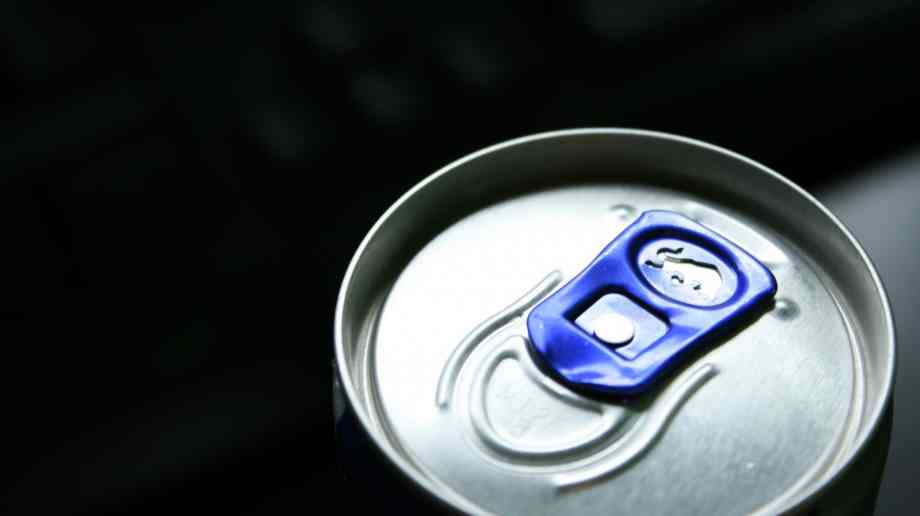
The Advancing our Health – Prevention in the 2020s policy paper has been circulating among cabinet ministers and is due to be published in the next few days. Reports claim that it plans to extend the sugar tax to ‘sugary milk drinks … if the evidence shows that industry has not made enough progress on reducing sugar’. This is alongside a ban on the sale of energy drinks to under-16s,.
However, Johnson has said he would carry out a review of whether ‘stealth sin taxes’, including the sugar tax, were successful in changing behaviour and whether they disproportionately affected poorer consumers, saying that they appear to ‘clobber those who can least afford it’.
He proposed that, rather than just taxing people more, ‘we should encourage people to walk, cycle and generally do more exercise’ to help people to lose weight and live healthier lifestyles. The move seems to oppose the actions of Health Secretary, and Johnson supporter, Matt Hancock, as well as Johnson’s own actions as Mayor of London, when he imposed a 10p levy on sugary drinks at City Hall.
Shirley Cramer, the chief executive of the Royal Society for Public Health, said: “One of the successes of the last Conservative government was the introduction of the sugar levy for soft drinks. The evidence shows that the sugar levy has worked. Nearly half of the soft drinks market has reduced the sugar in their products to avoid charges. There is overwhelming public support for reformulation, with nine in ten people surveyed by Public Health England supporting the government to work with the food industry to reformulate products to make them healthier.
We should be building on the success of the sugar levy, not turning back the clock on the progress that has been made so far. his is a short sighted proposal – and we do hope that this decision hasn’t been influenced by sweet talking from the food industry. We would urge Boris Johnson to reconsider.”
Latest News

16/02/2024 - 12:56
Hammersmith and Fulham Council has created a new alliance intended to clean dirty air and improve residents' health.

16/02/2024 - 10:44
Two million more GP appointments a month are being delivered for patients compared to the same month before the pandemic as part of the NHS primary care access recovery plan according to new NHS data.

15/02/2024 - 10:26
The Welsh Government has provided innovation funding of £380,000 to support two projects utilising technology in domiciliary care.

15/02/2024 - 10:13
The new Scottish health secretary has met with frontline staff at Queen Elizabeth University Hospital in Glasgow.

14/02/2024 - 10:27
The North East London NHS Foundation Trust (NELFT) has appointed three new Executive Directors to the Trust Board.
Product Features

UK Building Regulations highlight toxic gas and smoke from layers of paint built up over multiple redecorations as a major cause of permanent ill health or death in a building fire.
Their concern rose with discovery the flame retardant paints most widely used paint along escape routes have been ones which to this day counter-productively use emission of heavy toxic gas to smother flames which rapidly spread along walls if layers of paint delaminate in a fire.
Supplier Profiles

Northwich’s Victoria Infirmary (VIN) Community Diagnostic Centre (CDC) has enabled more patients

Adveco, the commercial hot water specialist, announces the launch of live metering of domestic ho
Latest Features

Sarah Greenslade, public affairs and communications officer at the British Parking Association looks at some of the problems and innovations in healthcare parking

It’s easy to assume that the comms team is there to handle press enquiries and the occasional social media storm – but the reality is that strategic communications can make a measurable impact across the entire organisation, from operational to financial, when done properly


