
This story was first published in digitalhealth.net

Government sets out coronavirus ‘battle plan’
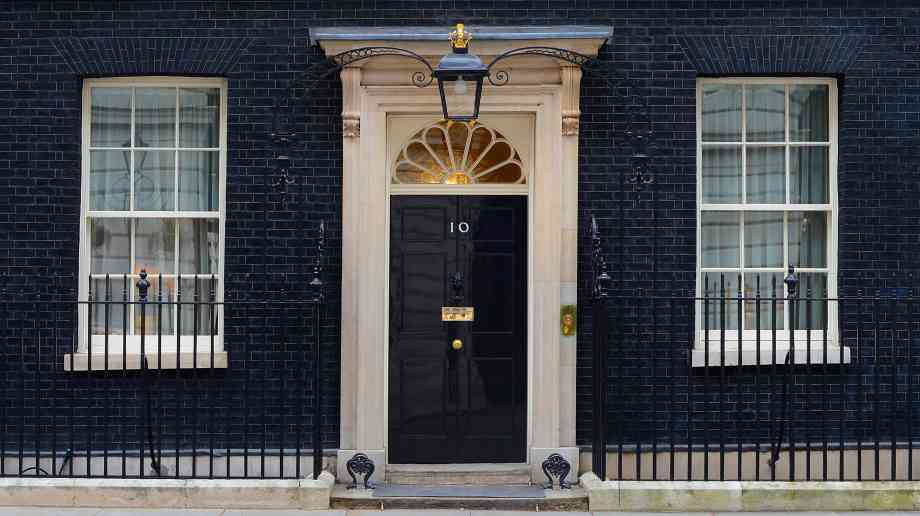
Prime Minister Boris Johnson has set out the government’s action plan to tackle the developing spread of the coronavirus.
The new plan, agreed by all four parts of the UK, sets out how ministers will take every reasonable step to confront the virus, consistent with the best scientific evidence, and ensure the government is able to adapt quickly to changing circumstances.
Johnson, who recently warned that there could be ‘significant expansion’ in UK cases, said that police may need to focus on only responding to the most serious crimes and maintaining public order if the virus spreads, while the army could also provide support to emergency services if needed.
Health Secretary Matt Hancock told Parliament that the number of confirmed cases of the new coronavirus in the UK stands at 51.
Powers have already been given to police, public health professionals and courts to enforce isolation on individuals. The plan suggests that local authorities in England can apply to the courts to enforce quarantine and medical examination, restricting movement of individuals known to have or have been exposed to the disease.
Part of the ‘battle plan’ also includes every government department having a designated Ministerial virus lead to oversee the response to the global threat of the virus, and a war room set up in the Cabinet Office, bringing together communications experts and scientists from across government and the NHS to roll out the public information campaign.
As previously mooted, the government is looking at emergency registration of health professionals who have retired, the introduction of emergency indemnity coverage for health care workers to provide care or diagnostic services and relaxation of rules around staff to pupil ratios in education and childcare settings. Under the plan, health and social care services will work together to support early discharge from hospital, and to look after people in their own homes.
A major public information campaign will be launched soon setting out clear steps the public can take to limit the spread of the virus, including washing their hands regularly with soap and water.
Latest News

16/02/2024 - 12:56
Hammersmith and Fulham Council has created a new alliance intended to clean dirty air and improve residents' health.

16/02/2024 - 10:44
Two million more GP appointments a month are being delivered for patients compared to the same month before the pandemic as part of the NHS primary care access recovery plan according to new NHS data.

15/02/2024 - 10:26
The Welsh Government has provided innovation funding of £380,000 to support two projects utilising technology in domiciliary care.

15/02/2024 - 10:13
The new Scottish health secretary has met with frontline staff at Queen Elizabeth University Hospital in Glasgow.

14/02/2024 - 10:27
The North East London NHS Foundation Trust (NELFT) has appointed three new Executive Directors to the Trust Board.
Product Features

UK Building Regulations highlight toxic gas and smoke from layers of paint built up over multiple redecorations as a major cause of permanent ill health or death in a building fire.
Their concern rose with discovery the flame retardant paints most widely used paint along escape routes have been ones which to this day counter-productively use emission of heavy toxic gas to smother flames which rapidly spread along walls if layers of paint delaminate in a fire.
Supplier Profiles

Northwich’s Victoria Infirmary (VIN) Community Diagnostic Centre (CDC) has enabled more patients

Adveco, the commercial hot water specialist, announces the launch of live metering of domestic ho
Latest Features

Sarah Greenslade, public affairs and communications officer at the British Parking Association looks at some of the problems and innovations in healthcare parking

It’s easy to assume that the comms team is there to handle press enquiries and the occasional social media storm – but the reality is that strategic communications can make a measurable impact across the entire organisation, from operational to financial, when done properly


