
This story was first published in digitalhealth.net

Trusts don’t have plans in place to manage use of plastic
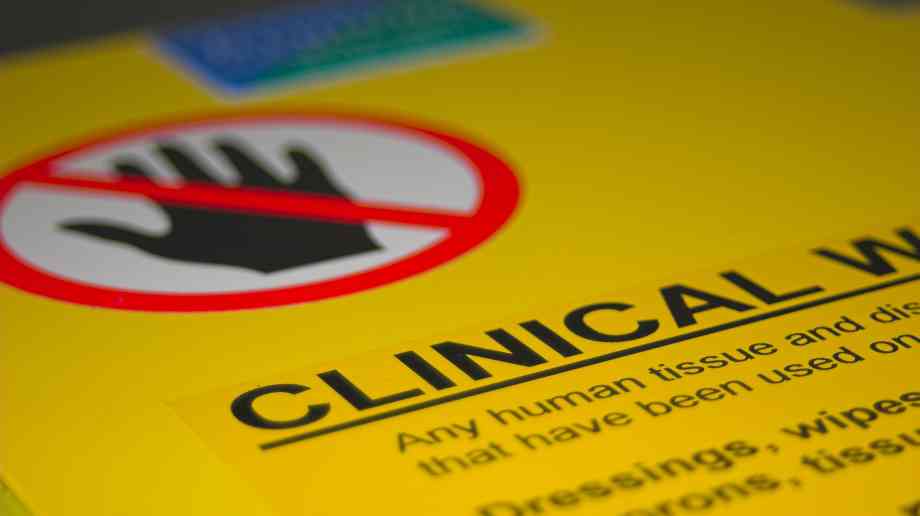
New research has shown that almost six out of ten hospital trusts don’t have plans in place to manage or reduce their consumption of single-use plastics.
The research on climate change, published by the BMA, found that more than half of hospital trusts in England, and 88 per cent in Wales, do not have policy on how to reduce their consumption of single-use plastics, despite the fact that single-use plastic makes up around a quarter of all NHS waste in England and Wales.
The BMA report follows the pledge from NHS England last year to cut back on consumption of single use plastics as part of its Long-Term Plan. The doctors’ association believes that tackling carbon footprints and climate change will be one of the defining public health challenges of the century, particularly for the UK, which is the 14th largest global emitter of greenhouse gases per capita – and it’s already making many people ill.
Although the BMA recognises that reducing climate change is a society-wide effort, one of the starting points for improvement is the NHS, and ensuring the health service is properly equipped with the tools it needs to make it greener – from increasing the number of digital and remote consultations to switching to electric vehicle fleets.
The report calls for hospital trusts in England and Wales and health boards in Scotland to publish consistent and detailed reporting on their carbon footprint, and for all trusts and health boards to have a policy and an ambitious target to reduce single-use plastic waste and should explore and support the sterilisation of reusable medical equipment.
Additionally, the BMA says that the government should introduce a ‘Clean Fleets Fund’ for trusts and health boards to facilitate the electrification of vehicle fleets and provide further funding to improve existing buildings or build new ones that are sustainable.
Helena McKeown, chair of the representative body at the BMA, said: “The amount of single-use plastics in the NHS is staggering, and something all healthcare workers like myself are acutely aware of especially with our daily use of large amounts of PPE - currently unavoidable of course, but we don’t need to generate as much waste as we do in other areas. There are alternatives, like sterilising reusable equipment, which would help drive down the use of single-use plastics. Doing this alone in the NHS, for example, would have a dramatic impact on our carbon footprint as a whole, and help protect the environment as we head towards potentially irreversible damage from climate change.
“If we do not take bold and decisive action to work towards reducing our carbon emissions – cutting plastic, switching to electric - we will wreak unimaginable havoc on the planet, taking an immeasurable toll on the health of people not just in the UK, but across the globe. The NHS has proved time and again – especially throughout this pandemic - that it is highly adaptable, which is why, as we look to life beyond the virus, there’s never been a better opportunity to make the changes we want to see and reduce our carbon footprint in the health service for good.
“Of course, this is a society-wide effort, and government must absolutely play its part. Many trusts and health boards have already made immense progress with reducing their carbon emissions with small changes like installing LED lights and introducing more electric vehicles, but we need safeguarded funding to ensure this can be done everywhere, not just in pockets dotted around the country. The health of the environment is a reflection on the health of the people who live in it. We hope the government takes heed of this report and agrees that everything must be done to improve and protect that.”
Latest News

16/02/2024 - 12:56
Hammersmith and Fulham Council has created a new alliance intended to clean dirty air and improve residents' health.

16/02/2024 - 10:44
Two million more GP appointments a month are being delivered for patients compared to the same month before the pandemic as part of the NHS primary care access recovery plan according to new NHS data.

15/02/2024 - 10:26
The Welsh Government has provided innovation funding of £380,000 to support two projects utilising technology in domiciliary care.

15/02/2024 - 10:13
The new Scottish health secretary has met with frontline staff at Queen Elizabeth University Hospital in Glasgow.

14/02/2024 - 10:27
The North East London NHS Foundation Trust (NELFT) has appointed three new Executive Directors to the Trust Board.
Product Features

UK Building Regulations highlight toxic gas and smoke from layers of paint built up over multiple redecorations as a major cause of permanent ill health or death in a building fire.
Their concern rose with discovery the flame retardant paints most widely used paint along escape routes have been ones which to this day counter-productively use emission of heavy toxic gas to smother flames which rapidly spread along walls if layers of paint delaminate in a fire.
Supplier Profiles

Northwich’s Victoria Infirmary (VIN) Community Diagnostic Centre (CDC) has enabled more patients

Adveco, the commercial hot water specialist, announces the launch of live metering of domestic ho
Latest Features

Sarah Greenslade, public affairs and communications officer at the British Parking Association looks at some of the problems and innovations in healthcare parking

It’s easy to assume that the comms team is there to handle press enquiries and the occasional social media storm – but the reality is that strategic communications can make a measurable impact across the entire organisation, from operational to financial, when done properly


