
This story was first published in digitalhealth.net

Patients in peril as NHS future funding finalised
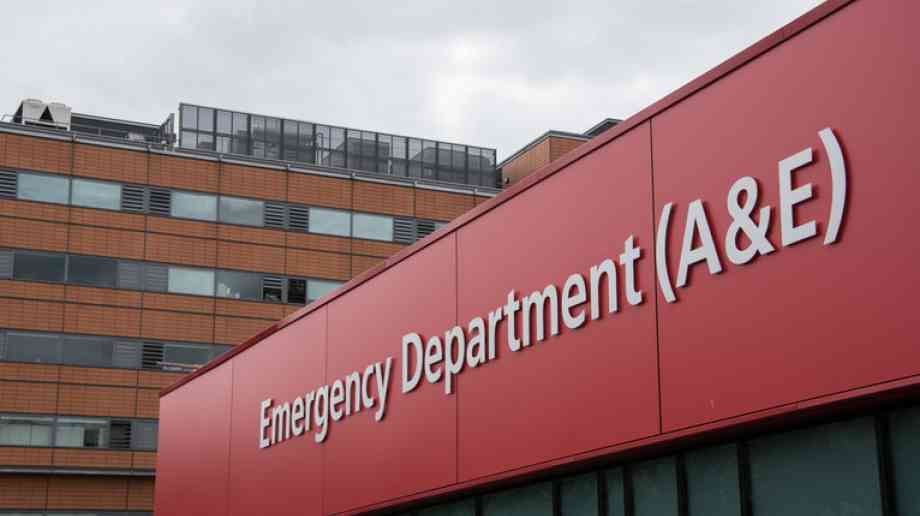
NHS Confederation and NHS Providers have warned that millions of patients risk being condemned to further pain and delays if the government fails to recognise full impact pandemic on NHS.
The two organisations representing the NHS frontline stress that patients risk being condemned to further pain and delays for their treatment if the government fails to recognise the full scale of the unprecedented impact coronavirus has had on the NHS.
A new report by the two bodies sets out the full scale of the extra running costs now needed by the NHS in England. Next financial year the frontline NHS will need around an extra £10 billon of revenue funding. Media reports suggest decisions on future NHS funding could come as early as next week, as Parliament returns from its summer break.
The paper says that between £4 billion and £5 billion is necessary to cover extra costs driven by coronavirus, estimated in the new report as £4.6 billion. Between £3.5 billion and £4.5 billion will be needed to recover the care backlogs created by the pandemic across elective surgery, cancer, mental health and community services. This amount will be needed for each of the next three financial years.
In addition to this, NHS Confederation and NHS Providers say that there must be recognition that, over the last 18 months, trusts have not been able to make the annual 1.1 per cent efficiency savings assumed in the existing NHS five-year budget given their overwhelming focus on treating patients with coronavirus and that returning to this level of savings will take time.
Chris Hopson, chief executive of NHS Providers, said: “The NHS has consistently demonstrated that, when it is properly funded, it delivers for patients and the nation as a whole. In the early 2000s, for example, with five consecutive years of significant, real terms funding increases, the NHS cut waiting lists at record speed.
“Trust leaders have strongly welcomed the extra covid funding the government has provided. This meant that, in the January covid peak, the NHS massively increased critical care capacity at the drop of a hat to cope with 34,000 hospitalised covid patients. And, over the last nine months, the NHS has delivered a world class vaccination campaign which has been key to coming out of lockdown.
“Covid-19 is a once in a generation, global, shock, the seismic impact of which is unlike anything the service has experienced in its 73-year history. The government has said that we must learn to ‘live with covid’. That means they must fully recognise the extent, length and cost of the impact of covid-19 on the NHS.”
Matthew Taylor, chief executive of the NHS Confederation, said: “NHS frontline funding for 2022/23 needs to rise by around £10 billion in addition to capital, social care and central government covid costs.
“Given the challenges facing the wider economy and society, greater NHS investment means a greater contribution to the levelling up agenda, increasing employment and skills and helping create a globally competitive life sciences industry, which are more important than ever right now.
“Trust leaders are worried that anything short of £10 billion next year will force them to cut services. They are worried that, despite best efforts at the frontline, the 13 million waiting list they are desperate to avoid will become inevitable. And this backlog will take five to seven, not two to three, years to clear.
“They worry they won’t be able to provide prompt, high quality, safe care to all who need it as the pressure we have seen in ambulance trusts and A&E departments this summer will worsen and become more widespread across more of the year. They worry that all the advances made on mental health over the last decade could go into reverse. And they worry that all the planned improvements in the NHS Long Term Plan in areas like cancer and cardiac care set will be put at risk.”
Latest News

16/02/2024 - 12:56
Hammersmith and Fulham Council has created a new alliance intended to clean dirty air and improve residents' health.

16/02/2024 - 10:44
Two million more GP appointments a month are being delivered for patients compared to the same month before the pandemic as part of the NHS primary care access recovery plan according to new NHS data.

15/02/2024 - 10:26
The Welsh Government has provided innovation funding of £380,000 to support two projects utilising technology in domiciliary care.

15/02/2024 - 10:13
The new Scottish health secretary has met with frontline staff at Queen Elizabeth University Hospital in Glasgow.

14/02/2024 - 10:27
The North East London NHS Foundation Trust (NELFT) has appointed three new Executive Directors to the Trust Board.
Product Features

UK Building Regulations highlight toxic gas and smoke from layers of paint built up over multiple redecorations as a major cause of permanent ill health or death in a building fire.
Their concern rose with discovery the flame retardant paints most widely used paint along escape routes have been ones which to this day counter-productively use emission of heavy toxic gas to smother flames which rapidly spread along walls if layers of paint delaminate in a fire.
Supplier Profiles

Northwich’s Victoria Infirmary (VIN) Community Diagnostic Centre (CDC) has enabled more patients

Adveco, the commercial hot water specialist, announces the launch of live metering of domestic ho
Latest Features

Sarah Greenslade, public affairs and communications officer at the British Parking Association looks at some of the problems and innovations in healthcare parking

It’s easy to assume that the comms team is there to handle press enquiries and the occasional social media storm – but the reality is that strategic communications can make a measurable impact across the entire organisation, from operational to financial, when done properly


