
This story was first published in digitalhealth.net

AA and London Ambulance Service announce partnership
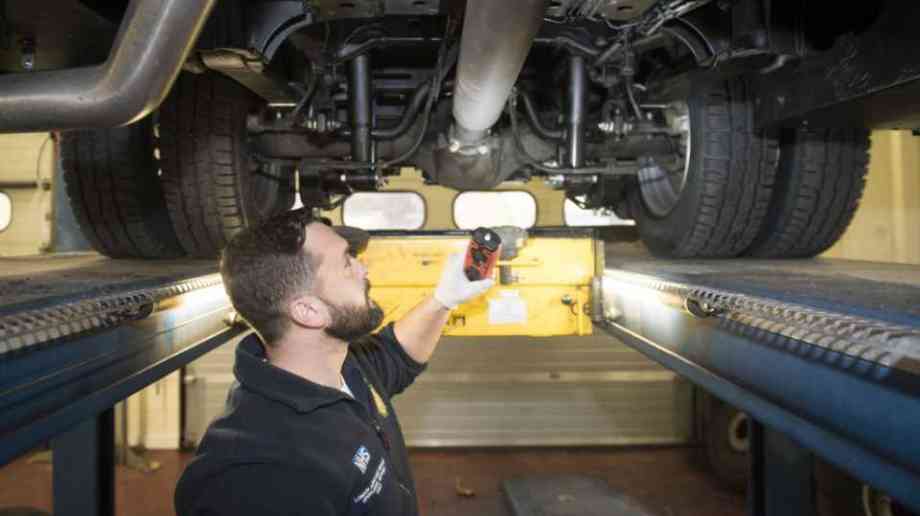
The AA has partnered with London Ambulance Service to provide additional support to help keep clinicians on the road during the coronavirus epidemic.
The partnership includes 24-hour breakdown and incident management services such as roadside assistance and vehicle recovery for London Ambulance Service vehicles.
The AA teams will provide immediate technical support for the Service’s fleet of more than 500 ambulances and 70 fast response cars. Forty-one AA patrols have been sent to the twelve London Ambulance Service workshops across the capital to work alongside the Service’s fleet workshop teams providing additional mechanical support and breakdown recovery and keeping vehicles ready to respond.
Garrett Emmerson, London Ambulance Service chief executive, said: “We are very grateful for the support of the AA as the country faces the biggest public health challenge in generations – one that is putting unprecedented strain on our service. Our staff and volunteers are working harder than ever to provide life-saving care to Londoners. This partnership will help our fleet and workshop teams make sure crews can get back out on the road and continue to reach those patients that need us most.”
Edmund King, AA president, said: “We are proud to play our part supporting the vital ambulance services in London during this crisis. This is an unprecedented situation and we’ve all got to pull together to ease the pressure on our emergency services and the NHS. We would be delighted to offer a similar service to the other ambulance services across the UK. We’re still here to keep key workers and members on the move, but urge motorists to heed government advice and only travel when it’s essential.
The AA provides breakdown services to several ambulance services across the country and is working to roll out further support schemes to keep the UK’s emergency services moving during COVID-19.
Latest News

16/02/2024 - 12:56
Hammersmith and Fulham Council has created a new alliance intended to clean dirty air and improve residents' health.

16/02/2024 - 10:44
Two million more GP appointments a month are being delivered for patients compared to the same month before the pandemic as part of the NHS primary care access recovery plan according to new NHS data.

15/02/2024 - 10:26
The Welsh Government has provided innovation funding of £380,000 to support two projects utilising technology in domiciliary care.

15/02/2024 - 10:13
The new Scottish health secretary has met with frontline staff at Queen Elizabeth University Hospital in Glasgow.

14/02/2024 - 10:27
The North East London NHS Foundation Trust (NELFT) has appointed three new Executive Directors to the Trust Board.
Product Features

UK Building Regulations highlight toxic gas and smoke from layers of paint built up over multiple redecorations as a major cause of permanent ill health or death in a building fire.
Their concern rose with discovery the flame retardant paints most widely used paint along escape routes have been ones which to this day counter-productively use emission of heavy toxic gas to smother flames which rapidly spread along walls if layers of paint delaminate in a fire.
Supplier Profiles

Northwich’s Victoria Infirmary (VIN) Community Diagnostic Centre (CDC) has enabled more patients

Adveco, the commercial hot water specialist, announces the launch of live metering of domestic ho
Latest Features

Sarah Greenslade, public affairs and communications officer at the British Parking Association looks at some of the problems and innovations in healthcare parking

It’s easy to assume that the comms team is there to handle press enquiries and the occasional social media storm – but the reality is that strategic communications can make a measurable impact across the entire organisation, from operational to financial, when done properly


