
This story was first published in digitalhealth.net

NHS Food Scanner app recommends unhealthy food products
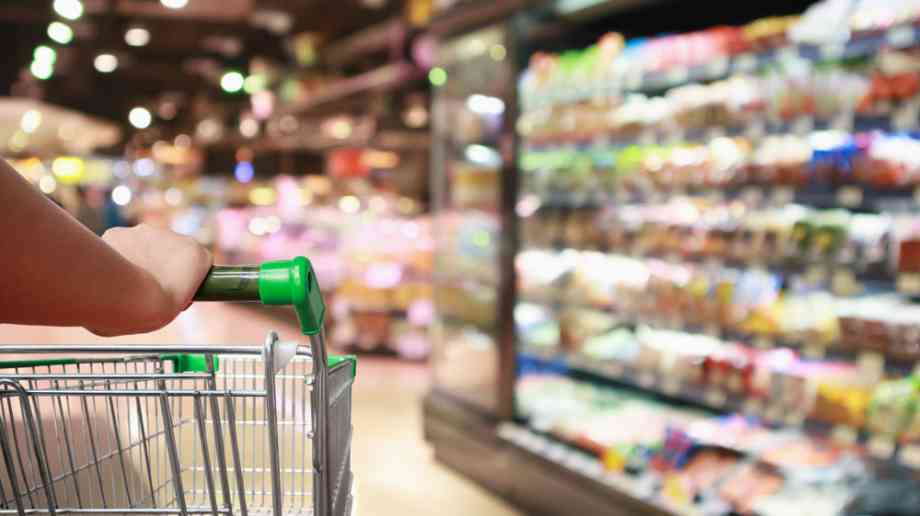
An investigation by the Soil Association has revealed the NHS Food Scanner App, launched last year, recommends biscuits, cakes, crisps, chocolate puddings and fizzy drinks.
The NHS Food Scanner App was originally unveiled as an extension of Public Health England’s now defunct Good Choice badge, which was rolled out in 2019 and supposed to be used to highlight foods that are in line with the government’s current dietary recommendations for added sugar, saturated fat and salt.
Energy drinks and pot noodles are also endorsed by the app, which lets users scan barcodes on food items to generate a healthier suggestion as an alternative.
The Soil Association, which submitted multiple Freedom of Information requests to the Department of Health & Social Care (DHSC) about its relationship with big business, said it had obtained a list of almost 20,000 products awarded the badge. They included artificially sweetened chewing gum, sweets, fizzy drinks, cordials and yoghurts; processed meat; biscuits; scotch pancakes; cakes and chocolate puddings.
It said the list included more than 900 fizzy drink products. While low-calorie energy drinks did not receive a Good Choice badge, instead they got a 'thumbs-up' on the scanner.
Soil Association campaign co-ordinator Cathy Cliff told the Grocer:
“We are shocked to see the government not only ignoring the health risks around ultra-processed foods, but actively encouraging families to consume them.
“It seems like the government is more concerned about corporate profits than children’s health.
“When every penny counts, it is near criminal that families are being misled to waste money on junk food that doesn’t fill you up with anything other than health risks.
“The government’s dietary advice is severely out of date and its failure to provide good advice is putting us all at risk. It is wrong that fizzy drinks and crisps are being promoted to children.
Cliff added: “The government’s Better Health campaign has been linked to commercial food businesses from the start, with its initial iteration launching in partnership with Tesco, Asda, PepsiCo, Kellogg’s, the Co-operative Group, Spar, Costcutter, and Nisa. With junk food manufacturers endorsed by the Good Choice badge, it is unforgivable that a public health campaign is at times benefiting food businesses more than families.”
A DHSC spokesman said:
“We are always looking to improve the app experience, including extending and personalising messaging around different food and drink categories and we welcome feedback from parents as well as organisations to aid us in this process.”
Latest News

16/02/2024 - 12:56
Hammersmith and Fulham Council has created a new alliance intended to clean dirty air and improve residents' health.

16/02/2024 - 10:44
Two million more GP appointments a month are being delivered for patients compared to the same month before the pandemic as part of the NHS primary care access recovery plan according to new NHS data.

15/02/2024 - 10:26
The Welsh Government has provided innovation funding of £380,000 to support two projects utilising technology in domiciliary care.

15/02/2024 - 10:13
The new Scottish health secretary has met with frontline staff at Queen Elizabeth University Hospital in Glasgow.

14/02/2024 - 10:27
The North East London NHS Foundation Trust (NELFT) has appointed three new Executive Directors to the Trust Board.
Product Features

UK Building Regulations highlight toxic gas and smoke from layers of paint built up over multiple redecorations as a major cause of permanent ill health or death in a building fire.
Their concern rose with discovery the flame retardant paints most widely used paint along escape routes have been ones which to this day counter-productively use emission of heavy toxic gas to smother flames which rapidly spread along walls if layers of paint delaminate in a fire.
Supplier Profiles

Northwich’s Victoria Infirmary (VIN) Community Diagnostic Centre (CDC) has enabled more patients

Adveco, the commercial hot water specialist, announces the launch of live metering of domestic ho
Latest Features

Sarah Greenslade, public affairs and communications officer at the British Parking Association looks at some of the problems and innovations in healthcare parking

It’s easy to assume that the comms team is there to handle press enquiries and the occasional social media storm – but the reality is that strategic communications can make a measurable impact across the entire organisation, from operational to financial, when done properly


