
This story was first published in digitalhealth.net

Portsmouth Hospitals NHS Trust ‘must review’ backlog of x-rays
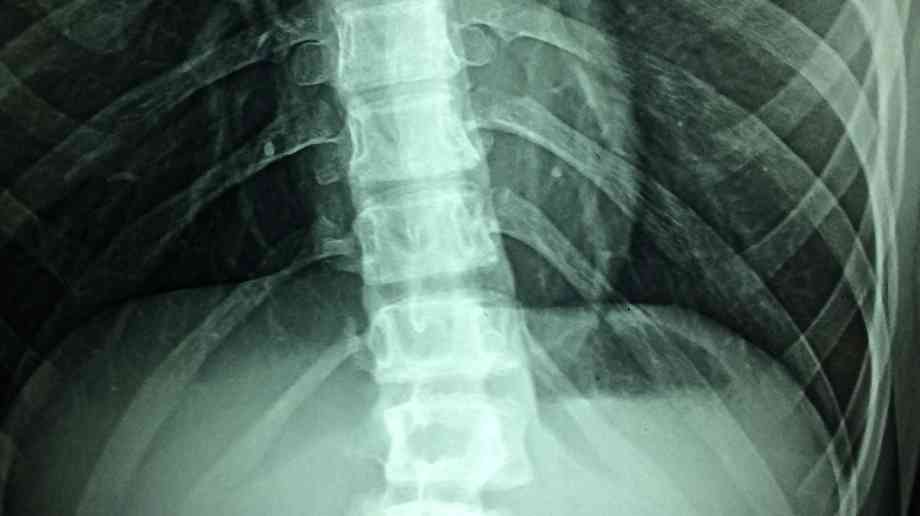
The Care Quality Commission (CQC) has told Portsmouth Hospitals NHS Trust that it must take immediate action to ensure that patients’ x-rays are reviewed by appropriately trained clinicians.
CQC initially highlighted poor governance procedures in the trust’s radiology department following an inspection in May, after which the trust was told it must take immediate action to review risk and identify possible harm to patients.
Inspectors then returned in July to conduct a focused inspection of the outpatients and diagnostic imaging department at Queen Alexandra Hospital, at which point it was identified that a backlog of 23,000 images of chest x-rays from the preceding 12 months had not been reviewed formally by a radiologist or appropriately-trained clinician.
Inspectors were told there had been three serious incidents where patients with lung cancer had suffered significant harm because their chest x-rays had not been properly assessed.
Following the inspection, CQC used its urgent enforcement powers to place four conditions on the trust’s registration requiring specific action until the trust can demonstrate that patients are safe.
The Chief Inspector of Hospitals, Ted Baker, is now reviewing radiology reporting across the NHS in England.
CQC has written to all NHS acute and community NHS trusts in England asking them to provide details of their backlogs, turnaround times, staffing, and arrangements for routine reporting of images.
The CQC inspection of Queen Alexandra Hospital had been promoted by concerns raised by a member of the public, in addition to the governance concerns highlighted by the trust’s own risk register.
Data supplied by the trust showed that there was significant risk to patients around unreported chest and abdominal imaging. The risk to patients had not been assessed by the trust, even though previous adults had found discrepancies in a proportion of the reports that had not been interpreted by radiologists.
At the time of inspection, the only chest x-rays that were being reported by radiologists were those requested by GPs or non-medical referrers such as nurses and physiotherapists (unless specifically requested).
All paediatric images were reported upon. The majority of chest or abdomen x-rays from the emergency department did not receive a formal report.
Inspectors found that doctors who had been delegated the responsibility for reviewing chest and abdomen x-rays were not always appropriately trained. Some told CQC that they felt that they were not competent to undertake such duties.
Following the inspection CQC placed four conditions on the trust’s registration, including: the trust must take steps to prioritise and deal with the backlog of unreported images, assess the impact on patients, and notify any patient who is adversely affected in the line with the requirements of the Duty of Candour; there must be robust processes put in place to ensure that any images are reported on and risk-assessed; details of how the backlog will be addressed must be submitted to CQC; and the trust must send CQC weekly reports on the size of the backlog, and times taken for reports to be produced.
The conditions will remain until the trust can demonstrate that the risk to patients has been removed and there is no longer any cause to believe that patients may be exposed to the risk of harm.
Ted Baker, Chief Inspectors of Hospitals, said: “When a patient is referred for an x-ray or scan, it is important that the resulting images are examined and reported on by properly trained clinical staff who know what they are looking for - this is a specialist skill.
“During our inspection of Portsmouth Hospitals NHS Trust, however, some junior doctors told us that they had been given responsibility for reviewing chest and abdomen x-rays without appropriate training although they felt that they were not competent or confident to do so. We then learned of some cases where signs of lung cancer were missed, with serious consequences for the patients involved. This is clearly unacceptable. We told the Trust to take urgent action to address the backlog of images which had not been reviewed by a radiologist or trained clinician, identify any patients who may have suffered harm, and report progress to us on a weekly basis which they have been doing.
“We are aware that radiology reporting practice varies among trusts; a clearer national picture is needed to ensure that other patients are not being put at risk. I have written to all trusts requiring them to provide us with details so that we can assess the national situation and consider if further action is required. I will report on those findings once this work is completed.”
Nicola Strickland, president of the Royal College of Radiologists, said: “Patient x-rays must be viewed as quickly as possible by a radiologist or appropriately trained clinician. That the Queen Alexandra Hospital encouraged staff who were not suitably trained to review them, in an attempt to manage its sheer volume of unreported scans, is a concern. We have been in touch with colleagues there to offer support and advice. In addition, we very much welcome Professor Baker’s survey of radiology reporting services across England, which should give further transparency on the serious issue of radiology reporting backlogs.”
Latest News

16/02/2024 - 12:56
Hammersmith and Fulham Council has created a new alliance intended to clean dirty air and improve residents' health.

16/02/2024 - 10:44
Two million more GP appointments a month are being delivered for patients compared to the same month before the pandemic as part of the NHS primary care access recovery plan according to new NHS data.

15/02/2024 - 10:26
The Welsh Government has provided innovation funding of £380,000 to support two projects utilising technology in domiciliary care.

15/02/2024 - 10:13
The new Scottish health secretary has met with frontline staff at Queen Elizabeth University Hospital in Glasgow.

14/02/2024 - 10:27
The North East London NHS Foundation Trust (NELFT) has appointed three new Executive Directors to the Trust Board.
Product Features

UK Building Regulations highlight toxic gas and smoke from layers of paint built up over multiple redecorations as a major cause of permanent ill health or death in a building fire.
Their concern rose with discovery the flame retardant paints most widely used paint along escape routes have been ones which to this day counter-productively use emission of heavy toxic gas to smother flames which rapidly spread along walls if layers of paint delaminate in a fire.
Supplier Profiles

Northwich’s Victoria Infirmary (VIN) Community Diagnostic Centre (CDC) has enabled more patients

Adveco, the commercial hot water specialist, announces the launch of live metering of domestic ho
Latest Features

Sarah Greenslade, public affairs and communications officer at the British Parking Association looks at some of the problems and innovations in healthcare parking

It’s easy to assume that the comms team is there to handle press enquiries and the occasional social media storm – but the reality is that strategic communications can make a measurable impact across the entire organisation, from operational to financial, when done properly


