
This story was first published in digitalhealth.net

BMJ report sees violence at GP surgeries double in five years
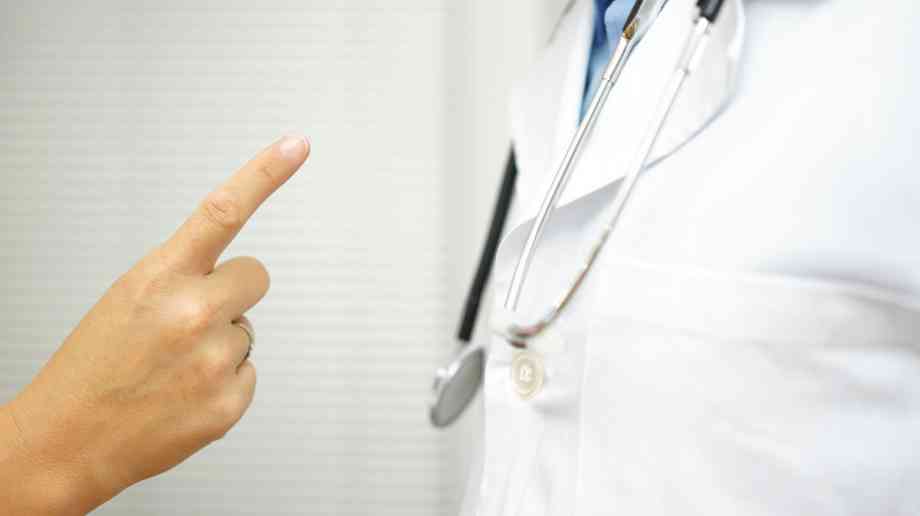
An investigation by the British Medical Journal has found that the number of violent incidents at UK general practices recorded by police forces has almost doubled in the past five years.
The BMJ sent freedom of information requests to the 45 police forces in the UK, asking for the number of recorded crimes committed at general practices and how each crime was categorised. A total of 42 forces (93%) had sent responses by the time of publication, 32 of which (71%) were able to provide complete and comparable data for the past five years.
The figures show that violent incidents at GP surgeries and health centres have increased every year since 2017, and a near doubling of assaults that cause physical harm.
Dr Martin Marshall, chair of the Royal College of GPs, warned the rising tide of violence could see more staff quitting. He told the Guardian:
“The vast majority of patients appreciate that GPs and our teams right across the country are doing the best we can under immense pressure and treat our staff with respect,” he said. “But increased levels of abuse, as shown in this report, will be having a significant impact on the mental health, wellbeing and morale of individual doctors and practice staff.”
The most recent NHS staff survey figures show that 14% of NHS staff experienced at least one incident of physical violence from patients, service users, relatives, or other members of the public in the past 12 months, while 28% experienced at least one incident of harassment, bullying, or abuse.
Richard Van Mellaerts, a GP in Kingston upon Thames and an executive officer for the BMA’s GP Committee, said:
“I know GPs who have been attacked, their reception area has been damaged, and their consultation room has been wrecked. It is absolutely appalling. Any single instance of abuse or violence or harassment towards any GP or practice staff or any NHS staff is one too many, and it should never be tolerated. It is tremendously sad that we’re seeing this.”
Latest News

16/02/2024 - 12:56
Hammersmith and Fulham Council has created a new alliance intended to clean dirty air and improve residents' health.

16/02/2024 - 10:44
Two million more GP appointments a month are being delivered for patients compared to the same month before the pandemic as part of the NHS primary care access recovery plan according to new NHS data.

15/02/2024 - 10:26
The Welsh Government has provided innovation funding of £380,000 to support two projects utilising technology in domiciliary care.

15/02/2024 - 10:13
The new Scottish health secretary has met with frontline staff at Queen Elizabeth University Hospital in Glasgow.

14/02/2024 - 10:27
The North East London NHS Foundation Trust (NELFT) has appointed three new Executive Directors to the Trust Board.
Product Features

UK Building Regulations highlight toxic gas and smoke from layers of paint built up over multiple redecorations as a major cause of permanent ill health or death in a building fire.
Their concern rose with discovery the flame retardant paints most widely used paint along escape routes have been ones which to this day counter-productively use emission of heavy toxic gas to smother flames which rapidly spread along walls if layers of paint delaminate in a fire.
Supplier Profiles

Northwich’s Victoria Infirmary (VIN) Community Diagnostic Centre (CDC) has enabled more patients

Adveco, the commercial hot water specialist, announces the launch of live metering of domestic ho
Latest Features

Sarah Greenslade, public affairs and communications officer at the British Parking Association looks at some of the problems and innovations in healthcare parking

It’s easy to assume that the comms team is there to handle press enquiries and the occasional social media storm – but the reality is that strategic communications can make a measurable impact across the entire organisation, from operational to financial, when done properly


