
This story was first published in digitalhealth.net

13,000 beds required to stabilise patient safety crisis, says RCEM report
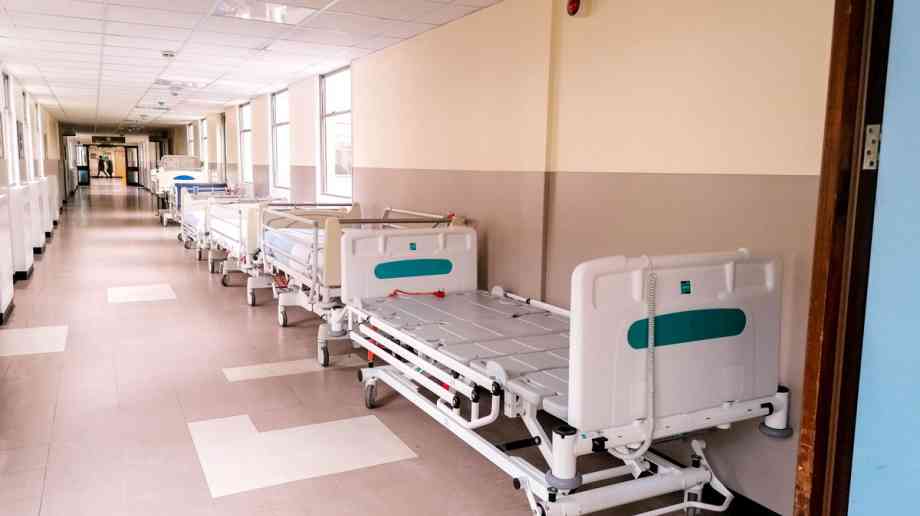
A new report by The Royal College of Emergency Medicine estimates that 13,000 staffed beds are required in the NHS to 'drive meaningful change and improvement.'
This would constitute a significant improvement in A&E waiting times, ambulance response times, ambulance handover delays and a return to safe bed occupancy levels, according to the RCEM's Beds in the NHS report.
The report details that since 2010/2011 the NHS has lost almost 25,000 beds, leading to accumulating pressures and resulting in a sharp increase in long-waiting times, ambulance handover delays, delayed ambulance response times, cancelled elective care operations, and unsafe bed occupancy levels as well as severe consequences on mental health care provision.
Dr Adrian Boyle, Vice President of The Royal College of Emergency Medicine, said:
“In April 2022 in England, 24,000 patients were delayed by 12 hours or more (from decision to admit to admission), in April in Scotland, 4,000 patients faced a 12 hour wait (from time of arrival), in Wales, 11,000 patients faced a 12 hour wait (from time of arrival), and in March 2022 in Northern Ireland, 8,581 patients faced a 12 hour wait (from time of arrival).
“These numbers are grim; they should shock all health and political leaders. These numbers translate to real patient harm and a serious patient safety crisis. The health service is not functioning as it should and the UK governments must take the steps to prevent further deterioration in performance and drive meaningful improvement, especially ahead of next winter.”
Responding to the new RCEM report, Royal College of Nursing General Secretary and Chief Executive Pat Cullen said:
“Purchasing beds and equipment is one thing - the nursing workforce is where the investment must go. Hospitals are full to bursting, with patients in inappropriate locations all too often. Extra beds or whole wards are only safe when there are enough nurses for the patients in them.
“That, according to this report, the number of mental health admissions to general and acute hospital beds now exceeds the number of admissions to mental health beds beggars belief.
“That is a sign of a health service on its knees. Patients are being put in harm’s way. Until ministers come up with a fully-funded workforce plan and pay nursing fairly, patients will continue to suffer for years to come.”
A Department of Health and Social Care spokesperson said:
“We recognise the pressure on urgent and emergency care services and we have set out our plan to help tackle the Covid backlog, backed by record investment.
“There are record numbers of doctors, nurses and overall staff working in the NHS, and we have commissioned NHSE to develop a long-term workforce strategy.
“The NHS is taking a range of actions, including providing an additional £50 million of funding to support increased NHS 111 call-taking capacity this year, to help people access urgent care when they need it.”
Latest News

16/02/2024 - 12:56
Hammersmith and Fulham Council has created a new alliance intended to clean dirty air and improve residents' health.

16/02/2024 - 10:44
Two million more GP appointments a month are being delivered for patients compared to the same month before the pandemic as part of the NHS primary care access recovery plan according to new NHS data.

15/02/2024 - 10:26
The Welsh Government has provided innovation funding of £380,000 to support two projects utilising technology in domiciliary care.

15/02/2024 - 10:13
The new Scottish health secretary has met with frontline staff at Queen Elizabeth University Hospital in Glasgow.

14/02/2024 - 10:27
The North East London NHS Foundation Trust (NELFT) has appointed three new Executive Directors to the Trust Board.
Product Features

UK Building Regulations highlight toxic gas and smoke from layers of paint built up over multiple redecorations as a major cause of permanent ill health or death in a building fire.
Their concern rose with discovery the flame retardant paints most widely used paint along escape routes have been ones which to this day counter-productively use emission of heavy toxic gas to smother flames which rapidly spread along walls if layers of paint delaminate in a fire.
Supplier Profiles

Northwich’s Victoria Infirmary (VIN) Community Diagnostic Centre (CDC) has enabled more patients

Adveco, the commercial hot water specialist, announces the launch of live metering of domestic ho
Latest Features

Sarah Greenslade, public affairs and communications officer at the British Parking Association looks at some of the problems and innovations in healthcare parking

It’s easy to assume that the comms team is there to handle press enquiries and the occasional social media storm – but the reality is that strategic communications can make a measurable impact across the entire organisation, from operational to financial, when done properly


