
This story was first published in digitalhealth.net

NHS Open Space expands pay-as-you-go-service
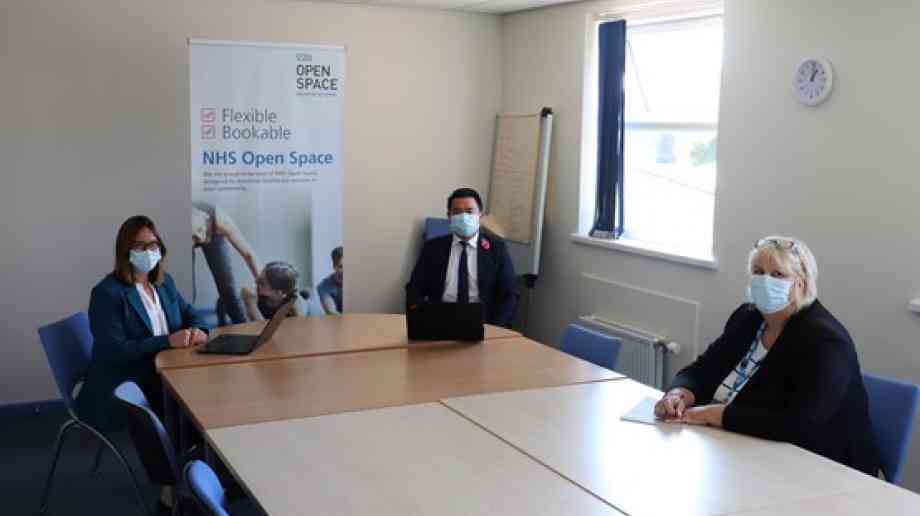
NHS Open Space has expanded its portfolio to over 700 rooms across 100 sites nationwide, offering greater flexibility at an affordable price.
Launched by NHS Property Service, the programme offers clinical and non-clinical spaces for hire on an hourly or daily basis, with greater flexibility at an affordable price. NHS Property Service says that this expansion will help the organisation towards its aim of making better use of NHS space and enabling excellent patient care.
New services will join a community of over 1,000 users who have so far made 125,000+ bookings, accounting for more than 700,000 hours of patient service delivery. Income made from NHS Open Space bookings will be reinvested back into the health service for the benefit of patients and to help support the NHS.
Additionally, mall business owners and community groups can use these spaces, allowing them to book rooms only for the length of time they need, easing pressure on finances and enabling them to be more flexible during these unpredictable times.
The programme is set to continue to grow throughout the year, with further expansions planned for Autumn and Winter. Throughout the pandemic, spaces have remained open for use, ensuring providers could safely continue to offer support to patients. NHS Open Space also supported the NHS in providing space for the coronavirus vaccination programme, with over 1,500 bookings relating to coronavirus services since December 2020.
Christopher King, Principal Strategic Asset Manager at NHSPS, said: “We recognise that the last year has been challenging for many healthcare providers, small businesses and community groups. We hope that NHS Open Space will help to provide a flexible and affordable option for those who are looking to continue or get back to work in the coming months. Safety continues to be our number one priority; our customers and patients can feel safe in the knowledge that all available sites are cleaned and maintained to the highest of safety standards.”
Latest News

16/02/2024 - 12:56
Hammersmith and Fulham Council has created a new alliance intended to clean dirty air and improve residents' health.

16/02/2024 - 10:44
Two million more GP appointments a month are being delivered for patients compared to the same month before the pandemic as part of the NHS primary care access recovery plan according to new NHS data.

15/02/2024 - 10:26
The Welsh Government has provided innovation funding of £380,000 to support two projects utilising technology in domiciliary care.

15/02/2024 - 10:13
The new Scottish health secretary has met with frontline staff at Queen Elizabeth University Hospital in Glasgow.

14/02/2024 - 10:27
The North East London NHS Foundation Trust (NELFT) has appointed three new Executive Directors to the Trust Board.
Product Features

UK Building Regulations highlight toxic gas and smoke from layers of paint built up over multiple redecorations as a major cause of permanent ill health or death in a building fire.
Their concern rose with discovery the flame retardant paints most widely used paint along escape routes have been ones which to this day counter-productively use emission of heavy toxic gas to smother flames which rapidly spread along walls if layers of paint delaminate in a fire.
Supplier Profiles

Northwich’s Victoria Infirmary (VIN) Community Diagnostic Centre (CDC) has enabled more patients

Adveco, the commercial hot water specialist, announces the launch of live metering of domestic ho
Latest Features

Sarah Greenslade, public affairs and communications officer at the British Parking Association looks at some of the problems and innovations in healthcare parking

It’s easy to assume that the comms team is there to handle press enquiries and the occasional social media storm – but the reality is that strategic communications can make a measurable impact across the entire organisation, from operational to financial, when done properly


