
This story was first published in digitalhealth.net

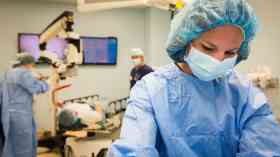
Barbara Harpham argues for equal access to medical technology and says that treatment should be based on their clinical needs

Sinead Mac Manus and Christina Cornwell discuss why we must make sure people are involved in how the integration of technology is shaped in the NHS

Andrew Thomas looks at why NHS trusts should assess their hearing loop provision and the potential costs of not listening to those who can’t hear

Barbara Harpham argues for a thorough review of healthcare spending on medical technology, linking it to tangible outcomes for patients

Misunderstanding among smokers and the general public of the dangers of e-cigarettes continues to grow, says Martin Dockrell
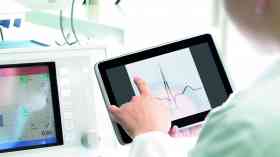
Valerie Field, interim group manager in the MHRA devices division, explores new guidance for medical device health apps
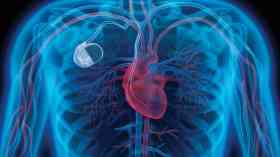
Mike Kreuzer, of the Association of British Healthcare Industries, looks at the revision of the Medical Device Regulation, and the consequential strengthening of requirements.
Andy Crosbie, MHRA Devices Division, explains how Unique Device Identification and GS1 standards can help to improve patient safety while increasing efficiency.

Dr Nick Crombie, clinical lead for Midlands Air Ambulance Charity, discusses the latest technological developments in pre-hospital care and the impact these have had on patients.

The Medical Technology Group considers the impacts on patients of poor access to some medical technologies despite the known benefits and wide availability.
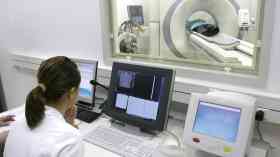
Mark Grumbridge, of the Medicines and Healthcare products Regulatory Agency, discusses the importance of reporting incidents with medical devices.
Following a second round of funding allocated from the Nursing Technology Fund, NHS England’s Beverley Bryant looks at how the smarter use of modern technology is transforming patient care
Though a fairly new but rapidly evolving interdisciplinary field, robotic systems have already been tested for tele surgery and have been widely explored in almost all surgical disciplines. Geethu Roshan Verghese, research analyst at Frost & Sullivan, reports
Though a fairly new but rapidly evolving interdisciplinary field, robotic systems have already been tested for tele surgery and have been widely explored in almost all surgical disciplines, writes analysts Frost & Sullivan
Mick Foy discusses the importance of reporting adverse drug reactions through the MHRA’s Yellow Card Scheme and the current focus on making children’s medicine safer
Pages
Product Features

UK Building Regulations highlight toxic gas and smoke from layers of paint built up over multiple redecorations as a major cause of permanent ill health or death in a building fire.
Their concern rose with discovery the flame retardant paints most widely used paint along escape routes have been ones which to this day counter-productively use emission of heavy toxic gas to smother flames which rapidly spread along walls if layers of paint delaminate in a fire.
Supplier Profiles

Northwich’s Victoria Infirmary (VIN) Community Diagnostic Centre (CDC) has enabled more patients

Adveco, the commercial hot water specialist, announces the launch of live metering of domestic ho
Latest Features

Sarah Greenslade, public affairs and communications officer at the British Parking Association looks at some of the problems and innovations in healthcare parking

It’s easy to assume that the comms team is there to handle press enquiries and the occasional social media storm – but the reality is that strategic communications can make a measurable impact across the entire organisation, from operational to financial, when done properly


