
This story was first published in digitalhealth.net

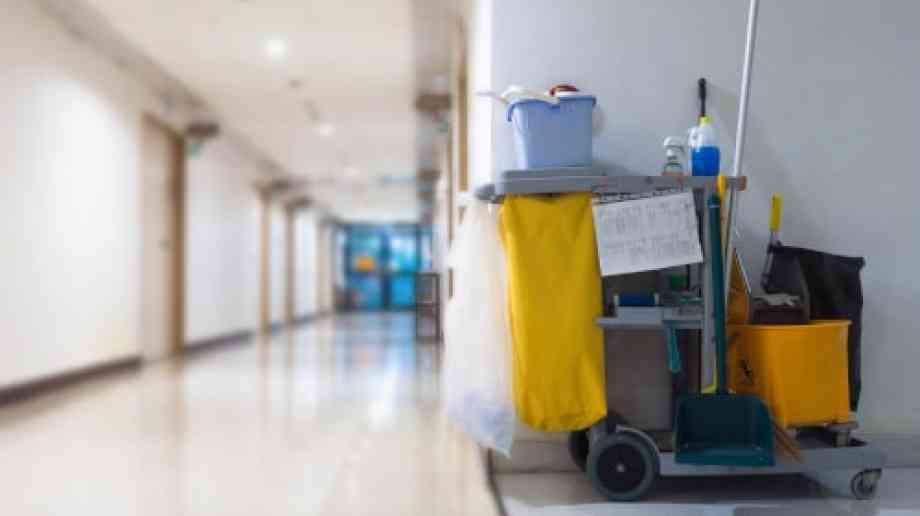
Achieving a bacteria-free hospital ward
It is a well-known fact that hospitals are some of the most potent sources of germs if they are not cared for in the appropriate manner. A perfect example of this observation can be seen in the recent emergence of MRSA and other potentially serious infections.
This is why staff and management need to take cleaning procedures very seriously. What steps should be embraced and how can these help to eliminate the risk of hospital-related illnesses?
Hand and environmental hygiene
The best approaches will embrace a proactive mindset. It is critical that all staff members regularly wash their hands and properly disinfect any surfaces that may have been exposed to potential hazards.
Common examples include laboratory instruments, door handles, railings and patient waiting areas. These locations can easily transmit germs from one individual to another, so extra precautions should always be taken.
Establish a cleaning schedule
Bacteria-free wards will only arise as the result of a team effort. All personnel must be made aware of their responsibilities. They should be positively encouraged to watch others and make certain that coworkers are adhering to the proper protocols.
If a cleaning schedule is posted, the chances of hospital-borne infections arising will be dramatically reduced. It should also be pointed out that management must also take part in such efforts. A top-down maintenance approach will ensure safety and efficiency while keeping the needs of patients in mind at all times.
Surveillance and antibiotic stewardship
Closed-circuit television systems and similar surveillance equipment can be used to monitor the condition of a hospital ward. This is why security personnel should likewise be made aware of the associated cleaning protocols. A mistake or an oversight can be quickly corrected before it represents a danger to the public (or other staff members).
This type of stewardship also helps to raise interdepartmental accountability; an excellent means to increase in-house responsibility. A healthy environment is the combined result of hard work and diligence.
The bottom line is that a bacteria-free ward is everyone's responsibility. By appreciating the risks involved and through targeted training methods, it is possible to mitigate potentially serious threats.
This is also why a checklist should be drawn up so that each worker can take an active role. An ounce of prevention can tackle even the most challenging of situations.
This article was provided by Clean Hire, supplier of floor cleaning machines.
Latest News

16/02/2024 - 12:56
Hammersmith and Fulham Council has created a new alliance intended to clean dirty air and improve residents' health.

16/02/2024 - 10:44
Two million more GP appointments a month are being delivered for patients compared to the same month before the pandemic as part of the NHS primary care access recovery plan according to new NHS data.

15/02/2024 - 10:26
The Welsh Government has provided innovation funding of £380,000 to support two projects utilising technology in domiciliary care.

15/02/2024 - 10:13
The new Scottish health secretary has met with frontline staff at Queen Elizabeth University Hospital in Glasgow.

14/02/2024 - 10:27
The North East London NHS Foundation Trust (NELFT) has appointed three new Executive Directors to the Trust Board.
Product Features

UK Building Regulations highlight toxic gas and smoke from layers of paint built up over multiple redecorations as a major cause of permanent ill health or death in a building fire.
Their concern rose with discovery the flame retardant paints most widely used paint along escape routes have been ones which to this day counter-productively use emission of heavy toxic gas to smother flames which rapidly spread along walls if layers of paint delaminate in a fire.
Supplier Profiles

Northwich’s Victoria Infirmary (VIN) Community Diagnostic Centre (CDC) has enabled more patients

Adveco, the commercial hot water specialist, announces the launch of live metering of domestic ho
Latest Features

Sarah Greenslade, public affairs and communications officer at the British Parking Association looks at some of the problems and innovations in healthcare parking

It’s easy to assume that the comms team is there to handle press enquiries and the occasional social media storm – but the reality is that strategic communications can make a measurable impact across the entire organisation, from operational to financial, when done properly


